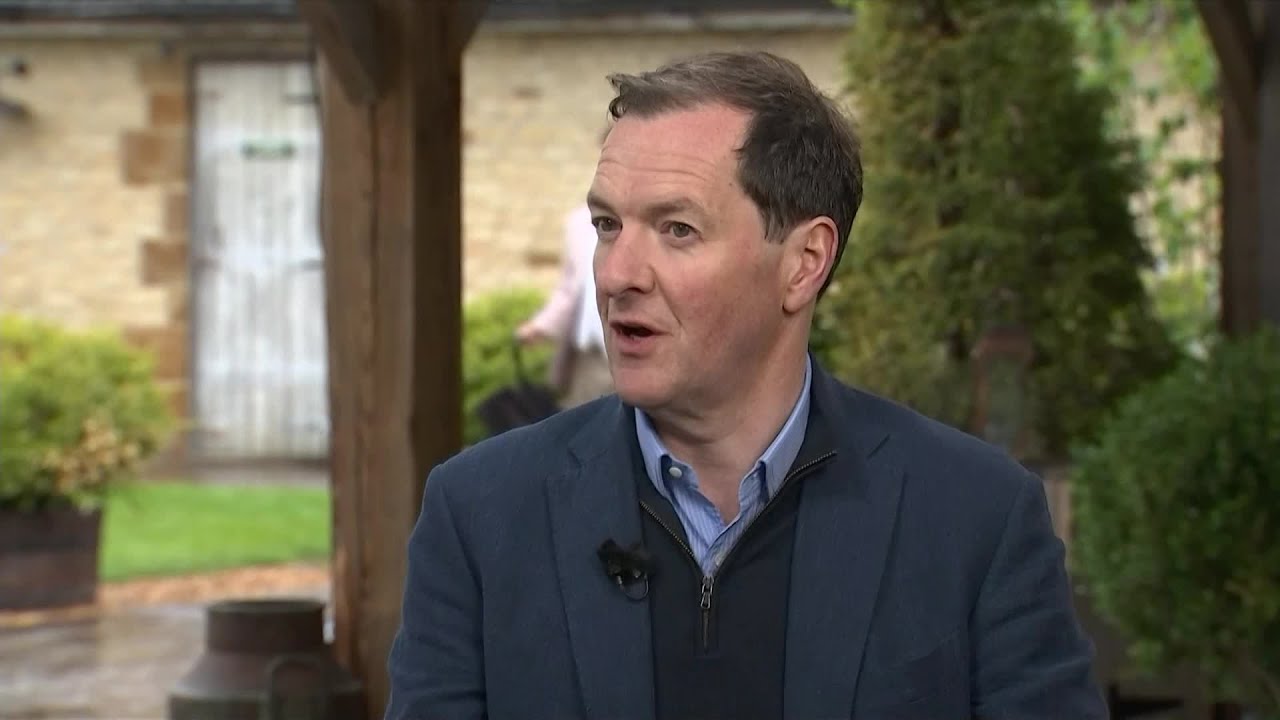
OpenAI’s Osborne highlights the evolving dynamic between governments and the private sector in adopting AI, emphasizing the importance of leveraging AI to improve public services, ensure safety, and maintain economic competitiveness while acknowledging challenges in policy, regulation, and implementation. He advocates for flexible regulatory frameworks, strong safeguards, and collaboration between governments and AI developers to responsibly harness AI’s benefits amid rapid technological advancement and significant private investment.
OpenAI’s Osborne reflects on his transition from government to working with OpenAI, highlighting the shift from government interacting with the private sector to the private sector engaging with governments. He finds the work fascinating as it involves addressing societal advancement and delivering benefits from the perspective of a frontier AI lab rather than a political office. Osborne emphasizes that governments should harness AI and technology to improve citizens’ lives and protect them, which aligns with OpenAI’s mission of helping countries adopt AI safely and productively.
When discussing government interactions, Osborne notes that while each country has unique needs, many share a common sense of urgency or “FOMO” about adopting AI. Governments recognize the necessity of AI but also grapple with policy questions about its impact and control. Examples include Malta offering advanced ChatGPT access to citizens completing AI courses and Singapore positioning itself as a hub for AI engineering. Osborne acknowledges that while some governments have ambitious plans, actual delivery and integration of AI into public services remain a challenge.
Addressing concerns about productivity gains, Osborne points out that early signs of AI-driven productivity improvements are emerging, particularly in the U.S. economy. He cites Greece’s efforts to integrate AI into rural schools as an example of successful adoption leading to better educational outcomes. Osborne believes governments that adopt AI quickly will gain significant advantages in their economies and public services, with the UK showing strong ambition to be a leading adopter in the G7, though delivery remains the key hurdle.
On regulatory and ethical issues, Osborne stresses that while OpenAI provides technology to support policymaking, decisions such as banning social media for under-16s are for governments to make. He advocates for strong age verification and safeguards within AI products to protect youth. Regarding safety and government intervention, Osborne supports the idea that governments should have the power to regulate or block AI models deemed too dangerous, but emphasizes that companies like OpenAI have rigorous internal safety checks and comply with laws. He warns against static legislation, urging flexible regulatory frameworks that can keep pace with rapidly evolving AI technology.
Finally, Osborne discusses the scale of investment in AI compared to traditional government funding, noting that private capital far exceeds what governments can provide. He highlights the importance of leveraging private sector innovation, particularly in areas like cybersecurity, where OpenAI’s models help governments protect critical infrastructure. Osborne underscores the collaborative approach OpenAI takes with democratic governments worldwide to ensure responsible AI deployment and maintain a strategic advantage over potential adversaries, reflecting a balance between innovation, safety, and public benefit.