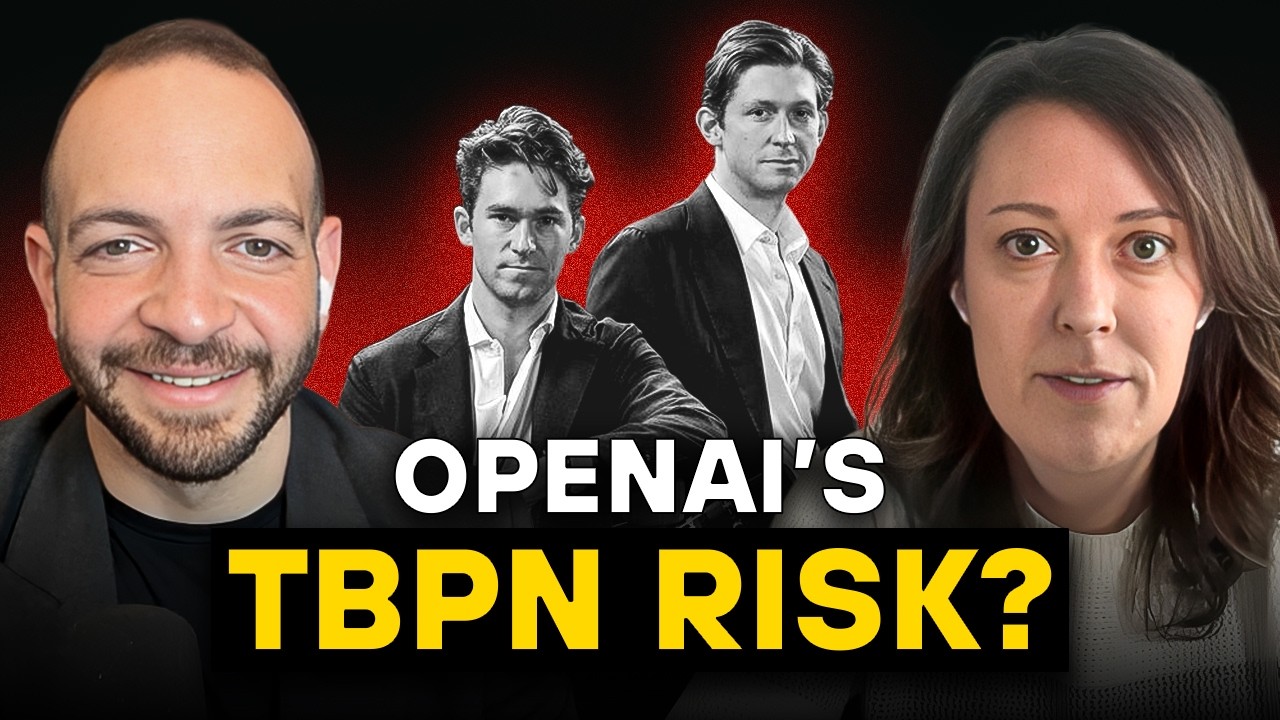
The Big Technology Podcast discusses OpenAI’s recent acquisition of the tech industry talk show TBPN, exploring whether this move will pay off. TBPN, known for its live, in-depth tech news coverage and executive interviews, has a modest but influential audience primarily within Silicon Valley. While some see the acquisition as a strategic distribution play to influence tech decision-makers, others view it as a vanity project that may compromise TBPN’s credibility due to its new ownership by OpenAI. The hosts debate whether owning a media outlet will help OpenAI address the broader public’s skepticism and fear of AI, noting that TBPN’s audience already tends to be favorable toward AI, thus limiting its impact on changing wider public perception.
The conversation then shifts to OpenAI’s internal changes, including the medical leave of Fiji Simo, head of AGI deployment, and restructuring within the executive team. The discussion highlights the challenges OpenAI faces in commercializing AI technology beyond consumer subscriptions, particularly in enterprise markets. The hosts also touch on the broader societal implications of AI, including concerns about job displacement and the emergence of a skills gap, especially among younger workers who may struggle to find employment in an AI-driven economy. They emphasize the need for society to prepare for these shifts and the potential for AI-native companies to outperform traditional tech firms.
Next, the podcast covers SpaceX’s upcoming IPO, which is expected to value the company at over $2 trillion and raise between $40 billion and $80 billion. This valuation would place SpaceX among the largest companies globally, surpassing most S&P 500 firms except for a few tech giants. The hosts discuss the implications of such a massive public offering, including the potential market impact and the possibility of SpaceX eventually merging with Tesla to consolidate Elon Musk’s business empire. They note that SpaceX’s capital-intensive operations and profitability differentiate it from many other tech startups that have remained private for extended periods.
The hosts then address recent geopolitical tensions, reporting that Iran has targeted Amazon data centers in the Gulf region, causing significant disruptions. This has led to concerns about the safety and viability of tech infrastructure investments in volatile regions like the Middle East. They discuss the challenges companies face in securing insurance for assets in conflict zones, the potential impact on future investments, and the likelihood that expatriate workers may return despite the risks due to financial incentives. The conversation underscores the complex interplay between global politics, technology infrastructure, and business strategy.
Finally, the podcast delves into the private credit market’s instability, focusing on Blue Owl’s significant investor withdrawals amid fears about the quality of loans funding AI infrastructure and tech companies. The hosts explain that these funds face liquidity challenges similar to a bank run, as investors seek to redeem shares faster than the funds can provide cash. They discuss the risks posed by loans made to tech firms based on revenue rather than profits, highlighting concerns about the sustainability of such lending practices. The episode concludes with reflections on the interconnectedness of private equity, private credit, and the broader tech economy, emphasizing the ongoing uncertainties as AI continues to reshape industries.