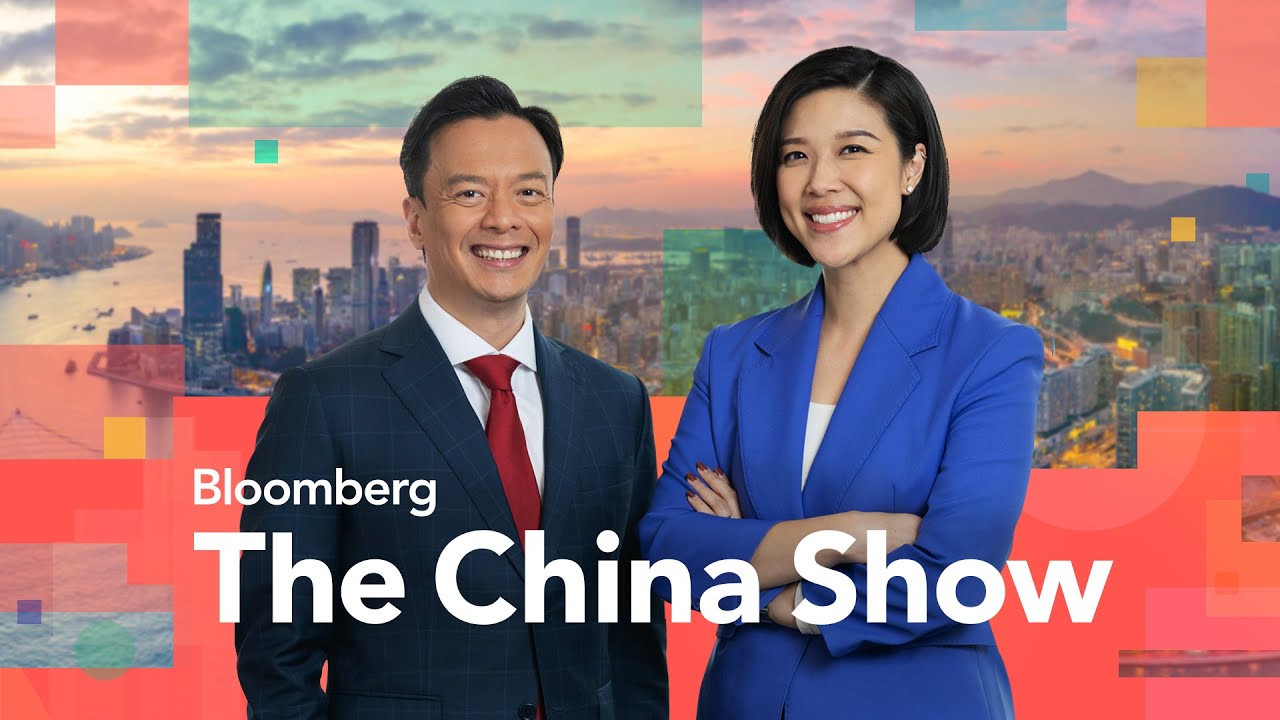
The episode of The China Show from March 11, 2026, opens with a focus on two major stories dominating headlines in China and global markets: the ongoing volatility in energy markets due to the war in Iran, and a sudden tech frenzy in China over an open-source AI program called OpenClaw. The hosts, Yvonne Man and David Ingles, discuss how conflicting messages from the Trump White House regarding the Iran conflict have led to historic levels of volatility in oil prices, with concerns about supply disruptions in the Strait of Hormuz and the potential for the largest-ever oil reserve release by the International Energy Agency (IEA). This uncertainty is causing markets to swing wildly, with investors worried about inflation and the risk of stagflation if the conflict drags on.
Amidst the geopolitical turmoil, the show highlights the remarkable surge of interest in OpenClaw, an open-source AI agent that has captured the imagination of Chinese consumers, tech companies, and local governments. OpenClaw distinguishes itself from traditional chatbots by acting autonomously: it can connect to various apps, perform tasks like managing emails and calendars, and even automate daily routines without user prompts. Major Chinese tech firms such as Tencent and Minimax have quickly adopted and integrated OpenClaw, leading to significant stock rallies and a wave of new product launches. The phenomenon has even sparked a cultural craze, with social media users donning lobster hats (a nod to the “claw” in OpenClaw) and local governments offering subsidies to encourage adoption and app development.
Despite the enthusiasm, experts and regulators are raising concerns about the security risks associated with widespread OpenClaw adoption. Because the AI agent requires access to personal data and can perform actions across multiple platforms, there are fears about data privacy and potential leaks, especially in sensitive sectors like finance and energy. Analysts warn that while the technology is driving user engagement and efficiency, the underlying business models—particularly for smaller startups—may not be sustainable due to high infrastructure costs and heavy subsidies on cloud services. The consensus is that larger tech giants with deep resources are better positioned to weather these challenges, while smaller players may struggle unless there is industry consolidation.
The episode also touches on broader economic and political developments in China. The country’s key political meetings are wrapping up, with attention turning to an upcoming summit between President Xi Jinping and Donald Trump. Chinese officials are reportedly frustrated by the lack of preparation from the U.S. side, distracted by the Middle East crisis and domestic policy shifts. Meanwhile, China’s economy is showing signs of resilience, with strong export numbers and ongoing investment in technology and infrastructure. However, concerns remain about weak employment growth, the impact of AI on factory jobs, and the slow recovery in consumer spending.
Finally, the show covers corporate news and market reactions, including strong earnings from companies like NIO and Cathay Pacific, and the potential entry of Chinese automaker BYD into Formula One racing as part of its global branding push. The hosts and guests agree that, despite short-term turbulence from geopolitical risks and tech sector hype, China’s long-term growth will be driven by continued innovation in AI, hardware, and services. The OpenClaw mania is seen as both a symbol of China’s tech ambitions and a reminder of the challenges ahead in balancing rapid adoption with security, profitability, and sustainable growth.