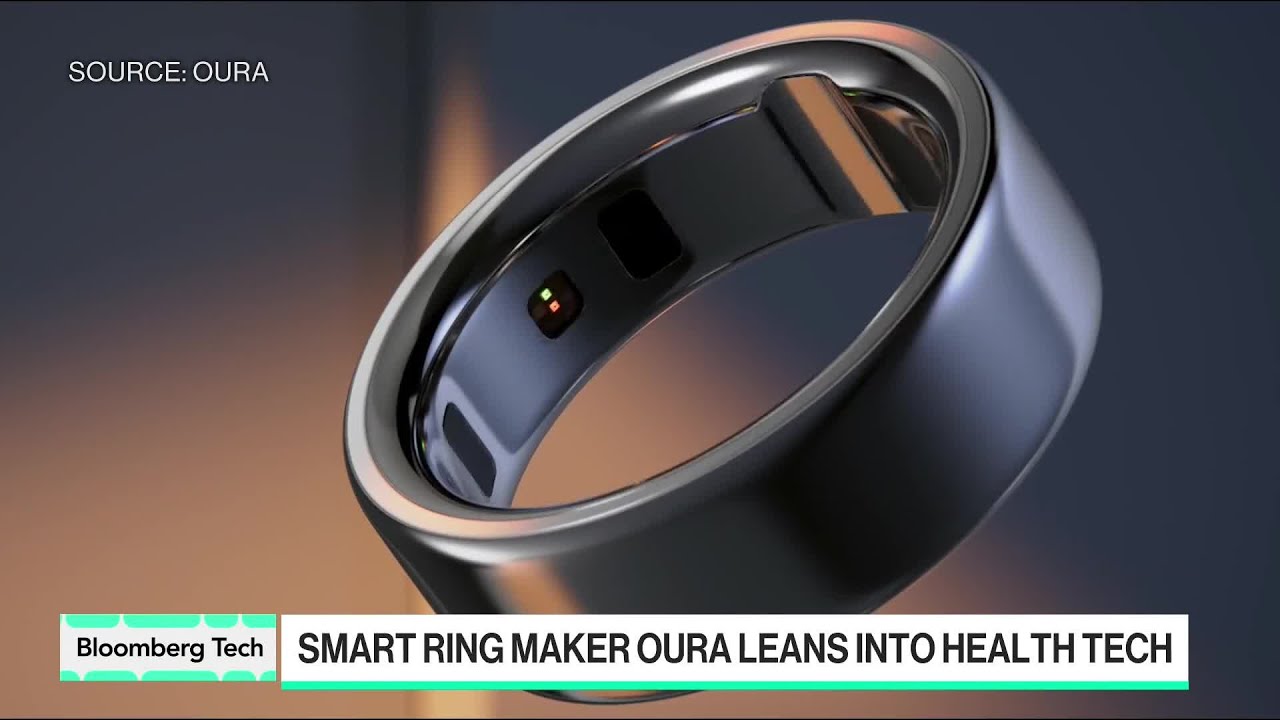
The CEO of Oura highlighted the company’s advanced use of AI for short- and long-term health predictions, ongoing efforts toward medical validation and FDA approval, and strong collaboration with Apple and its talent. Additionally, Oura’s hardware focus has attracted investor confidence amid AI-driven software disruptions, while strategic global manufacturing diversification and a new U.S. factory help mitigate supply chain and geopolitical risks.
The CEO of Oura discussed the company’s long-standing commitment to artificial intelligence, emphasizing their focus on predictive analytics rather than just assessing current health states. Oura’s AI models excel in short-term predictions, such as anticipating illness or menstrual cycles within days, with high accuracy. The company is now exploring longer-term predictions to help users understand how their behaviors can influence health outcomes and potentially reduce healthcare costs. This approach is seen as disruptive yet positive, addressing the challenge of limited healthcare access by lowering costs and providing validated, high-quality medical information.
Currently, the Oura Ring is classified as a general wellness product, but the company is actively pursuing medical validation and FDA approval to expand into clinical applications, such as blood pressure monitoring. They are conducting a large-scale blood pressure profile study involving nearly 300,000 participants to compare cuff measurements with the ring’s predictions. Until regulatory approval is secured, Oura will continue to offer insights without making formal diagnoses, maintaining compliance with FDA guidelines. Despite the FDA’s leadership changes, Oura maintains strong collaboration with the agency’s medical device division.
The CEO also addressed the relationship between Oura and Apple, noting that many Oura users also wear Apple Watches, making the products complementary rather than directly competitive. Oura has benefited from hiring top talent from Apple, particularly in health and hardware development, which has strengthened their team and fostered ongoing collaboration. The CEO highlighted his own long-term experience as an independent Apple software developer, underscoring the close ties between the companies.
Regarding talent acquisition and the impact of AI on software development, the CEO explained that Oura’s hardware focus has been advantageous amid the AI-driven software disruption. While software development faces challenges due to AI, hardware remains essential and resilient because physical components cannot be digitally created. This hardware-software integration has attracted investor confidence, leading to increased investment and a higher private market valuation for Oura.
Finally, the CEO touched on manufacturing and supply chain considerations amid inflation and geopolitical tensions. Oura has not seen significant demand impact from inflation but has experienced some supply chain cost increases. The company has strategically diversified manufacturing globally and is in the process of establishing a factory in the United States to mitigate tariff risks and enhance production resilience. This proactive approach has helped Oura navigate recent trade challenges effectively.