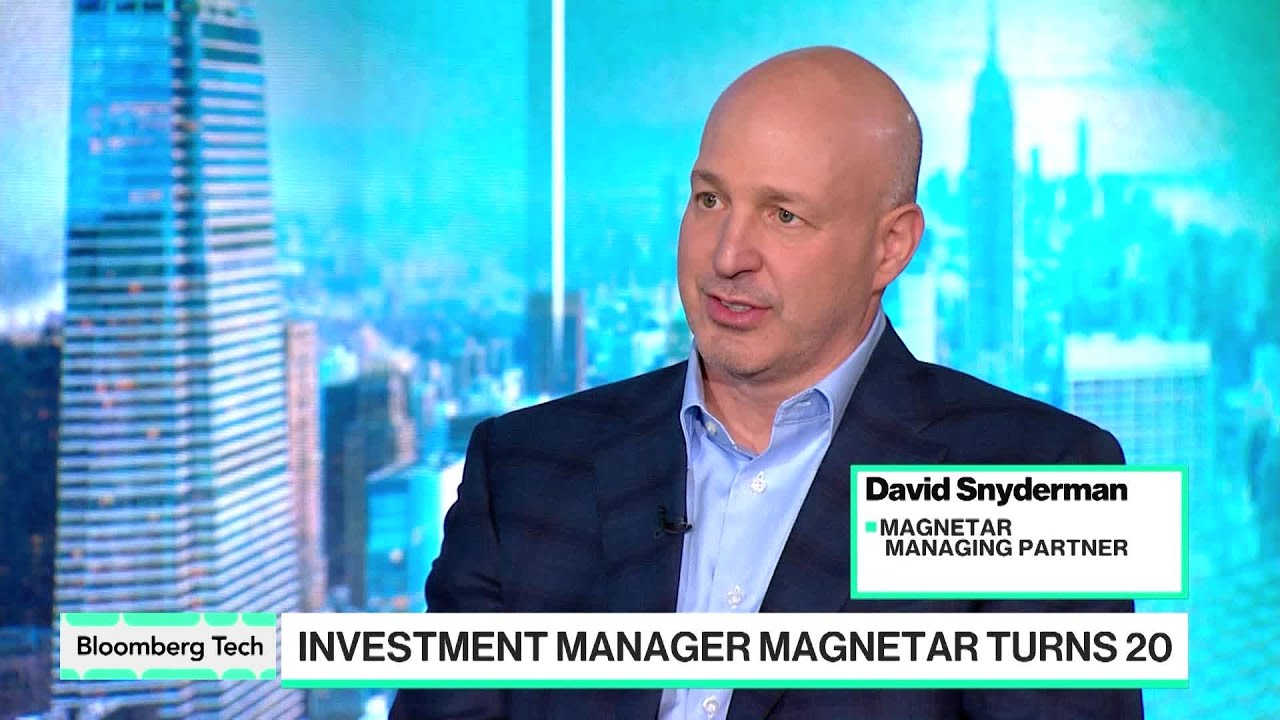
The speaker highlights the immense technical and financial challenges of scaling AI infrastructure, emphasizing the need for specialized expertise and tailored financing solutions that align with the unique asset and customer profiles of portfolio companies. Their firm focuses on being a strategic, value-added partner that optimizes capital costs and supports sustainable growth by managing customer mix and leveraging market insights in the rapidly evolving AI compute landscape.
In the discussion about AI infrastructure development and financing, the speaker emphasizes the importance of being value-added to portfolio companies. They highlight that their investment approach focuses on understanding the asset’s value and customer contracts to unlock potential value. The conversation underscores the massive scale of GPU clusters required today, moving from hundreds to potentially millions of GPUs, which presents significant challenges in skill, scale, and scarcity.
The speaker compares the technical complexity of managing AI infrastructure to driving a Formula 1 car rather than a family sedan, indicating the high level of expertise needed. Companies like Core are noted as among the few capable of handling such sophisticated operations. Despite concerns about GPU and power shortages, the primary issue is the overwhelming demand, with every company seeking more compute power to support their AI workloads.
Regarding financing, the speaker discusses how traditional private credit approaches often use a one-size-fits-all model, which does not suit the unique needs of AI infrastructure projects. Instead, their firm aims to be a strategic partner that works closely with management teams to lower the cost of capital and unlock value. This approach involves tailoring financing solutions to the specific asset and customer mix, ensuring that investments are sustainable and aligned with growth prospects.
The conversation also touches on the growing scale of cloud infrastructure projects and the involvement of legacy finance and strategic partners. The speaker notes that their firm focuses on being value-added rather than just providing capital, helping companies make informed decisions based on internal data and market insights. They express interest in emerging companies pivoting into compute, such as crypto miners transitioning to AI workloads, and highlight the importance of a diversified portfolio approach that prioritizes downside protection.
Finally, the speaker explains that lowering the cost of financing depends heavily on the mix of customers within a portfolio. Having a balance between investment-grade and non-investment-grade customers is crucial, as investment-grade customers typically grow faster and provide more stable revenue streams. By carefully managing this customer mix and asset allocation, their firm can help companies optimize financing structures and unlock long-term value, positioning them well for the rapidly evolving AI infrastructure landscape.