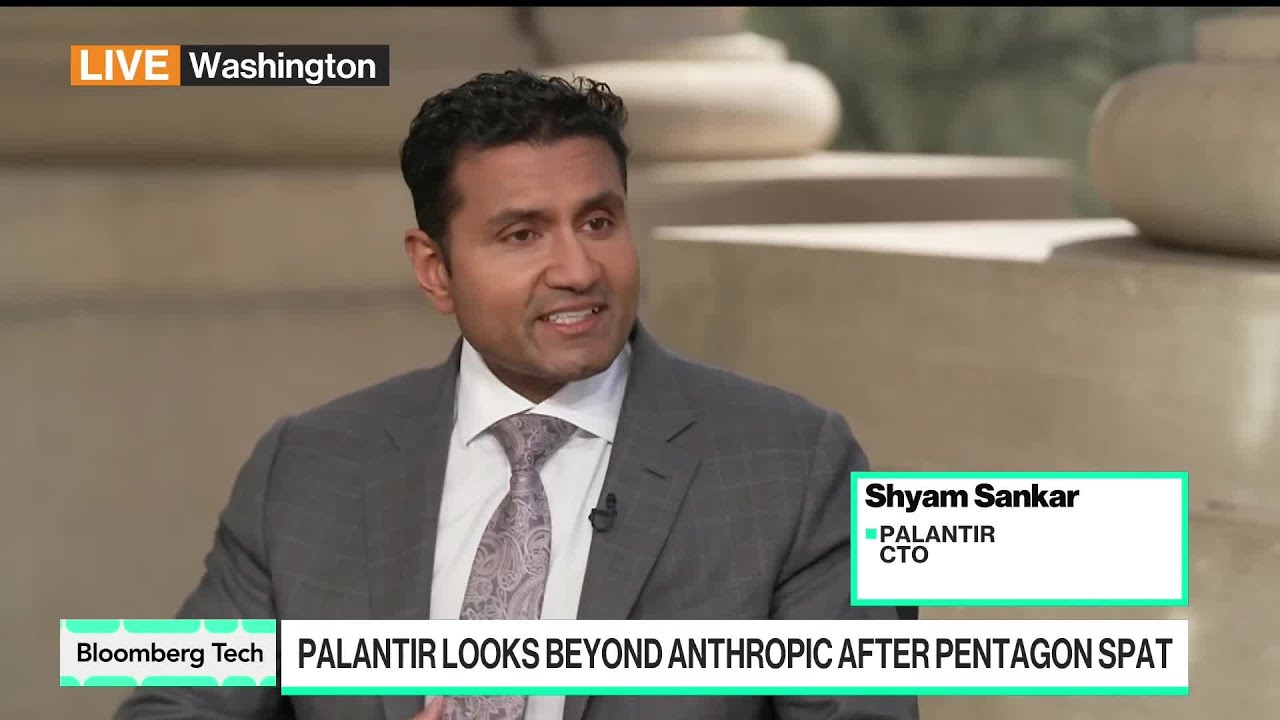
The Palantir CTO highlights AI’s transformative role in the Iran war and modern conflicts, emphasizing its ability to enhance decision-making, operational efficiency, and military targeting through collaboration with diverse AI technologies and frontline innovation. He also stresses that AI empowers workers rather than replaces them, advocates for increased national mobilization to maintain strategic advantages, and warns of the need to strengthen deterrence amid evolving global security challenges.
The Palantir CTO discusses the evolving role of AI in modern conflicts, particularly highlighting its significant impact on the ongoing war in Iran. He emphasizes that AI is transforming complex workflows and decision-making processes, enabling rapid and efficient operations that were previously time-consuming. Palantir’s approach involves working with multiple AI model providers and continuously evaluating which technologies best suit specific use cases, reflecting the dynamic nature of AI integration in both government and private sectors.
Addressing public skepticism about AI, the CTO challenges the prevalent narrative of AI as a job killer. He shares examples from industries like manufacturing, where AI has drastically reduced planning times and increased productivity, leading to job growth rather than losses. He stresses that AI should be viewed as a tool that empowers workers, enhancing their capabilities and productivity, rather than replacing them. This perspective is supported by frontline workers, such as ICU nurses, who report positive experiences with AI augmenting their work and improving outcomes.
The conversation also touches on the importance of human agency in applying AI technology. The CTO highlights the role of “forward deployed engineers” and military personnel who, without formal computer science backgrounds, are innovating and developing AI applications that directly address operational challenges. This grassroots innovation is seen as a key driver in realizing AI’s potential, enabling workers with specific knowledge to leverage AI as a powerful tool, akin to an “Iron Man suit” that amplifies their effectiveness.
Regarding military applications, the CTO points out that current combat operations represent the first large-scale use of AI to enhance targeting and operational planning. He contrasts this with past conflicts, noting that AI has dramatically increased the speed and precision of targeting processes, allowing a single operator to accomplish what previously required many people over months. This technological edge is framed as part of the U.S. military’s “third offset strategy,” aiming to maintain superiority through asymmetric advantages rather than matching adversaries symmetrically.
Finally, the CTO underscores the broader strategic implications of AI and technology in global security. He warns of a gradual erosion of deterrence over the past decade, citing various geopolitical flashpoints. To address these challenges, he advocates for a national mobilization focused on increasing production capacity, securing supply chains, and maintaining a robust stockpile of weapons. This comprehensive approach is essential to deter adversaries effectively and ensure the U.S. remains prepared for potential large-scale conflicts.