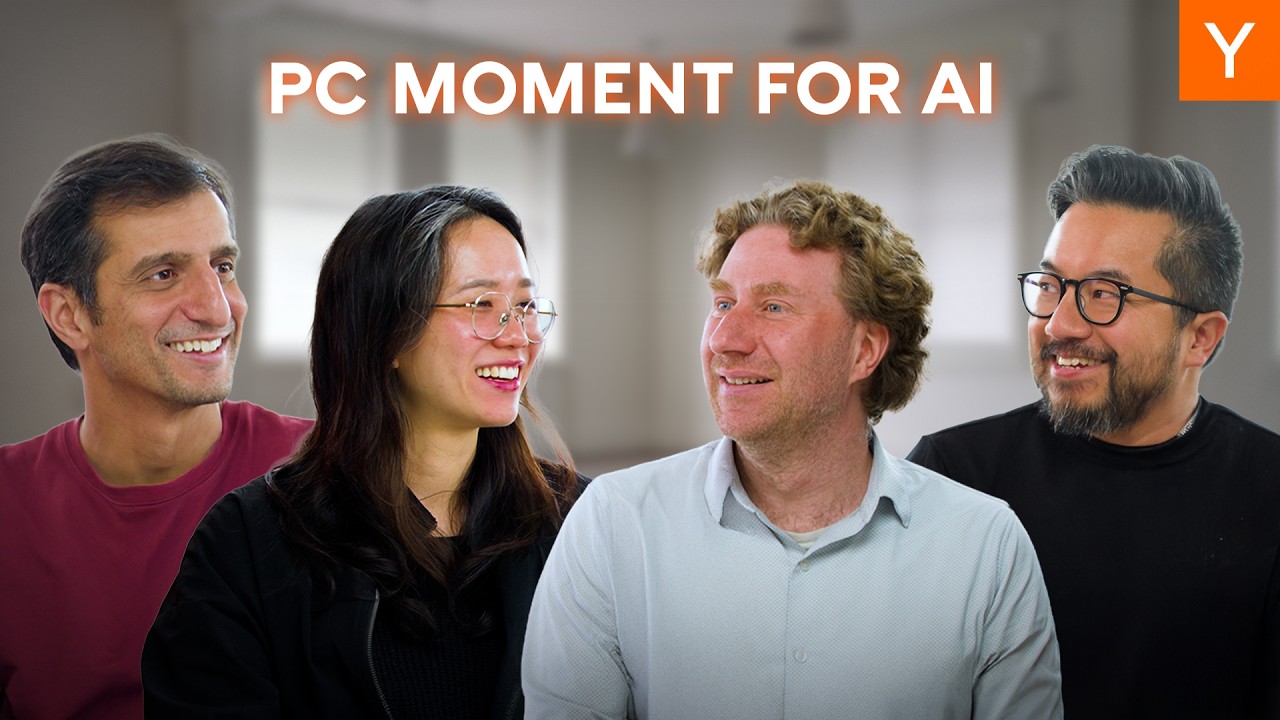
The video features Gary Tan discussing his return to building software after a long hiatus, highlighting the transformative power of personal AI tools like Claude Code and OpenClaw. Gary shares how he reignited his passion for coding by addressing a personal concern about education inequality in San Francisco, leading him to create Gary’s List—a platform that combines blogging with high-quality investigative journalism powered by AI. This project exemplifies how AI can perform complex research tasks quickly and comprehensively, far beyond what a human could achieve alone, by token-maxing—leveraging extensive data and multiple sources to produce well-rounded, deeply sourced content.
Gary then explains the evolution of his development workflow through GStack, a system he built to automate repetitive coding tasks and improve software quality. GStack incorporates AI-driven planning, design, testing, and bug detection, using tools like Claude Code and Microsoft’s Playwright to streamline development and QA processes. He emphasizes the importance of human oversight in this loop, noting that while AI can handle much of the heavy lifting, human judgment remains crucial for understanding user needs and guiding the creative process. This hybrid approach allows him to ship hundreds of thousands of lines of code efficiently, even while managing his demanding role as YC’s CEO.
A significant theme in the discussion is the concept of “token maxing,” which involves investing heavily in AI compute resources to achieve the highest quality outputs. Gary likens this to paying premium rent in San Francisco—an investment that yields outsized returns in productivity and innovation. He stresses that to fully harness AI’s potential, developers must embrace this mindset, spending generously on tokens to enable AI to perform exhaustive research, testing, and iteration. This approach not only accelerates development but also raises the bar for what individual builders can accomplish, democratizing access to powerful AI capabilities.
Gary also reflects on the broader implications of personal AI, comparing the current moment to the early days of personal computing. He envisions a future where everyone has their own AI assistant tailored to their unique needs and data, empowering individuals rather than leaving them at the mercy of opaque corporate algorithms. However, he cautions that these tools are still in a “kit car Ferrari” phase—powerful but requiring technical skill and maintenance. Users must be prepared to engage deeply with their AI, fixing issues and customizing workflows to fully benefit from the technology’s capabilities.
Finally, Gary shares personal insights about balancing his intense coding efforts with his leadership responsibilities at Y Combinator. He credits his scarcity of time as a motivator to automate and optimize his workflow, effectively becoming a “time billionaire” by leveraging machine consciousness to extend his productivity. He encourages others to adopt a similar mindset, emphasizing that the combination of human creativity and AI’s computational power can unlock unprecedented possibilities. The conversation closes on an optimistic note about the future of AI and software development, highlighting the exciting opportunities ahead for builders willing to embrace these new tools.