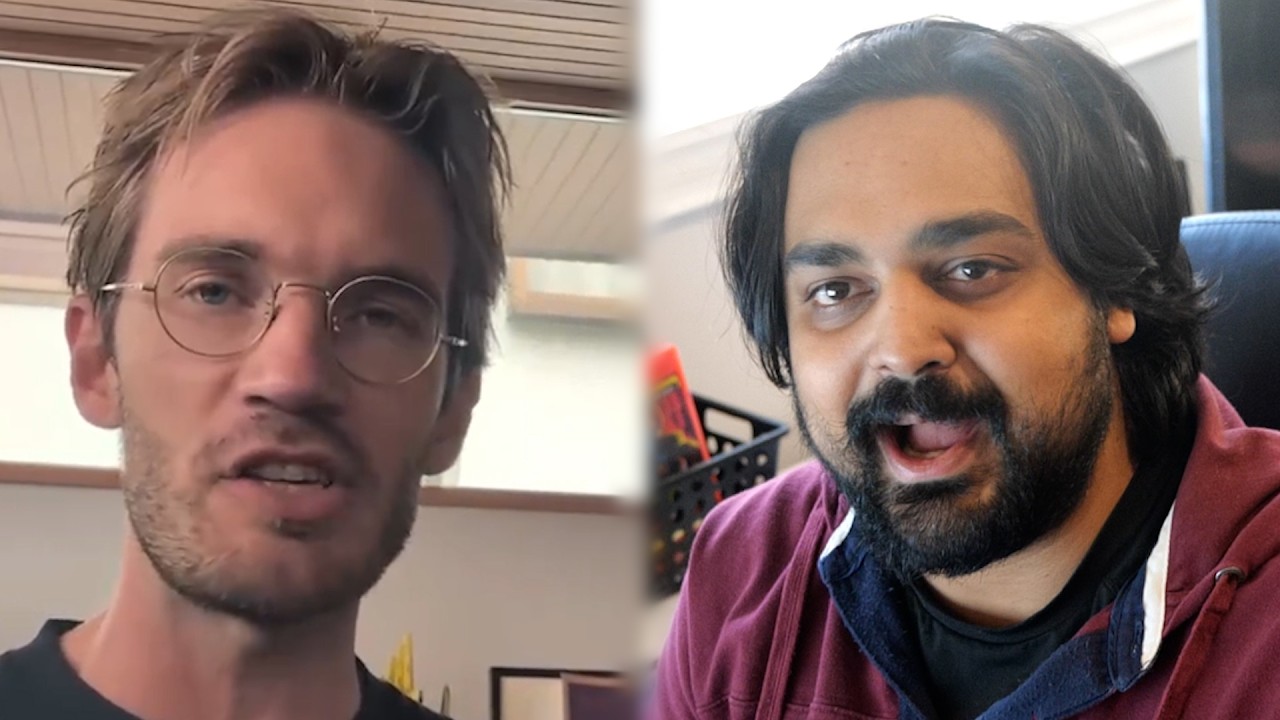
In this video, Mutahar discusses the recent news that PewDiePie, a popular internet personality, was banned from using ChatGPT due to alleged violations related to “distillation,” a process involving the extraction and fine-tuning of AI models. Mutahar expresses admiration for PewDiePie’s current focus on Linux and self-hosting AI models locally, highlighting how PewDiePie is working on projects like Odysius and Ajax, which aim to create uncensored, fine-tuned AI agents for personal use. The ban is seen as ironic because large AI companies themselves have built their models using vast amounts of data scraped from creators like PewDiePie without explicit consent.
Mutahar explains the broader context of AI training data, emphasizing that major AI labs worldwide collect and use massive datasets from platforms like YouTube, including videos, transcriptions, books, and music, often without permission. He points out that while YouTube offers a setting to opt out of data sharing, it is largely ineffective since anyone can download and use the content regardless. This creates a double standard where companies profit from using creators’ content, but when creators attempt to do similar things, such as fine-tuning models with publicly available data, they face bans and legal challenges.
The video also delves into the technical aspects of AI distillation and fine-tuning, describing how smaller, locally run models can be enhanced using reasoning traces and outputs from larger models. Mutahar highlights the benefits of running AI locally, such as privacy, control, and the ability to automate tasks without sending data to external servers. He stresses the importance of understanding the code generated by AI to avoid security risks and praises open-source models like GLM 5.3, which can rival commercial AI systems and serve as a defense against malicious activities.
Mutahar touches on the geopolitical implications of AI technology, noting that export restrictions on high-end GPUs like the RTX 5090 are designed to prevent countries like China from advancing their AI capabilities. He references recent incidents such as the hacking of HuggingFace and the use of open-weight models to counteract attacks, illustrating the ongoing competition between closed, proprietary AI systems and open-source alternatives. This competition shapes the future of AI development and accessibility.
In conclusion, Mutahar criticizes the hypocrisy of large AI companies profiting from data they did not create while punishing individuals like PewDiePie for attempting similar practices. He advocates for the use of local AI models and open-source tools as a way to reclaim control and privacy in the AI space. The video ends with Mutahar expressing amusement at PewDiePie’s ban and encouraging viewers to engage with the content.
Useful Links