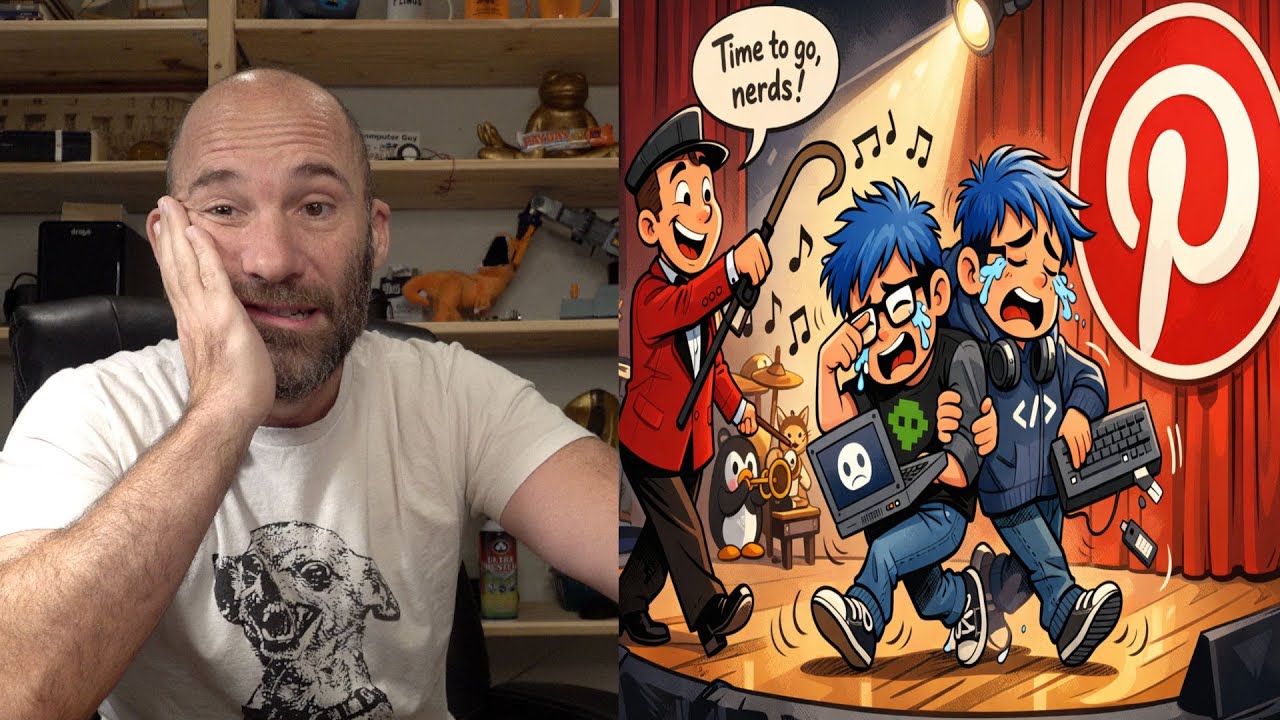
In this video, Eli the Computer Guy discusses the recent wave of layoffs in the tech industry, focusing specifically on Pinterest’s decision to lay off 15% of its workforce as part of a shift toward artificial intelligence (AI). He notes that, unlike other companies whose stock prices rose after layoffs, Pinterest’s stock actually dropped by over 9%, suggesting that investors may have expected even deeper cuts or are skeptical about the company’s AI strategy. Eli questions whether these layoffs are genuinely about reallocating resources to AI or simply a response to economic pressures like higher interest rates and the end of cheap money, which previously allowed companies to overhire.
Eli reflects on the changing culture within the tech industry, contrasting the current environment with the past. He recalls a time when being a tech professional was about solving real problems and having a tangible impact, rather than enjoying perks like nap pods and gourmet snacks. He observes that many recent tech employees were hired simply to fill seats and create the appearance of growth for investors, rather than to contribute meaningful work. Now, as companies focus on profitability and efficiency, these “seat fillers” are being let go, leading to increased dissatisfaction and anxiety among remaining employees.
The video also explores the psychological impact of these layoffs on tech workers. Eli notes a growing sense of frustration and resentment among employees, who feel trapped in jobs with diminishing prospects and little agency. He points out that many workers have become accustomed to a sense of empowerment and job mobility that is now disappearing as the job market tightens. This shift, he argues, is likely to create a toxic culture within companies, as disgruntled employees become the norm rather than the exception.
Eli questions the real value of AI in the current wave of corporate restructuring. While companies like Pinterest claim to be investing in AI to improve their products and services, he is skeptical about whether these initiatives will actually deliver meaningful results. He shares his own excitement about specific AI applications, such as AI-powered voice agents for telephone systems, but emphasizes that genuinely valuable use cases for AI remain rare. He warns that many companies may be engaging in “AI-washing”—using AI as a buzzword to justify layoffs and cost-cutting, rather than as a true driver of innovation.
Finally, Eli offers advice to tech professionals facing this uncertain landscape. He encourages them to focus on developing real, marketable skills and to be prepared for the ups and downs of the industry. He stresses the importance of adaptability and problem-solving, rather than relying on passion or perks to sustain a career. Despite the current turmoil, Eli remains optimistic about the long-term prospects for those who are willing to learn, adapt, and provide genuine value in the evolving tech ecosystem.