The PJM grid failed to secure enough power supply in its recent 2028 auction due to a price cap limiting supplier revenues, despite rising demand driven by AI and data centers. Regulators and PJM plan to revisit pricing rules to encourage new power plant investments while maintaining affordability, aiming to ensure reliable electricity without immediate blackout risks.
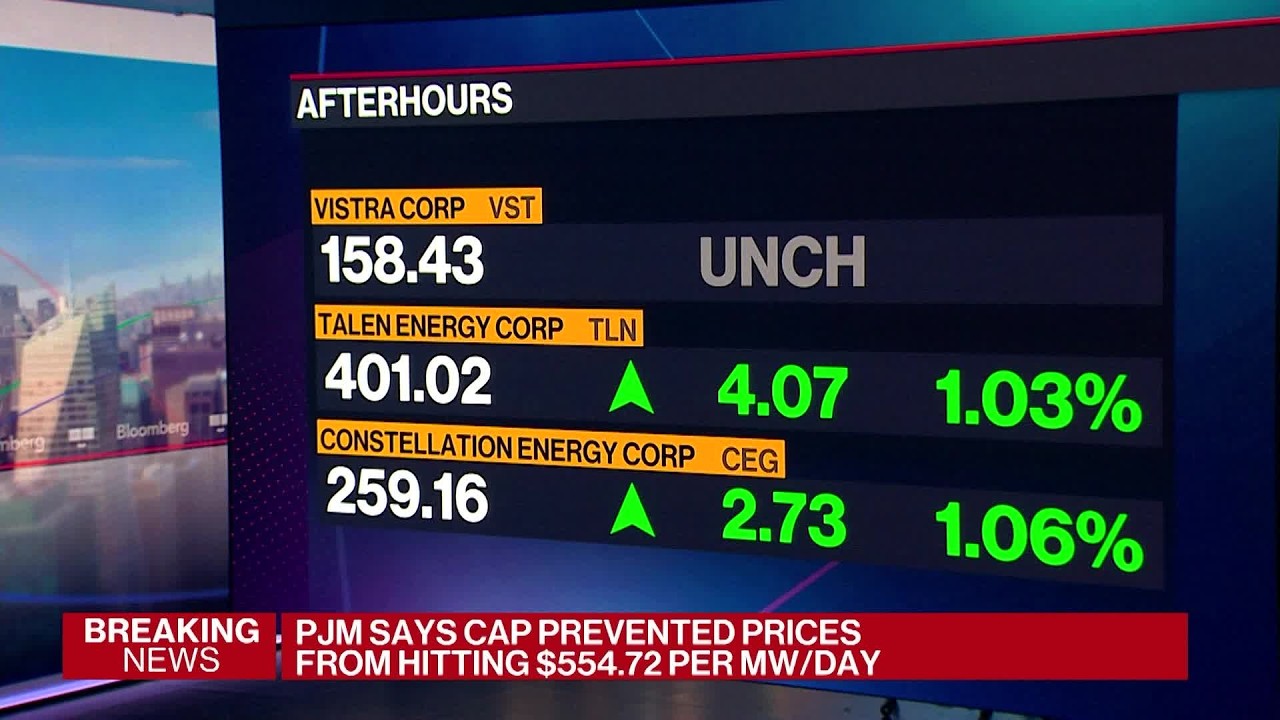
The PJM grid recently held an auction for electricity supply targeting the 2028 delivery year, but it failed to procure enough power to meet projected demand. Wholesale electricity prices have been rising due to increased demand, driven in part by the surge in AI and data center usage. However, the auction prices were capped at $325 per megawatt-day, limiting how much suppliers could charge. Without this cap, prices would have exceeded $500, reflecting the higher costs suppliers need to justify building new power plants.
This price cap has been a consistent feature in the last three auctions, creating a gap between what regulators are willing to allow and what power producers require to invest in new capacity. The mismatch means that while the grid needs more electricity to meet future demand, the current pricing structure discourages suppliers from committing to build additional power plants. As a result, PJM did not meet its power supply target in the latest auction.
The PJM grid is a critical energy corridor spanning 13 states from Chicago to Washington, D.C., serving about one in five Americans. It includes Virginia’s data center corridor, which is one of the largest clusters of data centers globally and a significant driver of electricity demand. The grid’s ability to meet future power needs is essential not only for residential consumers but also for major industries reliant on continuous, high-capacity electricity supply.
In response to the shortfall, PJM and regulators are planning a meeting to discuss potential adjustments to the rules governing electricity pricing and procurement. The goal is to find a balance that allows power producers to earn enough to justify new investments while protecting consumers from excessively high prices. This meeting is crucial for determining how the grid will evolve to meet growing demand without risking reliability.
Despite the challenges, PJM officials emphasize that there is no immediate risk of blackouts. The grid is currently at a “slightly elevated risk” level, meaning it needs additional resources but is not on the brink of failure. The situation highlights the ongoing challenge of aligning regulatory frameworks, market incentives, and infrastructure development to ensure a reliable and affordable electricity supply in the face of rapidly increasing demand.