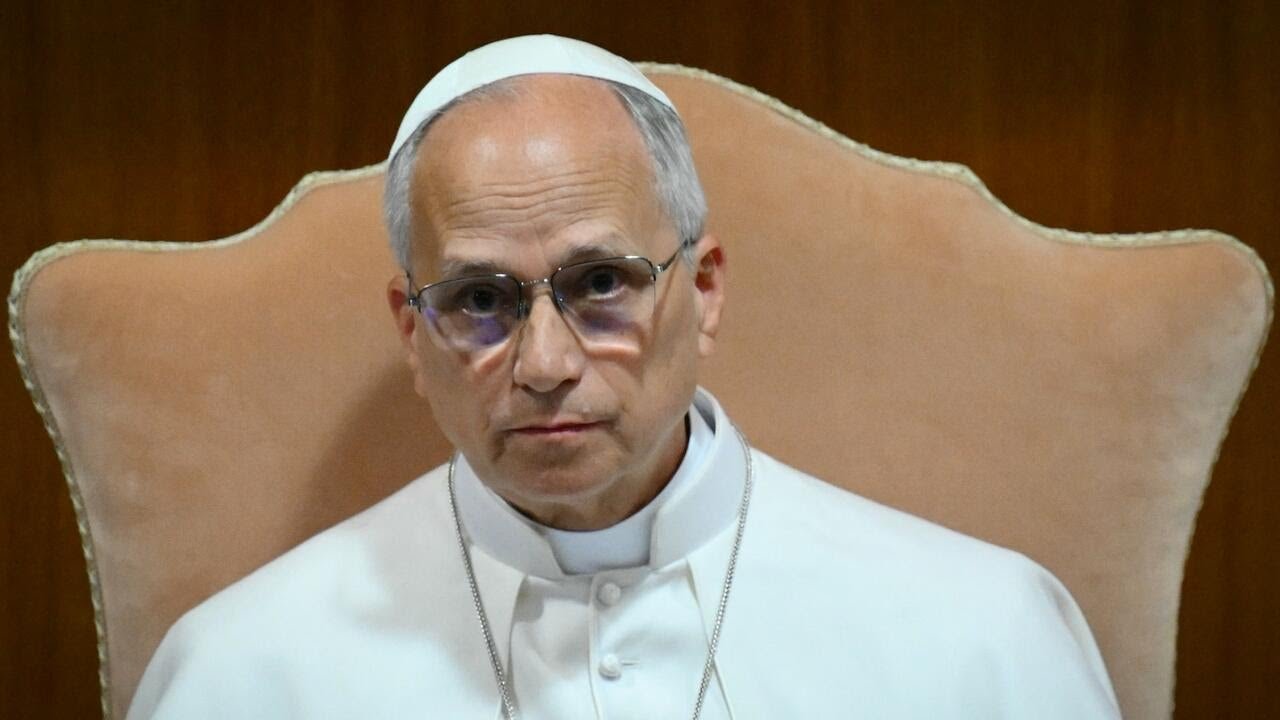
Pope Leo, in his first papal encyclical delivered personally at the Vatican, warns that while AI is a remarkable human achievement, it poses risks of dehumanization, economic inequality, and concentration of wealth, urging responsible ethical stewardship rather than rejection. Drawing parallels to the industrial revolution, he calls for society to harness AI for positive progress and genuine human connection, while also acknowledging the Church’s historical wrongs and emphasizing accountability in leadership amid transformative technologies.
Pope Leo has issued a significant warning about the use of artificial intelligence (AI) in his first papal encyclical, delivered personally at the Vatican. Drawing a parallel to the industrial revolution, the Pope, who chose the name Leo to echo a predecessor known for guiding the Church through that era, now addresses the AI revolution. He emphasizes that humanity itself is at stake, highlighting the urgency of the message by breaking tradition and presenting the teaching in person.
The Pope’s encyclical includes contributions from diverse voices, including Christopher Ole, an atheist and co-founder of the AI company Anthropic, who has publicly clashed with the Trump administration over military and surveillance uses of AI. Ole stresses that the impact of AI extends beyond the research community and must be managed responsibly for the benefit of future generations and the planet. This inclusion underscores the broad societal implications of AI technology.
Pope Leo, who holds a mathematics degree, warns that AI could dehumanize society, exacerbate economic inequality by hollowing out the middle class, and concentrate wealth among a few. However, he and Cardinal Michael Churney clarify that technology itself is not inherently evil. Instead, the Pope calls for responsible stewardship of AI, recognizing it as a remarkable human achievement that requires ethical oversight rather than outright rejection.
The Pope draws a historical analogy between the industrial revolution’s transformation of labor and capital and the current AI revolution’s potential to transform humanity itself. He poses a critical question about whether society will misuse AI or harness it for positive progress. This reflection invites a broader conversation about the ethical use of AI to enhance human connection and societal well-being rather than diminish it.
In addition to addressing AI, Pope Leo uses the occasion to apologize for the Catholic Church’s historical complicity in slavery, acknowledging it as a painful wound in Christian history. This gesture of accountability complements his broader message about responsibility and ethical leadership in the face of transformative technologies. The discussion concludes with reflections on how AI might drive people to seek more genuine human connection, a trend that could shape the future role of the Church and society at large.