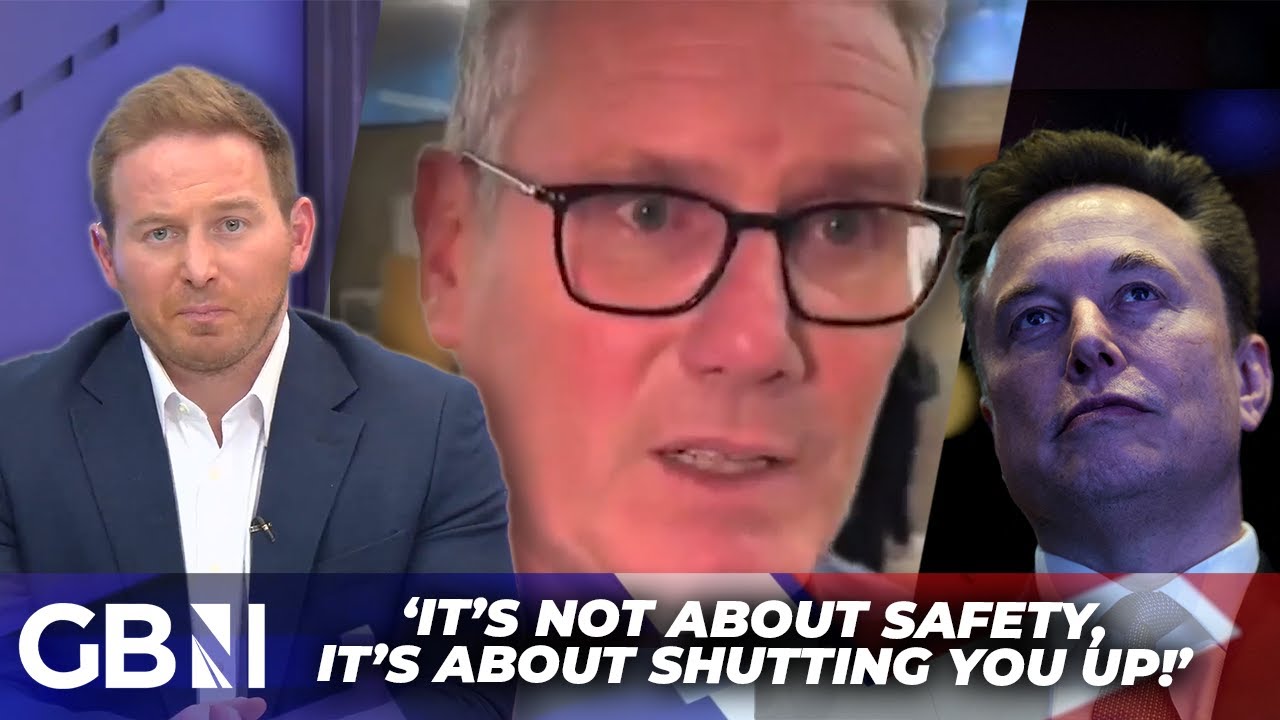
The video discusses the controversy surrounding Grok, X’s (formerly Twitter) AI tool, which has been criticized for its ability to digitally undress people in images, including women and children, creating deepfake pornography. Keir Starmer, the UK Prime Minister, responded to public outrage by condemning the technology as “disgraceful” and “unlawful,” and expressed support for Ofcom to take action against X. He insisted that all options, including potentially banning X, should be considered to address the issue. The hosts, however, question the sincerity and consistency of Starmer’s outrage, noting that similar technologies exist on other platforms like Google’s Gemini and Photoshop, yet those have not faced the same level of scrutiny.
The panelists argue that the government’s focus on X is politically motivated, suggesting that X has been targeted because it has exposed uncomfortable truths, such as the grooming gang scandals, and because Elon Musk, X’s owner, is outspoken and not aligned with the government’s interests. They claim that this is an example of “pound shop tyranny”—a cheap attempt at authoritarian control—intended to silence dissenting voices on a platform that has challenged the government. The discussion also touches on the broader issue of free speech and the dangers of government overreach under the guise of protecting children.
Despite their criticism of the government’s motives, the panelists agree that the creation and distribution of AI-generated child sexual abuse material is abhorrent and must be stopped. They acknowledge that X has responded to the controversy by restricting the problematic feature to verified, paying users, making it easier to hold offenders accountable. However, some argue that this response is insufficient and that Elon Musk has not done enough to prevent the misuse of AI for creating harmful content, especially involving children.
The conversation also highlights the inconsistency in how different platforms are treated. The hosts point out that deepfake technology and image manipulation have existed for years on platforms like Facebook, Instagram, and TikTok, yet these companies have not faced the same public or governmental backlash. They suggest that the left’s criticism of Musk and X is driven more by political animosity than genuine concern for safety, especially since other tech leaders have not been similarly targeted despite offering comparable tools.
In conclusion, the panel expresses concern that the government’s threat to ban X is less about protecting people from AI-generated abuse and more about controlling free speech and silencing political opposition. They warn that such actions set a dangerous precedent for censorship and government control, even as they acknowledge the real harm caused by deepfake pornography, particularly to women and children. The discussion ends with a recognition that both the protection of vulnerable individuals and the preservation of free speech are important, and that the current approach risks undermining both.