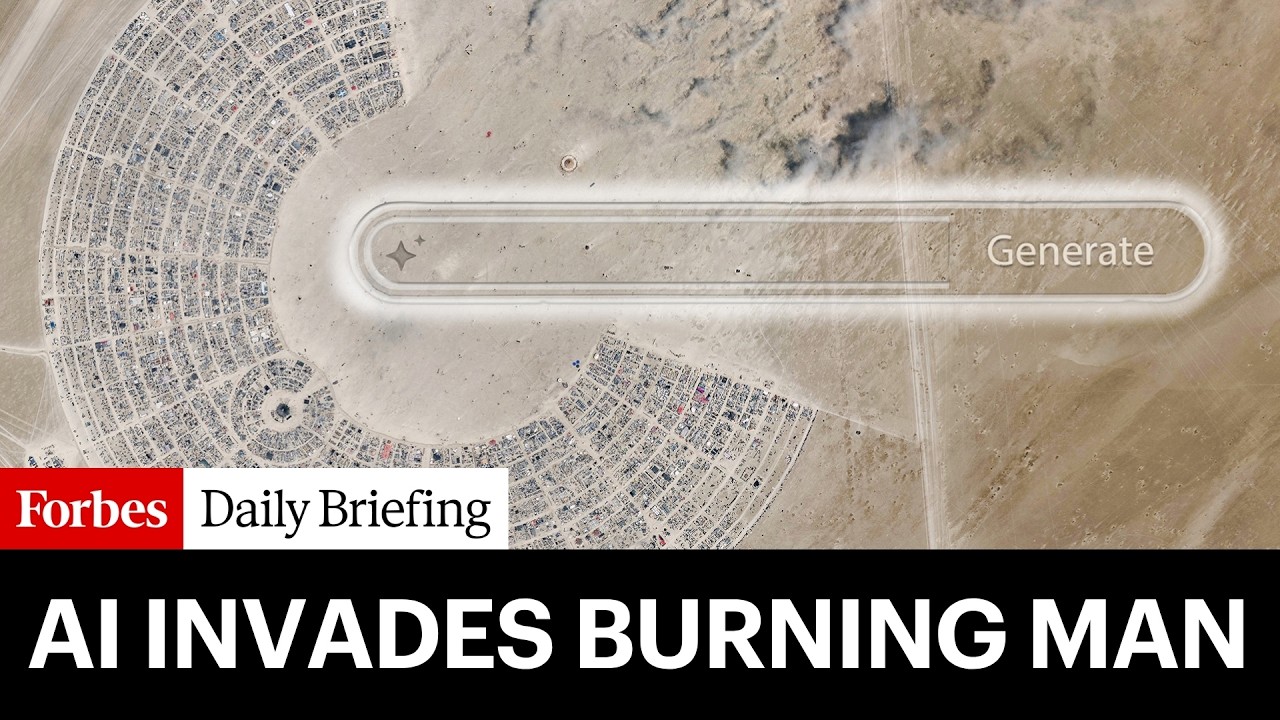
Burning Man, the iconic desert festival known for its radical self-reliance and DIY culture, is facing a new cultural clash as generative AI technology begins to infiltrate its creative landscape. For decades, the event has grappled with the influence of Silicon Valley’s wealth and technology, from luxury camps and satellite internet to professional services that challenge the festival’s foundational ethos. Now, AI-generated art and digital flyers created with AI prompts have sparked debate among participants, with some viewing these tools as innovative aids and others condemning them as a dilution of the event’s handmade, experimental spirit.
Rowan Larkin, a burner known as Jolly Rancher, noticed an influx of AI-generated digital flyers in the lead-up to a regional Burning Man event called the Portal Burn. She found the synthetic aesthetics—warped typography and overly polished designs—antithetical to the festival’s creative process, which values trial, error, and personal artistic struggle. In response, Larkin created an interactive art installation that highlighted the ethical and environmental concerns surrounding AI, including intellectual property theft, energy consumption, and cognitive impacts. Her installation resonated deeply with attendees, many of whom shared her apprehensions about AI’s growing presence.
Burning Man’s complex relationship with technology and wealth has long been a source of tension. The festival, which began in 1986 on San Francisco’s Baker Beach and now draws 70,000 participants to Nevada’s desert, has seen tech billionaires and their luxury camps become part of its fabric. The introduction of AI is the latest flashpoint, dividing the community along familiar lines between those who embrace technological innovation and those who fear it undermines the event’s core values. Critics argue that AI-generated content lacks authenticity and effort, reducing the creative experience to low-effort, homogenized output.
The Burning Man organization has taken a cautious approach to AI, neither banning AI-generated art nor fully endorsing it. Artists seeking grant funding must disclose AI use, reflecting concerns about the potential for AI to produce repetitive and uninspired work. Katie Hazard, the Director of Art at Burning Man, acknowledges that AI could democratize art creation for those lacking resources or skills but warns of the risk of losing the festival’s unique artistic diversity and depth.
Supporters of AI at Burning Man see it as a new frontier for creativity and community engagement. Kim Carson, an AI strategy consultant, is bringing an interactive AI art installation called the Portal of Collective Imagination to the festival. This piece uses localized AI models to transform visitors’ spoken hopes into digital stars, fostering a shared emotional experience without relying on internet connectivity. Carson emphasizes the intertwined evolution of Burning Man and Silicon Valley, viewing the festival as an ideal space to experiment with technology while maintaining its spirit of innovation and connection.