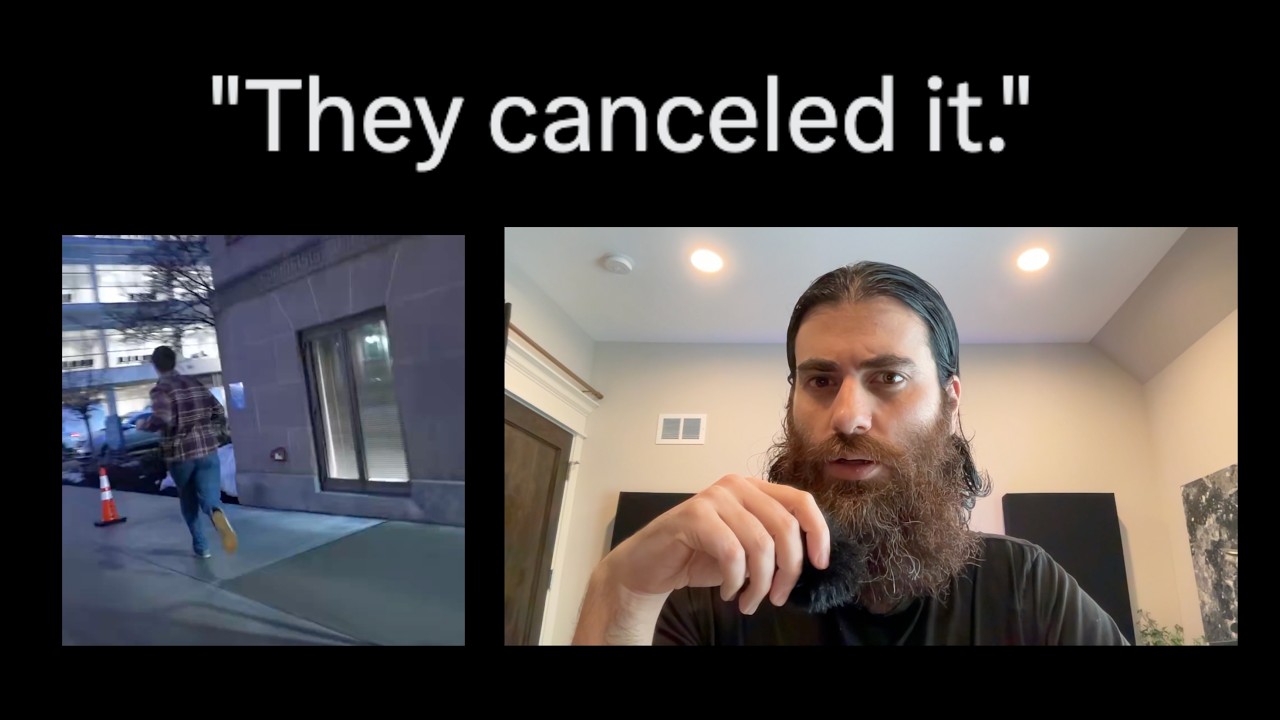
The speaker reflects on their changing perspective toward protests against AI, now sympathizing with demonstrators after witnessing successful resistance to a new data center and recognizing tech leaders’ failure to address public concerns about AI’s societal impact. They argue that until the tech industry develops a more human-centered and responsible narrative, public backlash and justified protests will likely continue.
The speaker begins by reflecting on their initial skepticism toward protests against technology, often viewing such actions as conservative resistance to progress. However, recent events have shifted their perspective, particularly protests that successfully halted the construction of a new data center. The speaker describes viral tweets and emotional reactions from community members celebrating the cancellation, highlighting a growing movement against unchecked technological expansion, especially in the context of artificial intelligence.
The speaker admits to previously dismissing these protesters as simple-minded or anti-progress, believing that technology would ultimately benefit society by reducing labor and improving lives. However, they now express empathy for the protesters, especially given the rhetoric from tech leaders like Sam Altman and Dario Amodei, who openly discuss the potentially destructive impact of advanced AI on the middle and working classes. The speaker questions whether society should simply accept these risks without resistance.
Referencing an essay by a writer named Will, the speaker notes that the technology industry has failed to provide a compelling, moral justification for its existence and rapid innovation. Will argues that if this failure continues, public backlash could escalate, leading to increased regulation, taxation, or even the decline of the tech sector. The essay suggests that innovation is essential for societal progress, but the industry’s inability to communicate this effectively has left it vulnerable to opposition.
The speaker finds themselves philosophically aligned with the protesters, at least until the tech industry develops a more human-centered narrative around AI. They criticize tech CEOs for dehumanizing attitudes and for failing to address legitimate public concerns about the societal impact of AI. The speaker believes that incidents like the data center protest are justified responses to the industry’s shortcomings and hopes they will prompt tech leaders to reconsider their approach.
Despite their concerns, the speaker acknowledges that AI development is likely unstoppable and cannot be reversed. They advocate for open-source AI as a way to democratize the technology and reduce the power of large corporations. Ultimately, the speaker’s frustration stems from the lack of positive, pro-human narratives about AI, and they urge the tech industry to take responsibility for its messaging and impact before public distrust grows even further.