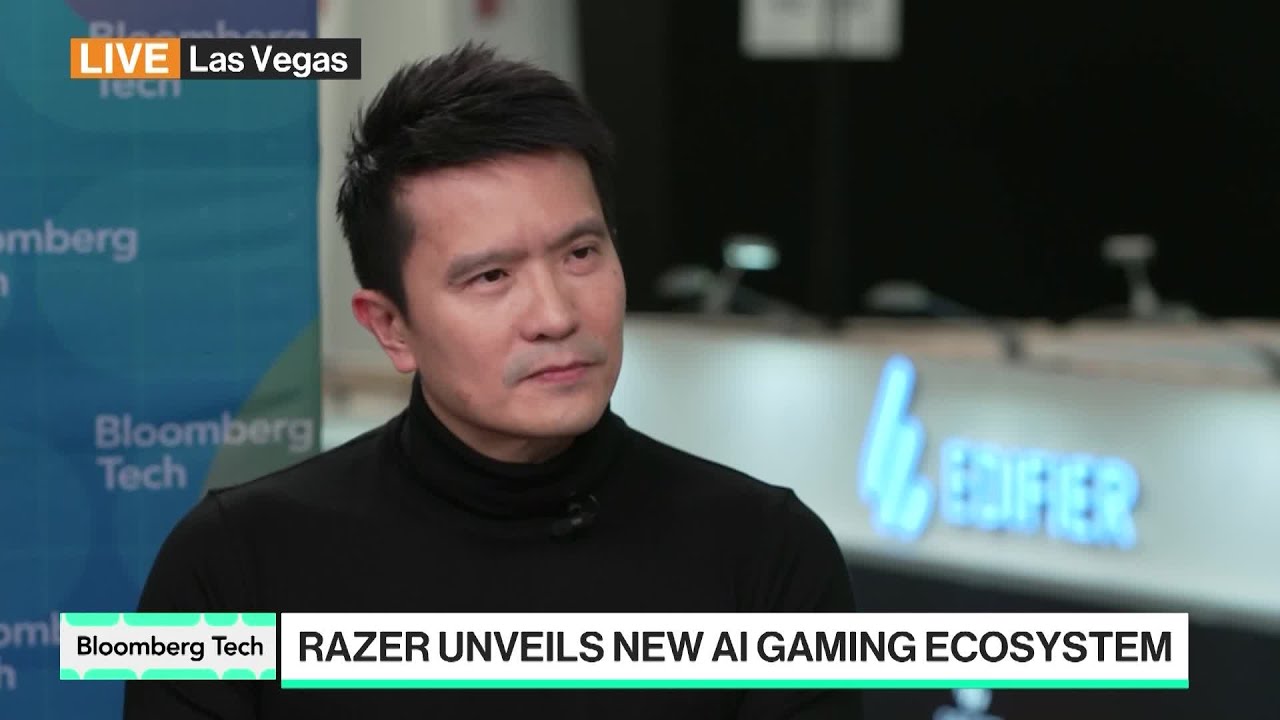
Razer, traditionally known for its gaming hardware such as seats, headphones, and mice, is positioning itself as a broader ecosystem for gamers and beyond. The company has built a significant platform with over 150 million users and 70,000 developers, as well as one of the largest payment networks in gaming. Over the years, Razer has been investing in artificial intelligence (AI), believing that AI will fundamentally disrupt and enhance the gaming experience. Their focus extends to providing tools for both developers and gamers, aiming to create a more immersive and innovative environment.
A highlight of Razer’s AI-driven product lineup is Project Motoko, which was unveiled at CES. Unlike smart glasses, Project Motoko leverages the universal form factor of headphones, a device already widely adopted globally. These AI-enabled headphones feature dual 4K cameras and five microphones, allowing for advanced vision and audio capabilities. The device is designed to work seamlessly with various AI models and assistants, making it accessible not just to gamers but to a broader audience seeking smart, wearable technology for everyday use.
Razer sees gaming as a leading force in technological innovation, often setting trends that later become mainstream. The company expects that gamers will be the first to adopt these new AI-powered devices, with wider adoption following in other sectors. The innovation in gaming hardware and software is anticipated to spill over into general consumer technology, further expanding Razer’s reach and influence.
The company is investing $600 million into research and development, talent acquisition, and computing resources to advance its AI initiatives. This investment supports the development of internal tools, hiring of scientists, and the creation of multimodal AI solutions. Razer is particularly focused on enhancing the gaming industry, providing tools that help developers create better games and offering gamers more immersive experiences through integrated hardware, software, and services.
Addressing concerns about AI in gaming, Razer emphasizes that its goal is to complement, not replace, the creative process. Tools like the QE Companion are designed to help developers streamline quality assurance and reduce costs, allowing them to focus more on creativity. Razer believes that all future games will incorporate some level of AI to improve workflows and game quality. As a global company with dual headquarters in the US and Singapore, Razer has managed to maintain a robust supply chain, shipping products worldwide and adapting to ongoing challenges in the global market.