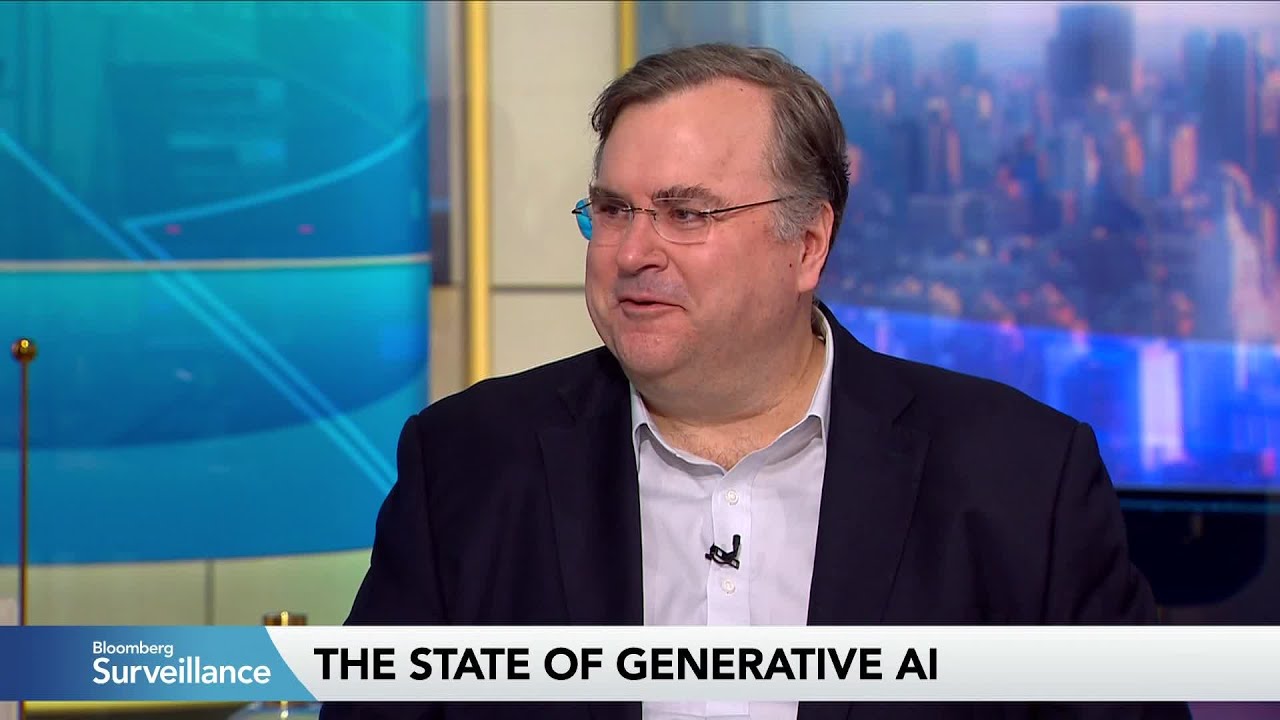
Reid Hoffman discussed the transformative potential of AI, highlighting its ability to enhance human capabilities while also addressing concerns about biases and the need for empathetic interactions in AI systems. He emphasized the importance of collaboration between tech companies and the government to ensure safe AI development and regulation, while also acknowledging the evolving job landscape and the emergence of new AI startups.
In a recent discussion, Reid Hoffman addressed the potential benefits and challenges of artificial intelligence (AI) advancements. He emphasized that AI could provide individuals with “superpowers” in various aspects of life, such as decision-making, medical advice, and interpersonal communication. Hoffman encouraged people to leverage AI tools to enhance their learning and problem-solving capabilities, suggesting that these technologies can significantly elevate human agency when used effectively.
Hoffman acknowledged concerns regarding biases in AI algorithms and the limitations of current AI systems, particularly in understanding social nuances. He highlighted that major tech companies are actively working to address these biases and improve AI’s emotional intelligence (EQ) alongside its cognitive abilities (IQ). This dual focus aims to create AI systems that can interact with users in a more empathetic and understanding manner, which is crucial for applications in fields like healthcare and education.
The conversation also touched on the implications of AI in the hands of adversaries, such as terrorists or rogue states. Hoffman stressed the importance of security measures and “red teaming” strategies to mitigate risks associated with AI misuse. He advocated for a collaborative approach among governments and tech companies to ensure that AI development is safe and beneficial for society, emphasizing the need for ongoing dialogue and cooperation.
Regarding the role of the U.S. government in AI regulation, Hoffman suggested that the administration should continue previous efforts to establish frameworks for AI safety and governance. He expressed optimism about the potential for tech leaders to contribute positively to government initiatives, arguing that collaboration between the tech industry and government can lead to better outcomes for citizens. This partnership is essential for navigating the complexities of AI technology and its societal impacts.
Finally, Hoffman reflected on the future of AI and its potential to revolutionize various industries. He noted that while some jobs may evolve or diminish due to AI, roles requiring empathy and human interaction will remain vital. He also mentioned the emergence of new startups in the AI space and the ongoing development of tools that could enhance productivity, such as software engineering assistants. Hoffman’s insights suggest a future where AI not only complements human capabilities but also drives significant advancements in fields like healthcare and technology.