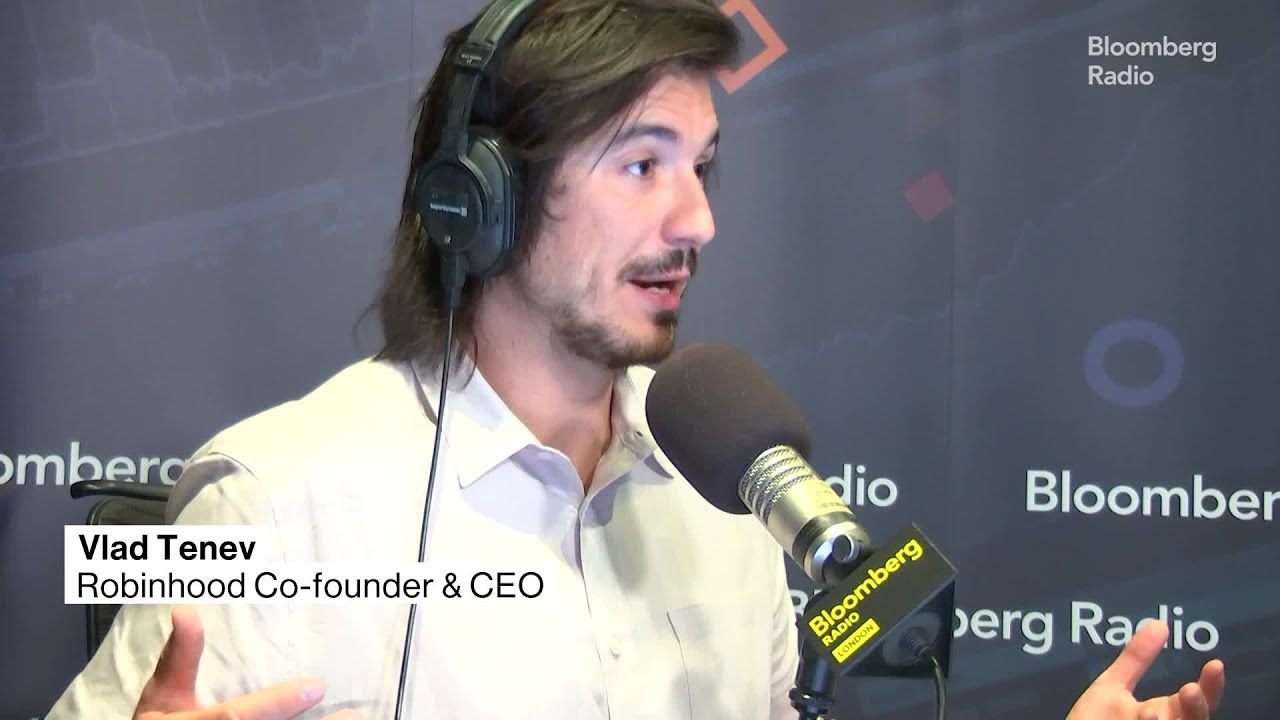
The Robinhood CEO highlights the challenges and opportunities in expanding pension participation and retail investing in the UK, emphasizing the company’s strategy of offering low-cost, equity-focused products to empower investors and differentiate from competitors. He also underscores the importance of transparency in diverse investment offerings and shares his commitment to philanthropy through initiatives like the US “Trust Accounts” program that promotes early equity ownership.
The Robinhood CEO discusses the landscape of pension wealth in the UK, highlighting that the top 10% of pension investors hold a significant majority of private pension wealth, while about a third of the population lacks any pension at all. He emphasizes the importance of choice for investors and expresses caution about mandating investment in UK assets, suggesting that incentives rather than strict mandates would better support revitalizing UK markets like the London Stock Exchange. He acknowledges the potential of employer-sponsored pension schemes, similar to the US 401(k), to boost participation and savings.
Regarding Robinhood’s presence in the UK, the CEO notes that while the company has been successful in the US with nearly 30 million funded accounts, its UK operations are still in an earlier growth phase with about one million accounts outside the US. He attributes the slower uptake in the UK to the market’s maturity and investor preferences, such as a traditional focus on property and cash savings over stocks. However, he remains optimistic about accelerating growth and increasing market share by offering better products at lower prices, consistent with Robinhood’s strategy of entering established markets.
The CEO addresses competition from US banks and other fintech players entering the UK and European markets, asserting that Robinhood’s unique value proposition lies in promoting ownership and equity participation. He differentiates Robinhood from neo banks and brokers by focusing on empowering retail investors to own equities, which he believes is not adequately addressed by competitors. This focus on ownership underpins Robinhood’s approach to building customer loyalty and expanding its user base.
On regulatory concerns, especially regarding offering a range of investment products from low-risk index funds to higher-risk options like crypto and prediction markets within one app, the CEO stresses the importance of clear communication and transparency. He highlights Robinhood’s efforts to educate customers about the different regulatory protections applicable to various products, such as the lack of FDIC insurance for crypto-related offerings. He argues that having diverse products in one app is not inherently risky, given modern users’ familiarity with navigating multiple financial services on their devices.
Finally, the CEO touches on philanthropy, noting that much of his wealth is tied up in Robinhood shares, which complicates large-scale giving at this stage. Nonetheless, he is passionate about the “Trust Accounts” initiative in the US, which creates brokerage accounts for newborns funded initially by the Treasury and supported by corporate philanthropy. This program aims to promote early equity ownership and serve as a philanthropic vehicle, making it easier for individuals and companies to contribute and help build long-term wealth for future generations.