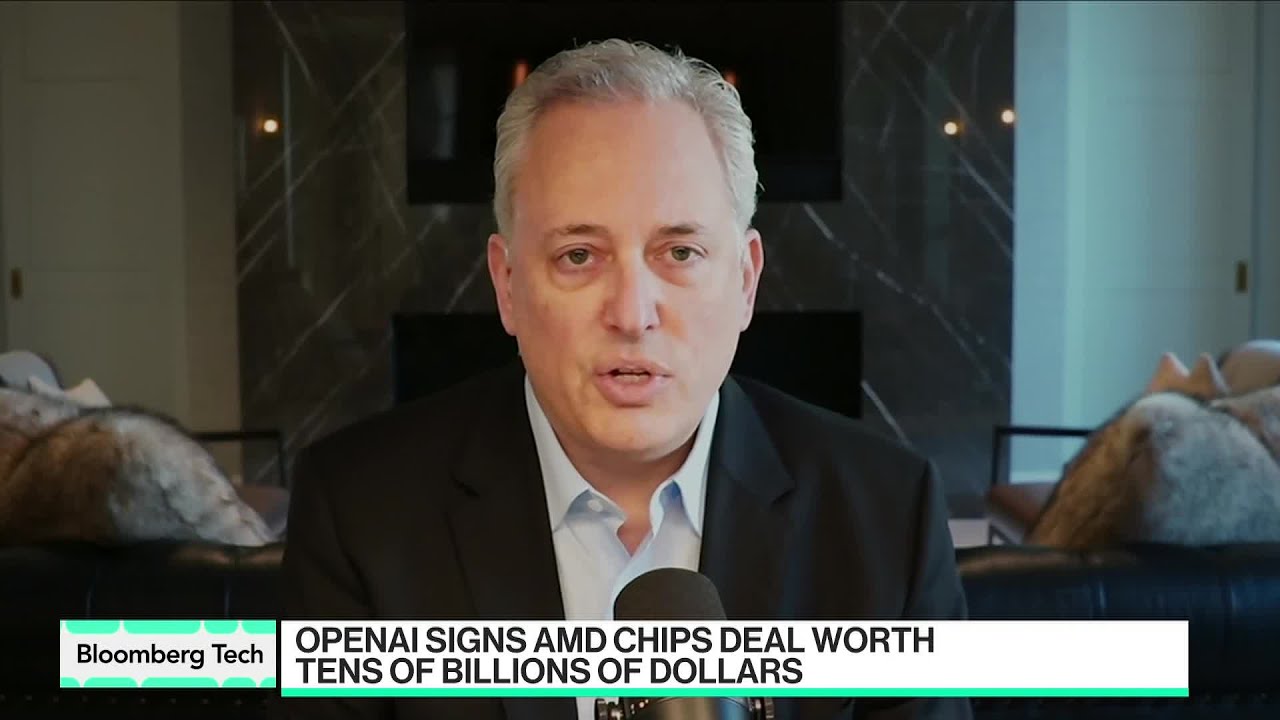
In the discussion, David highlights the ongoing AI boom and the competitive landscape among leading model companies and chip manufacturers. He credits pro-innovation, pro-export, and pro-AI policies, particularly those under President Trump, for driving significant economic growth, including a 3.8% GDP increase in the second quarter. The collaboration between AMD, a US chipmaker, and OpenAI, a frontier AI model company, exemplifies the dynamic and competitive nature of the AI market, which continues to push businesses to new heights.
David emphasizes the importance of energy infrastructure in supporting the AI industry’s growth. He praises President Trump’s energy policies, including support for increased power generation through various means such as oil, gas, nuclear, and behind-the-meter power generation by companies themselves. This energy availability is crucial for scaling AI capabilities, which require substantial power, and is a foundational element for sustaining the AI boom.
Regarding US-China relations in AI technology exports, David identifies himself as a China hawk, advocating for the US to win the global AI race. He stresses the strategic importance of maintaining American dominance in AI technology and infrastructure, warning against allowing China to gain significant market share. He argues that restricting exports to certain countries, like resource-rich Gulf states, was a mistake in previous administrations because it pushed those countries toward adopting Chinese technology, thereby strengthening China’s position.
David discusses the nuanced debate over exporting AI chips to China, suggesting a middle ground where the US sells China deprecated or less advanced chips rather than the latest technology. This approach aims to prevent China from gaining too much advantage while avoiding accelerating their push for technological independence. He notes that the Biden administration approved exports of certain chips to China, continuing a policy that began under Trump, albeit with licensing and surcharges, highlighting the complexity of balancing national security with market dynamics.
Finally, David addresses the role of talent in the AI race, acknowledging that many top AI researchers come from China. He supports some level of openness to working with this talent and allowing access to American technology to maintain a competitive edge. He defends Nvidia CEO Jensen Huang, who spoke about the importance of talent and collaboration, urging critics to recognize Huang’s and Nvidia’s significant contributions to America’s AI leadership. David calls for a balanced and strategic approach to winning the AI race, combining innovation, infrastructure, energy, and global market engagement.