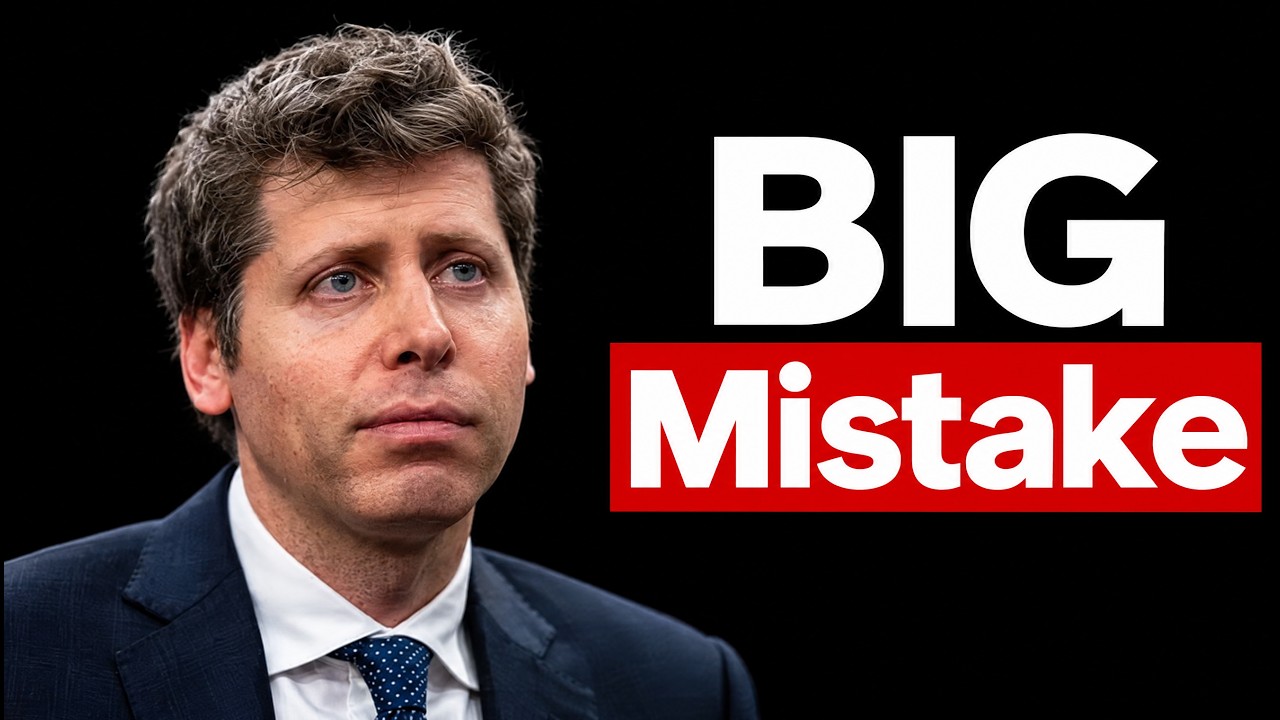
The recent controversy surrounding Sam Altman, CEO of OpenAI, stems from a 15-second clip where he comments on the inefficiency of having memory (DRAM) sitting idle in personal computers, arguing that it is better utilized in cloud data centers. This clip was widely shared and taken out of context, sparking outrage as many interpreted it as Altman suggesting people shouldn’t own their own computers. However, the full conversation reveals that Altman was discussing the global shortage of memory caused in part by AI demand and explaining why local AI inference on personal devices is less efficient compared to centralized cloud usage. His main point was about maximizing the use of scarce resources, not about denying people ownership of computers.
The broader context of the discussion highlights the ongoing global shortage of DRAM, driven largely by AI companies purchasing massive amounts of memory for data centers, which has caused prices to skyrocket for everyday consumers. Altman explained that memory manufacturers have historically been cautious about overbuilding factories due to boom-and-bust cycles, which contributes to the current supply constraints. He emphasized that the real solution is to increase supply and reduce costs so that computing power becomes cheap and widely accessible, allowing anyone who wants a computer to have one. Thus, Altman’s argument was about economics and supply chain realities rather than a dismissal of personal computing.
Despite the misinterpretation, some criticisms of Altman’s remarks are valid. The fact that OpenAI is a major buyer of the world’s memory means their perspective naturally aligns with centralized cloud computing, which benefits their business model. Additionally, many people value running AI locally for reasons beyond efficiency, such as privacy, control, cost, and freedom from reliance on large corporations. Altman’s vision of intelligence as a utility that people pay for on demand also fuels concerns about increasing corporate control over technology, which adds to public skepticism and backlash.
This incident is part of a recurring pattern where Sam Altman’s nuanced statements are clipped and spread without context, leading to widespread misunderstanding and anger. Previous examples include his comments on AI’s risks, energy consumption, and the future of intelligence as a metered utility. Social media’s preference for sensational, out-of-context clips exacerbates this problem, creating a cycle where public trust erodes and the tech industry appears increasingly tone-deaf to legitimate concerns about AI’s impact on jobs, costs, and society.
The growing backlash against AI is already manifesting in serious ways, including threats and violent incidents targeting AI executives and employees. Increased security measures and reduced transparency from AI companies may further alienate the public, worsening mistrust. The video’s creator urges viewers to seek full context before reacting to viral clips and calls for more honest communication from AI companies about costs and benefits. Ultimately, while criticism of AI leaders like Altman is justified, it should be based on complete information rather than edited soundbites, to foster constructive dialogue rather than escalating conflict.
Useful Links