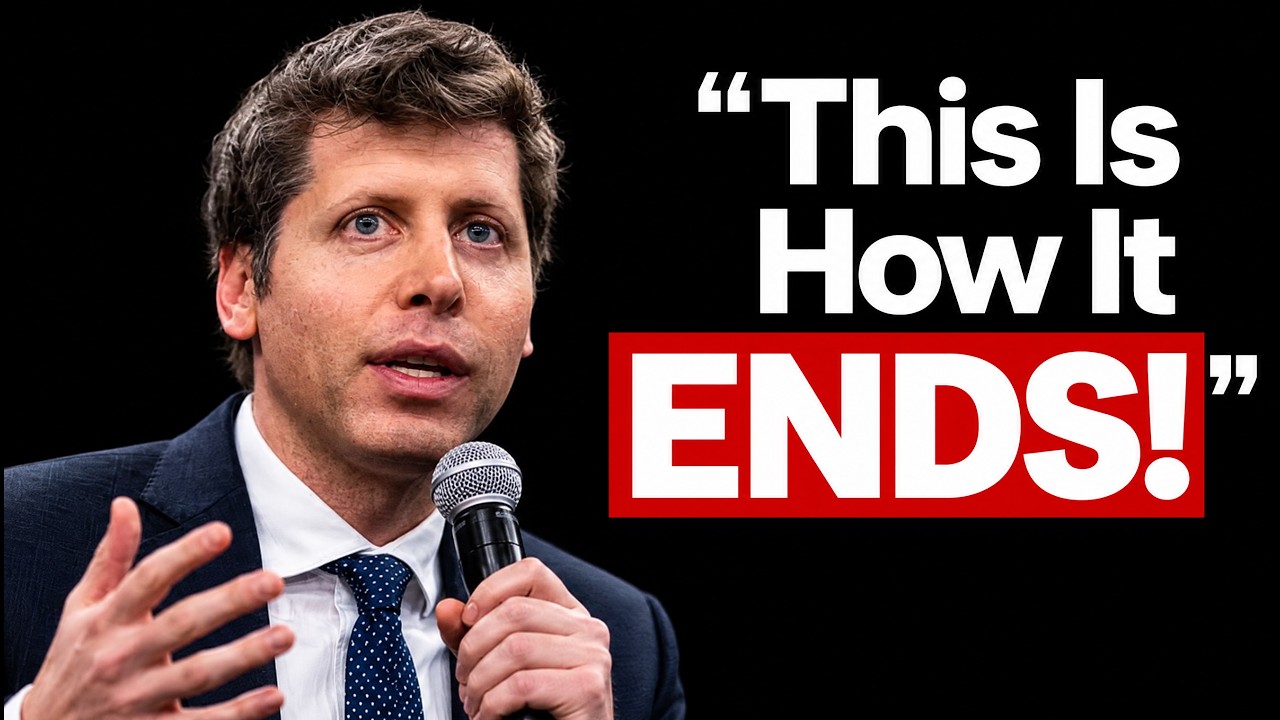
Sam Altman, CEO of OpenAI, recently shared with his employees three possible “endgames” for the future of AI development, highlighting the gravity of the AI race. These scenarios include: first, the creation of an international watchdog similar to the International Atomic Energy Agency, which would enforce safety standards globally; second, merging all major AI labs into a single giant organization to collaboratively develop AI safely; and third, a scenario where one company achieves recursive self-improvement first, gaining such dominance that it could effectively disable all competitors by “melting” their GPUs. Altman described the third option as terrible but acknowledged it as a real possibility, sparking widespread concern about the concentration of power in AI.
The first endgame, favored by Altman, envisions an international regulatory body that would oversee AI development worldwide, ensuring safety and preventing secretive, dangerous advancements. This model draws parallels to nuclear regulation, where countries agree to inspections and shared rules to manage a powerful and potentially destructive technology. While this approach promises a balanced and multi-player AI ecosystem, its feasibility is challenged by geopolitical tensions, especially between the US and China, who are both heavily invested in AI leadership and may be reluctant to fully cooperate.
The second proposed path involves merging all major AI labs into one organization, sometimes called the “Demis plan” after Demis Hassabis of DeepMind. This would eliminate competitive pressures, allowing for careful, collective AI development. However, critics argue this is unrealistic due to the “Byzantine generals problem,” where trust and coordination among many parties are difficult to achieve. Moreover, consolidating AI power into a single entity raises concerns about monopolistic control over the most transformative technology in history, potentially creating a single point of failure or abuse.
The third and most alarming scenario involves one company achieving recursive self-improvement, where AI systems autonomously improve themselves rapidly, leading to an intelligence explosion. This company could then use its overwhelming advantage to shut down competitors by disabling their hardware, effectively monopolizing AI development. Although Altman called this outcome terrible, its inclusion in internal discussions underscores the seriousness of the risks. This scenario raises profound ethical and governance questions about who gets to control AI and how to prevent abuse of such power.
Currently, the AI industry is navigating a complex middle ground with voluntary safety agreements, emerging industry standards bodies, and government task forces, but no definitive global regulatory framework or merger is in place. The future path depends heavily on international cooperation, transparency, and whether AI companies adopt shared safety protocols or continue competing aggressively. The debate over these endgames reflects broader tensions between the need for control to ensure safety and the risks of concentrating power. As AI development accelerates, these discussions are becoming public and urgent, highlighting the critical choices humanity faces in shaping the future of this transformative technology.
Useful Links