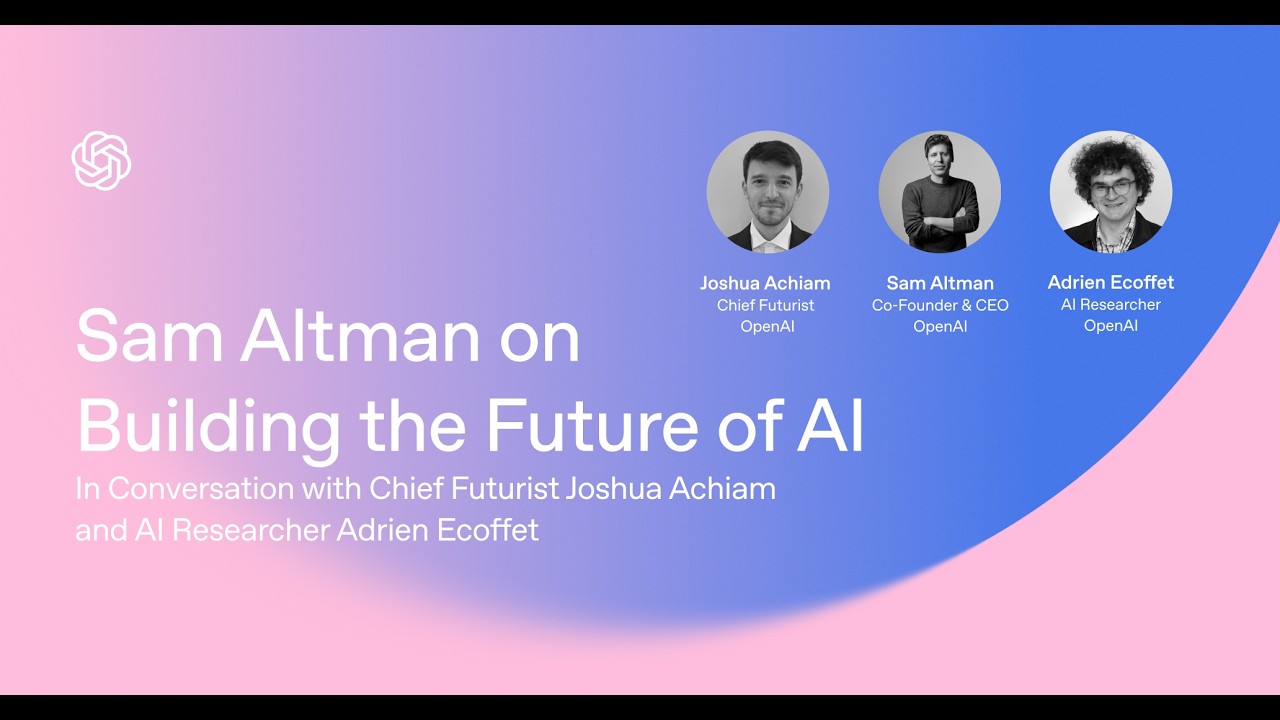
The OpenAI forum, moderated by Chris Nicholson, featured a deep discussion with Sam Altman, CEO of OpenAI, Josh Aim, Chief Futurist, and researcher Adrien Akafe, focusing on the rapid advancements in AI and their societal implications. Sam Altman emphasized the accelerating pace of AI progress and the imminent arrival of extremely capable models that will profoundly impact the economy, science, and daily life. He highlighted the importance of starting public debates early to ensure thoughtful decision-making as AI technologies evolve. The forum also underscored the unique collaboration between researchers and policy experts at OpenAI, which helped produce a forward-looking blueprint addressing both the opportunities and risks of superintelligent AI.
The panelists discussed the transformative potential of AI in various domains, particularly in accelerating scientific discovery, personalized medicine, and democratizing entrepreneurship by enabling individuals to start businesses with AI assistance. They acknowledged the significant benefits AI could bring, such as curing diseases and creating new materials for sustainable energy, while also stressing the need to mitigate risks like cybersecurity threats and biosecurity concerns. The conversation highlighted the necessity of building societal resilience through layered defenses, including incident reporting systems and AI-powered cybersecurity measures, to prepare for and respond to potential AI-related incidents.
A key theme was the democratization of AI access and the responsibilities of institutions to ensure equitable benefits. Josh Aim spoke about the importance of expanding AI infrastructure to lower costs and broaden access, enabling more people to leverage AI for work, learning, and innovation. The discussion also touched on the evolving nature of work, with AI potentially shifting value creation and requiring new economic models, such as modernizing tax systems and providing portable benefits to support workers in transition. The panelists emphasized the need for new institutions that bridge the gap between corporations and governments to manage AI’s societal impact effectively.
The forum explored the human qualities that will remain vital in an AI-driven future, such as compassion, creativity, and interpersonal connection. The panelists shared personal anecdotes illustrating how human interaction and empathy continue to matter deeply, even as AI takes on more tasks. They also discussed AI’s potential to enhance healthcare by improving diagnostics, patient empowerment, and medical research, ultimately making quality care more accessible and affordable. Education and elder care were similarly highlighted as areas where AI could reduce costs and improve personalized support while preserving the essential human element.
In closing, the speakers reflected on the challenge of public adoption and awareness of AI’s capabilities, noting a current gap between AI’s potential and widespread use. They expressed optimism that as more people experience AI’s benefits firsthand, societal transformation will accelerate. The forum concluded with an invitation for ongoing public engagement, research, and policy development, including OpenAI’s initiatives to fund research and foster dialogue. This conversation marks an early but crucial step toward shaping a future where AI’s profound impacts are thoughtfully managed and broadly shared.