This week, Samsung made significant strides by bringing its Samsung Internet browser from Android to Windows, allowing users to sync their browsing data across devices. Although currently in beta and officially available only in the US and Korea, the browser supports both Snapdragon and Intel PCs and is based on Chromium, offering familiar features like bookmark import, an ad blocker, and AI-powered browsing assistance. This move took Samsung two years to accomplish and is expected to please many fans of the mobile browser by extending its usability to desktop environments.
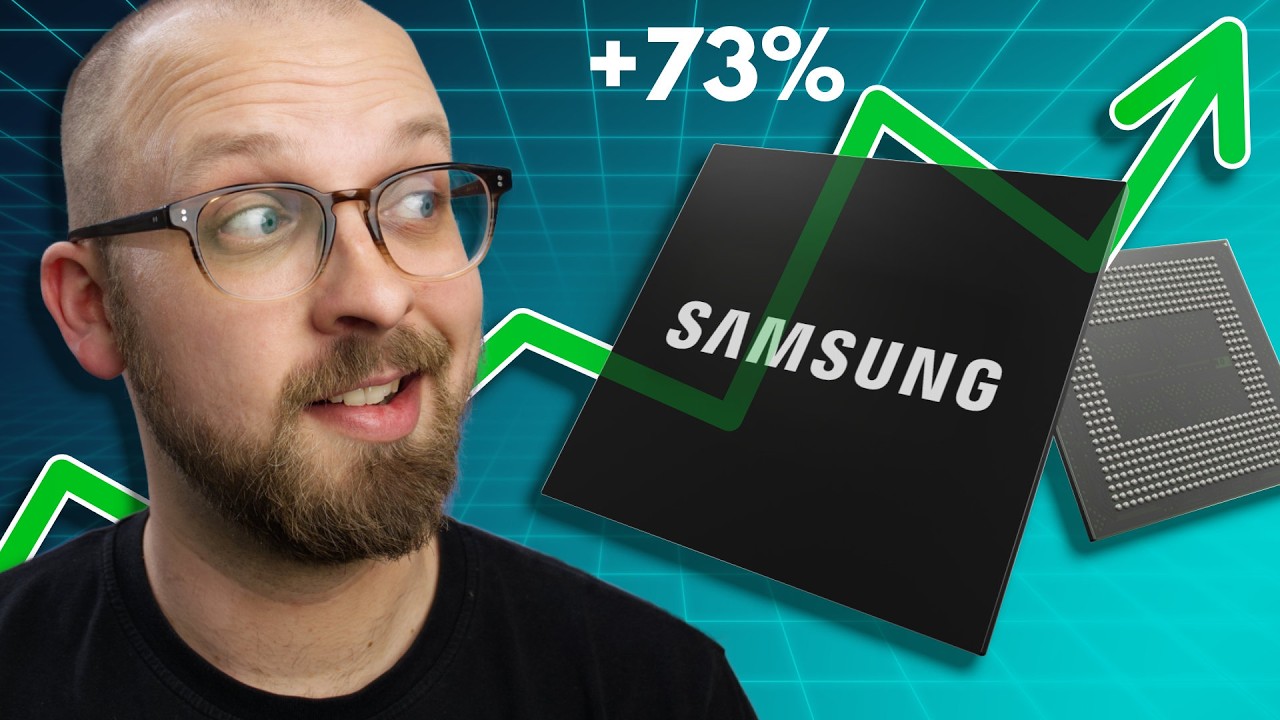
Samsung’s chip business is experiencing a remarkable turnaround after years of struggles. The Korea Herald reports that Samsung’s chip foundry is becoming profitable again, with major orders from Tesla, Apple, and Nintendo. Tesla has shifted a large AI chip order to Samsung, and the company is also collaborating with Apple on next-generation image sensors. Additionally, Samsung is reviving its Exynos chip line for upcoming Galaxy S26 phones and working with Qualcomm on advanced Snapdragon chips using its 2nm process. Samsung’s memory business is also recovering, with high-bandwidth memory now attracting buyers like Nvidia, contributing to a 70% stock increase over six months.
In robotics, a company named 1X introduced Neo, a humanoid robot designed for domestic tasks, available for purchase next year at around $20,000 or $500 monthly. While the launch video shows Neo performing various household chores, most tasks are currently remotely controlled by humans, with only simple actions like walking and fetching drinks done autonomously. The company plans to train each robot in individual homes due to the variability of household environments, effectively asking early adopters to help develop the technology. Despite some concerns about privacy and reliability, Neo represents a promising step forward in domestic robotics.
Other tech updates include Dreamy, a robot vacuum company, expanding into smart rings with health tracking and touch input, and DJI releasing its premium Romo P robot vacuum with advanced features and a stylish transparent design. Insta360 launched a lighter, cheaper version of its flagship camera, the X4 Air, while Nothing introduced the Phone 3A Lite with budget specs and some controversial pre-installed apps. OnePlus unveiled its new flagship 15 in China, featuring a large battery and sleek design but with smaller camera sensors and no Hasselblad branding, raising questions about camera quality.
In broader tech news, Qualcomm is entering the AI server chip market, Nvidia invested $1 billion in Nokia to upgrade telecom infrastructure, and OpenAI completed its for-profit restructuring with Microsoft owning 27%. Samsung teased its first trifold device expected this year, and the US-China trade war tariffs have eased slightly. Affinity launched a free all-in-one design app with AI features, Apple plans OLED upgrades for several devices, and YouTube will use AI to upscale videos below 1080p. Lastly, the video sponsor SY offers flexible eSIM plans for travelers, simplifying internet access across multiple countries.