The speaker highlights how scientists, with their experience in long-term experimentation and dealing with uncertainty at institutions like NASA, possess qualities that make them well-suited for the dynamic and iterative nature of startups. They encourage scientists to embrace entrepreneurship as a natural extension of their skills, offering opportunities for growth, innovation, and impactful contributions beyond traditional research roles.
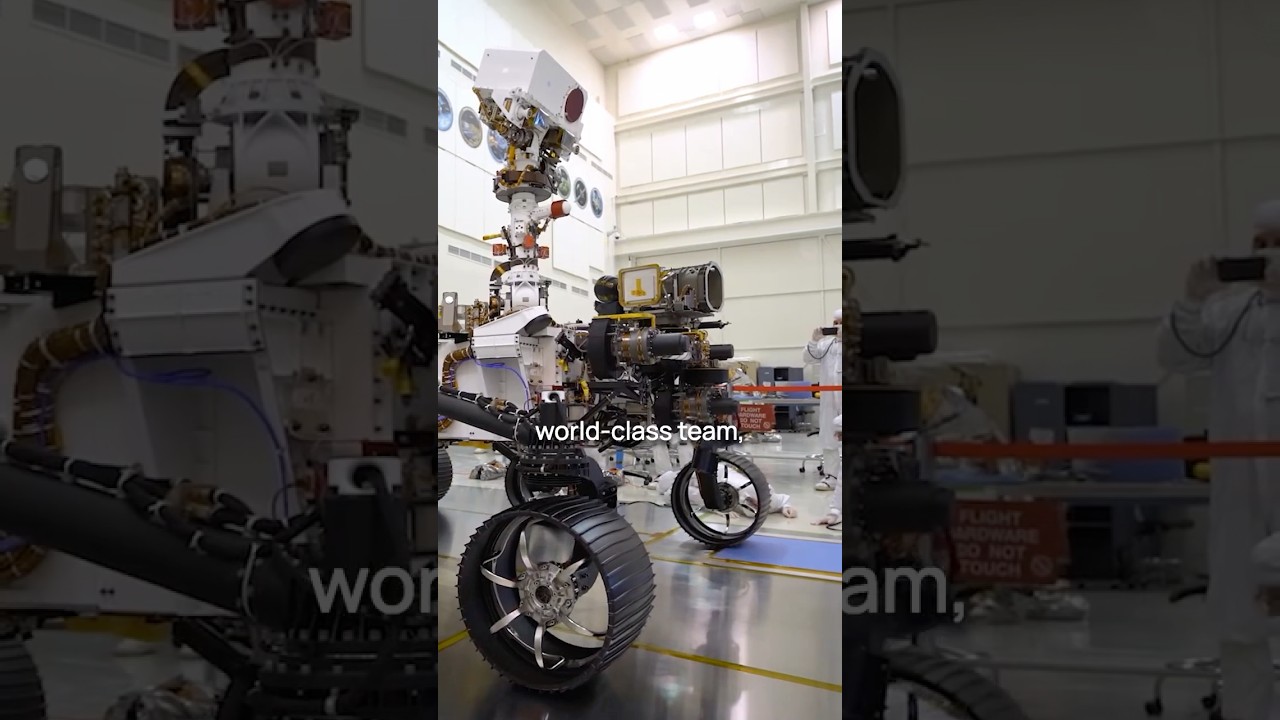
The speaker reflects on their experience working at NASA, where they were involved in innovative projects such as genetically engineering fungus to create building materials for Mars habitats and contributing to the Mars Perseverance Rover mission. They highlight the scale and complexity of NASA projects, which involve tens of thousands of contractors and require meticulous project management and teamwork. This environment fosters long-term thinking, as many programs span five to twenty years, with clearly defined roles and deliverables for each team member.
Working at NASA taught the speaker the importance of having a specific role and being prepared with deliverables, which contrasts sharply with the dynamic and often ambiguous nature of startups. In startups, especially at the seed stage, roles are less defined, and the environment demands rapid iteration and adaptability. The speaker notes that while NASA projects emphasize stability and long-term planning, startups require a more flexible and experimental approach.
Starting a company, according to the speaker, can significantly improve one’s skills as a researcher and engineer. The intense pressure and fast-paced nature of startups force entrepreneurs to iterate quickly, abandon ideas that do not show promise, and operate in uncomfortable situations. This process ultimately leads to growth and development, making individuals better at their craft through practical experience and resilience.
The speaker challenges the common perception that business school graduates are best suited to entrepreneurship. Instead, they argue that scientists possess qualities that make them ideal startup founders. Scientists are accustomed to conducting long experiments, dealing with uncertainty, and dedicating extensive hours to their work. These traits align well with the demands of running a startup, which involves continuous experimentation and perseverance despite unclear outcomes.
In conclusion, the speaker encourages scientists, especially those working in environments like NASA, to consider entrepreneurship as a viable and accessible path. They emphasize that scientists’ methodical and experimental mindset equips them well for the challenges of startups. For those toiling away in research roles, starting a company might be a natural extension of their skills and passions, offering opportunities to innovate and make a tangible impact beyond traditional scientific endeavors.