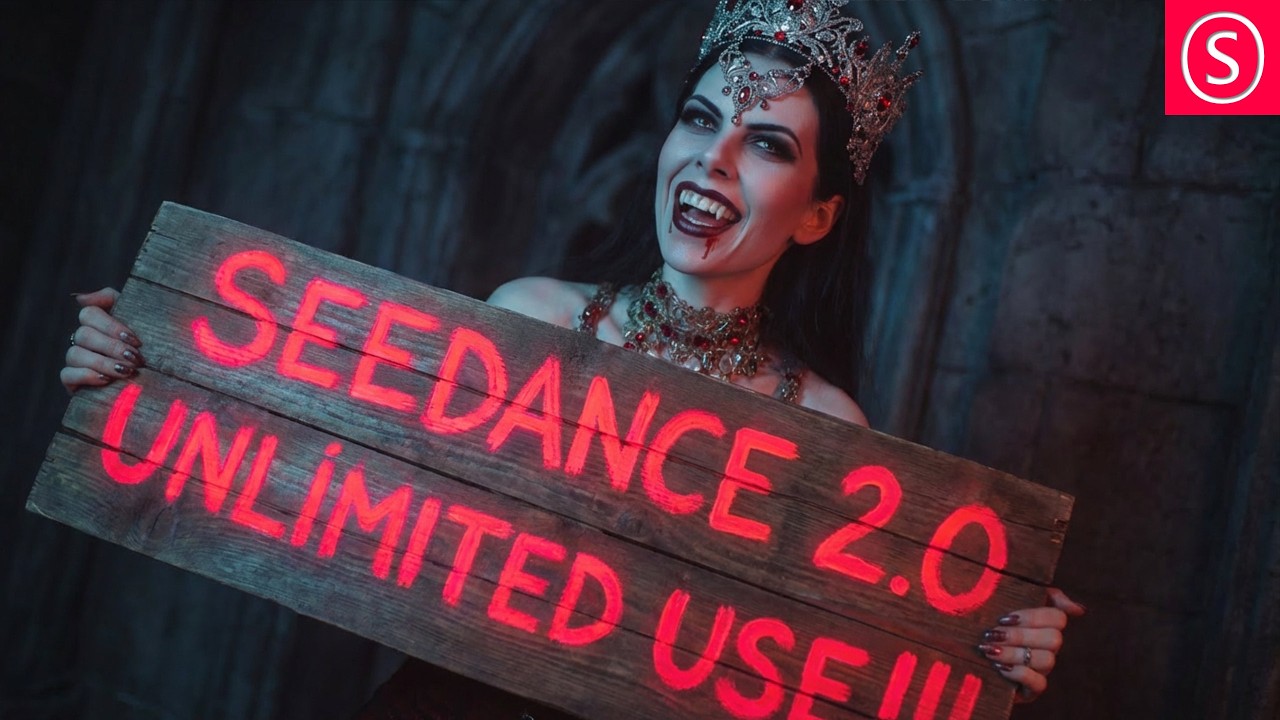
In this video, the creator introduces SeeDance 2.0, a powerful video generation model accessible via the Runway platform. They highlight that Runway allows unlimited video generation without needing a business account, although the unlimited plan is somewhat pricey but valuable for frequent users. The model can generate two videos simultaneously, though there may be some delay before processing begins. The creator emphasizes the importance of detailed prompts, including time codes and scene descriptions, to guide the model effectively. They also mention using ChatGPT to help craft these prompts.
SeeDance 2.0 supports multi-reference inputs, allowing users to upload both images and videos as sources. Future updates are expected to include audio inputs, which could enable advanced features like lip-syncing and music video creation. A notable feature is the ability to extend videos by using the last frame as a reference, enabling the creation of longer or even endless videos. However, there are limitations related to copyright and realism; the model restricts the use of realistic human faces due to legal concerns, though it can generate realistic people from prompts without issue.
The video creator tests SeeDance 2.0’s physics simulation capabilities, which are surprisingly good for a visual model. Examples include a ball inside a transparent plastic ball, a towel getting wet, and color mixing. While some physics aspects like liquid volume and the number of ice cubes have limitations, the model still visually represents physical interactions convincingly. An interesting experiment showed accurate reflections inside a spoon, demonstrating the model’s ability to handle complex visual effects, though not perfectly consistent.
Artistically, SeeDance 2.0 performs well with scenes familiar from movies or video games, such as dragons breathing fire or werewolves hunting humans. Slow-motion effects are particularly impressive, producing visually appealing results even when normal-speed scenes are less perfect. However, the model struggles with overly complex scenes involving many characters or actions, often losing track of details. Directional understanding can also be problematic, with characters sometimes appearing in incorrect positions relative to objects or other characters.
In conclusion, SeeDance 2.0 is a powerful and versatile video generation tool with impressive capabilities in physics simulation and artistic scene creation. While it has some limitations, especially regarding realistic human likenesses and complex scenes, it offers exciting possibilities for video extension and creative storytelling. The creator invites viewers to join their Discord community to share experiences and knowledge about SeeDance 2.0 and other models, fostering a collaborative environment for exploring this technology.