The discussion centers on the impact of artificial intelligence (AI) in financial services, focusing on Rosebase, an AI platform designed for asset managers. Michael, a co-founder of Rosebase, explains that their technology leverages institutional memory—proprietary data and accumulated judgment—to help clients make better, faster decisions. Rosebase connects to various data systems, including documents, accounting, trade, and CRM systems, allowing AI agents to holistically analyze and reconcile complex, often conflicting data. This comprehensive approach aims to prevent critical information from being overlooked in high-stakes financial decisions.
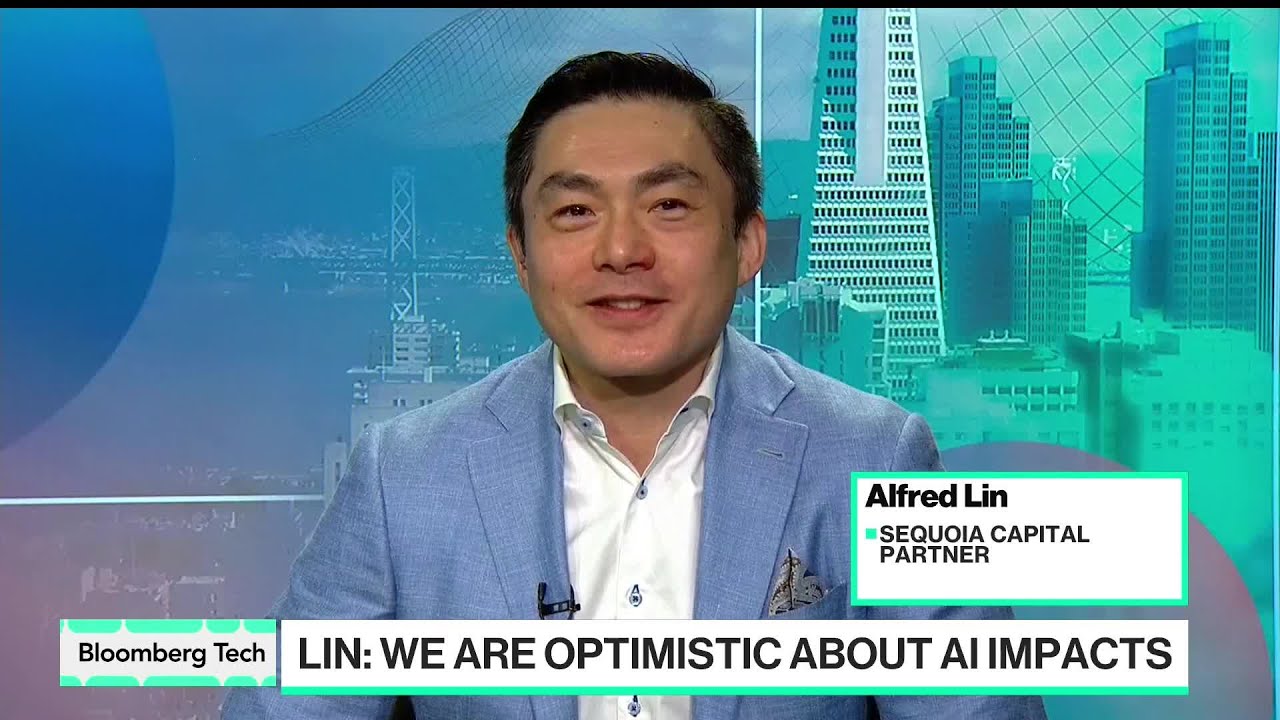
Alfred Lin from Sequoia Capital, which has invested in both OpenAI and Anthropic, discusses the rationale behind backing Rosebase. He emphasizes Sequoia’s founder-first, market-driven investment philosophy and highlights the complementary backgrounds of Rosebase’s founders—Michael with experience at Stripe and Ibo with a finance leadership background. Lin underscores the importance of accuracy and reliability in financial decision-making, noting that Rosebase addresses a crucial need for trustworthy AI-driven insights in an industry where mistakes can be costly.
The conversation also touches on the competitive landscape, with questions about whether large firms could build similar AI solutions internally or rely on general-purpose AI models from companies like Anthropic or OpenAI. Michael argues that Rosebase’s value lies in its deep integration with clients’ unique data and its ability to handle the nuanced, domain-specific challenges of finance, such as reconciliation, document versioning, and understanding financial metrics like EBITDA. He stresses that these are not trivial problems and require specialized infrastructure, security, and product expertise.
Alfred Lin provides a broader perspective on AI’s societal impact, expressing optimism about its potential. While acknowledging concerns about automation and job displacement, he believes AI will enable people to focus on more strategic, creative, and human-centric work. Lin insists that humans should remain in the loop for critical decisions, especially in areas like retirement and insurance, and sees AI as a tool to augment rather than replace human judgment.
The discussion concludes with reflections on Sequoia’s investment strategy and the future of AI-driven companies. Lin describes his new role as co-steward of Sequoia and the firm’s ongoing commitment to supporting visionary founders. Michael outlines Rosebase’s plans for growth, including expanding their teams in San Francisco and New York. Lin expresses continued optimism for both new AI-native companies like Rosebase and established firms like Snowflake, emphasizing the importance of adapting to technological disruption and integrating AI to remain competitive in the evolving software landscape.