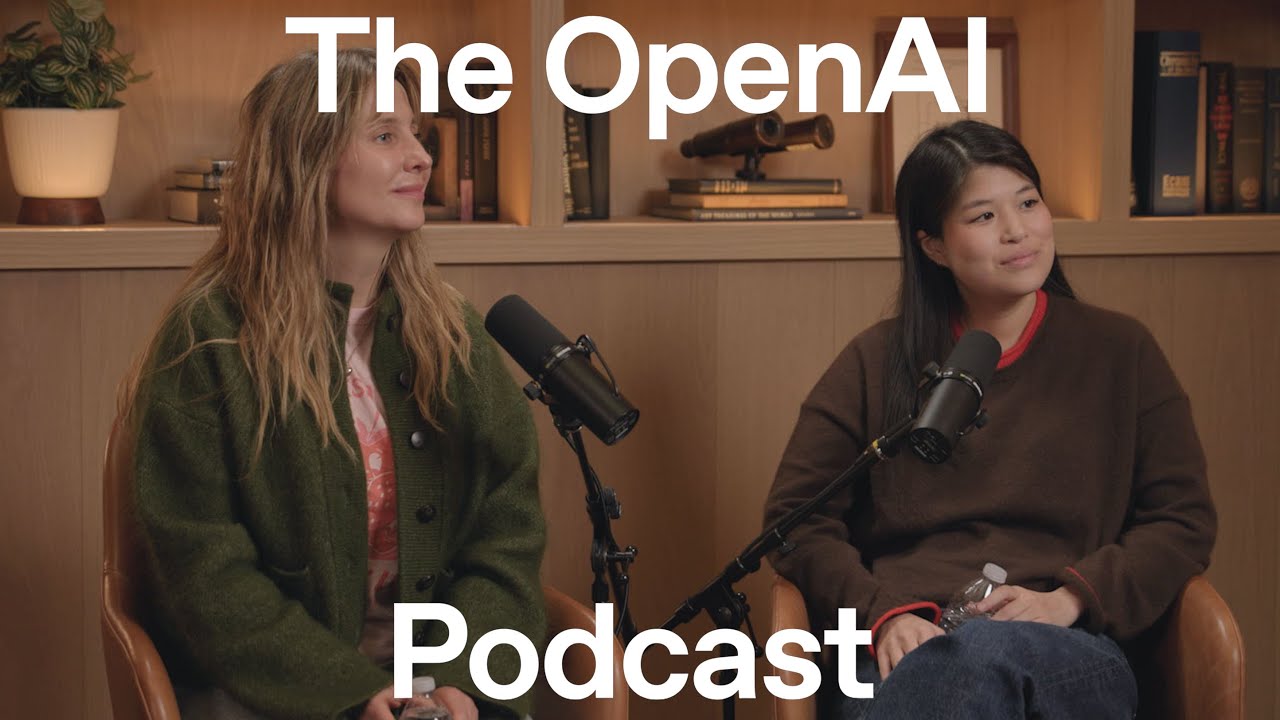
In this episode of the OpenAI Podcast, Andrew Maine hosts Christina Kim, a research lead on post-training, and Lentia Ramen, a product manager focused on model behavior, to discuss the advancements in GPT-5.1. A key highlight is that for the first time, all models in ChatGPT are reasoning models, capable of deciding when to engage in deeper “chain of thought” reasoning based on the complexity of the prompt. This shift allows the model to refine its answers more thoughtfully, improving intelligence and instruction-following capabilities across the board.
The conversation delves into the challenges of balancing model behavior, particularly around personality and warmth. Feedback from users indicated that GPT-5 sometimes felt less intuitive and colder, partly due to shorter context windows and an auto-switcher that moved users between chat and reasoning models with different response styles. GPT-5.1 addresses these issues by enhancing memory, improving custom instruction following, and introducing style and trait features that allow users to steer the model’s personality and response style, making interactions feel warmer and more personalized.
The hosts also explore the complexity of defining and shaping personality in AI models. Personality is seen not just as response style—such as tone, length, or emoji use—but as the entire user experience, including app design, latency, and memory. Shaping personality involves a delicate balance between maintaining steerability (user control) and preserving the model’s quirks that make interactions feel natural. The team emphasizes maximizing user freedom while minimizing harm, ensuring the model is both safe and flexible enough to meet diverse user needs.
Another significant topic is the evolving approach to emotional intelligence (EQ) in models. Measuring and improving EQ is challenging because it involves understanding user intent, context, and subtle signals. Advances in memory and user signal research help the model remember past interactions and better tailor responses, enhancing the feeling of empathy and attentiveness. The podcast also touches on the importance of handling sensitive content carefully, balancing safety with usability, and the ongoing efforts to reduce bias and improve creativity in GPT-5.1.
Looking ahead, the guests express excitement about the future of customizable AI behavior. With over 800 million weekly active users, a single personality cannot serve everyone, so increasing steerability and personalization is key. They envision models that can infer user expertise and preferences automatically while keeping users in control of their data and settings. The episode concludes with practical advice for users to experiment with the models, use hard questions to test improvements, and leverage features like memory and personality styles to get the most out of GPT-5.1’s capabilities.