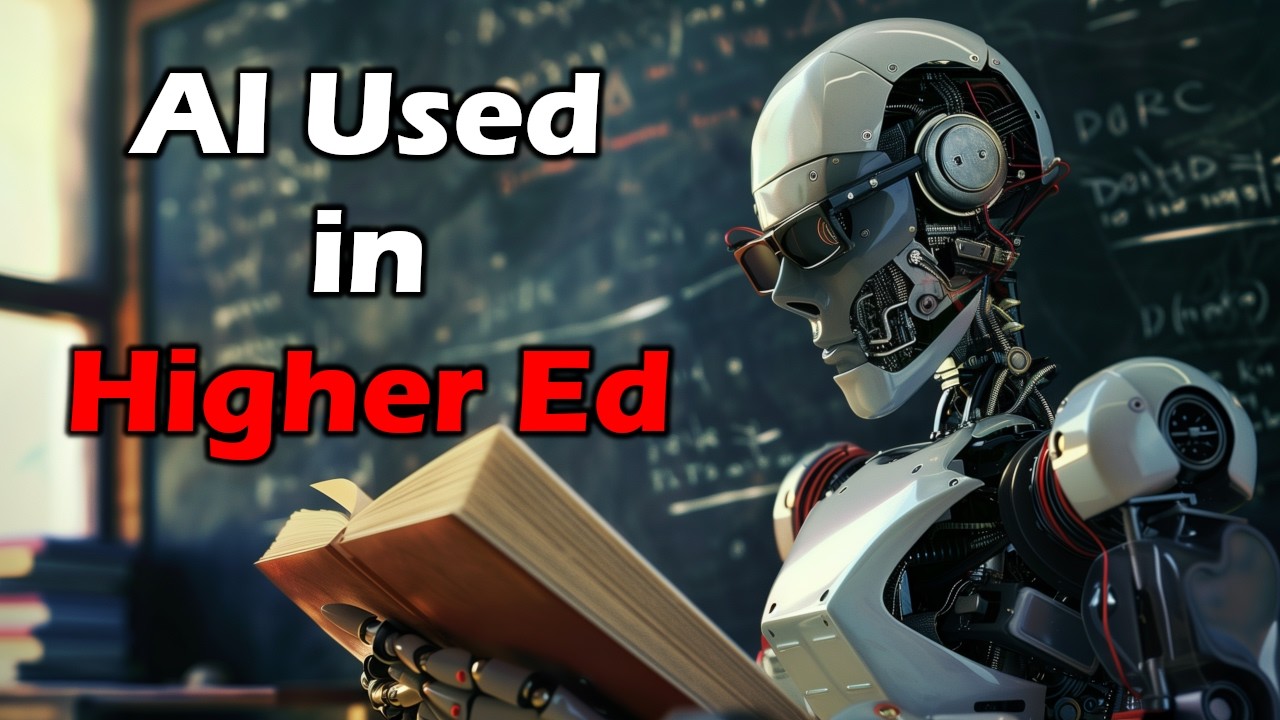
In the podcast episode featuring Jessica Parker, a builder in the AI education space, the discussion revolves around misconceptions surrounding generative AI in education and its potential benefits. Jessica highlights that many academics struggle to grasp how large language models function, often leading to concerns about plagiarism and the effectiveness of AI tools. She emphasizes the importance of understanding that these tools are more than just content generators; they can facilitate academic research and provide valuable feedback to students. As educators begin to comprehend the capabilities of AI, their questions evolve from basic concerns to more insightful inquiries about its applications.
Jessica shares her journey as a non-technical founder and her motivation for integrating AI into education, drawn from her experiences in academia. She initially aimed to provide better support to graduate students who often face overwhelming workloads. By developing an AI tool that offers personalized feedback based on specific rubrics, she discovered that students could receive timely, constructive criticism, allowing them to progress more effectively in their research. The tool not only helps in reducing the number of revisions needed but also encourages students to take ownership of their learning by identifying their weaknesses and asking targeted questions.
The conversation also touches on the potential impact of AI on the educational landscape, particularly in addressing the “two sigma problem” in Bloom’s taxonomy, which highlights the benefits of one-on-one tutoring. Jessica explains that AI tools could replicate this experience by providing personalized support to students, helping them make better progress in their studies. This capability to personalize learning can boost student engagement and motivation while shifting their focus from rote tasks to deeper, critical thinking about their research.
However, the discussion also delves into the dark side of AI in education, including issues of instant gratification, consumerism, and the potential for cognitive deficits. Jessica expresses concern about students treating education as a commodity, leading to a lack of accountability and engagement. Furthermore, there are ethical considerations surrounding the use of data in AI, with academics worrying about how their work is utilized without their consent, as seen in a recent deal between a publishing company and Microsoft.
In conclusion, Jessica emphasizes the promise of AI to enhance educational experiences while acknowledging the challenges and risks involved. By leveraging AI, educators, students, and parents can foster a more engaged and personalized learning environment that prioritizes critical thinking and problem-solving. As AI continues to develop, the focus should remain on integrating these tools thoughtfully, ensuring that they empower rather than replace human interaction and learning.