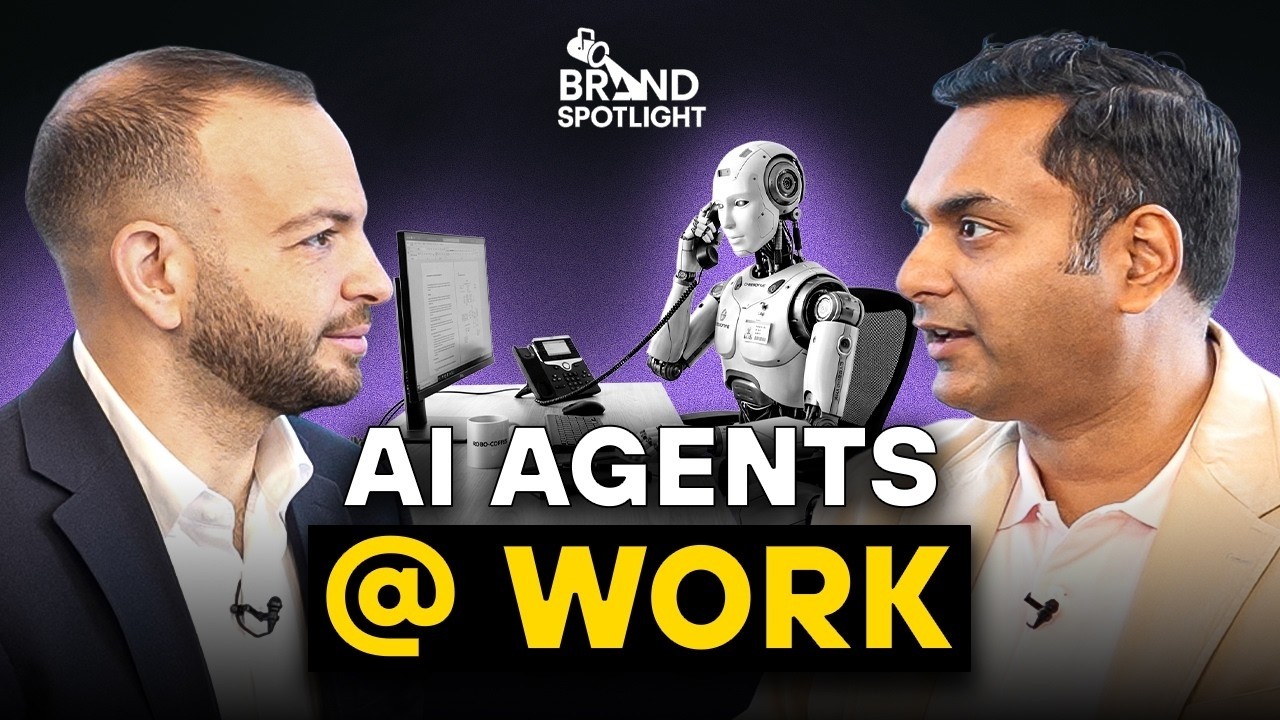
In the discussion with Arnab Bose, Chief Product Officer at Asana, the central theme revolves around whether software companies should embrace or resist AI integration. Arnab argues that companies should embrace AI, particularly by leveraging platforms like Asana that specialize in human and AI coordination. He emphasizes that building AI-powered software from scratch is resource-intensive and distracts from core business goals. Instead, companies should focus on their unique missions while relying on specialized platforms like Asana to handle the complexities of AI integration, including security, reliability, and uptime.
Arnab explains Asana’s unique value proposition through its “work graph,” a data model that captures tasks, projects, and portfolios aligned with company goals. This work graph enables AI agents to access rich historical context and shared memory, allowing them to perform tasks like writing creative briefs or managing launch plans with high relevance to the company’s past successful projects. Unlike generic AI tools that produce average outputs, Asana’s AI teammates deliver customized, enterprise-specific results that improve over time through continuous feedback and shared learning across teams.
The conversation highlights how AI agents within Asana can reduce the coordination burden on human teams, allowing creative directors and other professionals to focus more on taste, judgment, and strategic decision-making rather than routine tasks. Arnab envisions these AI teammates as collaborators that enhance productivity and quality, enabling businesses to achieve better outcomes faster. He also stresses the importance of shared memory, which ensures that AI agents learn from feedback collectively, improving their performance for the entire organization rather than just individual users.
Arnab discusses the technical and strategic approach Asana takes with AI models, currently leveraging both OpenAI and Anthropic’s models, with a preference for Anthropic’s Opus 3.6 for AI teammates due to its performance in their testing. He underscores the importance of staying at the cutting edge of model capabilities rather than investing heavily in custom model development, allowing Asana to focus on differentiating through its human-AI coordination framework and enterprise-grade context management. This approach ensures Asana remains competitive and responsive to rapid advancements in AI technology.
Finally, Arnab addresses common misconceptions about AI agents, cautioning that setting up trustworthy, secure, and effective AI requires significant effort beyond impressive demos. He also shares his perspective on the future of AI agents, suggesting that multiple specialized agents with separated memories are preferable to a single master agent, especially to avoid privacy and security risks between personal and professional domains. Overall, Asana’s AI teammates aim to transform work by automating busywork while enhancing human creativity and collaboration, driving meaningful business outcomes.