The video creator shares their extensive experience using the GPT-5.6 model, highlighting how they had early access and spent between $180,000 and $240,000 on inference over about six weeks. They emphasize that this video is not a formal review but rather a firsthand account of how they used the model to push its limits across numerous projects. The creator clarifies that they won’t cover certain features or comparisons, such as with Fable or pricing details, as they either lacked access or plan to address those topics in future videos. They also introduce BrowserBase, a tool that enables programmatic browser control for AI agents, which significantly enhanced the model’s ability to interact with web interfaces.
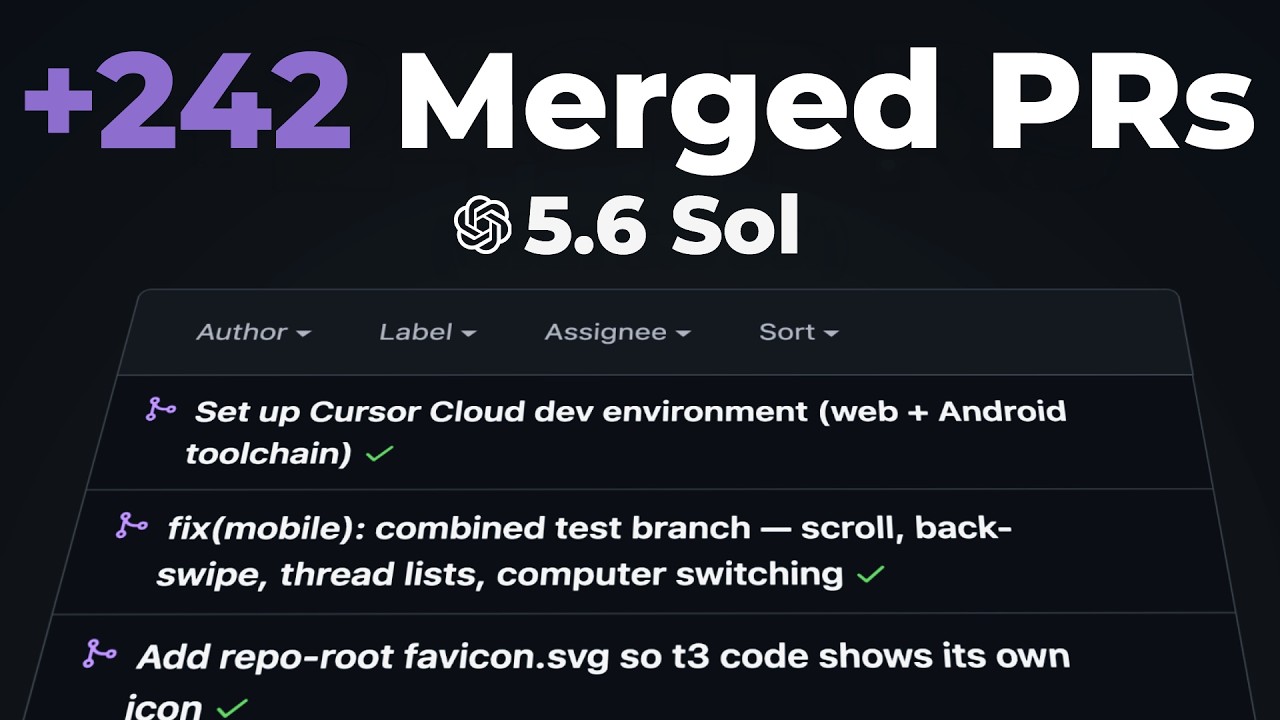
A major focus of the video is the creator’s work on various projects using GPT-5.6, including Lakebed, a cloud platform for building apps. The model helped transform monolithic JavaScript code into a well-structured TypeScript project, built CI pipelines, managed file storage, and implemented complex features like CLI login and whitelist access. The model’s improved understanding and persistence allowed it to handle long-running tasks without losing context, a significant improvement over previous versions. The creator also used GPT-5.6 to audit and manage pull requests, greatly enhancing their workflow and project management.
Another significant project discussed is T3 Code, a platform for managing AI agents across devices. The creator was impressed by GPT-5.6’s mobile capabilities, having it rewrite the entire React Native app into native Swift and SwiftUI versions within hours. They also integrated computer use loops for iterative development and improved sub-agent orchestration. The model’s ability to handle complex rewrites and mobile development showcased its versatility and depth, prompting the creator to explore ambitious rewrites of other tools like Hermes Agent in Rust, achieving functional prototypes with impressive performance gains.
The creator also experimented with ambitious goals like building a Dropbox-like cloud sync system autonomously, which consumed billions of tokens and tens of thousands of dollars in inference costs. They detailed how GPT-5.6 autonomously registered for services like PlanetScale and managed complex deployment tasks. Additionally, the model was instrumental in creating a bootable recovery drive for managing multiple machines, autonomously fixing boot issues, and handling BIOS-level tasks remotely. These feats demonstrated the model’s practical utility in real-world, technical scenarios that previously required significant manual effort.
Throughout the video, the creator expresses excitement about GPT-5.6’s capabilities, noting how it has reinvigorated their enthusiasm for building and thinking bigger. They praise the model’s reliability, persistence, and ability to understand and execute complex tasks without constant intervention. While acknowledging some limitations, especially in front-end design and certain features they did not test, the creator promises more detailed reviews and comparisons soon. They encourage viewers to subscribe for upcoming content and invite feedback on how others are using the model, signaling a deep engagement with the evolving AI landscape.