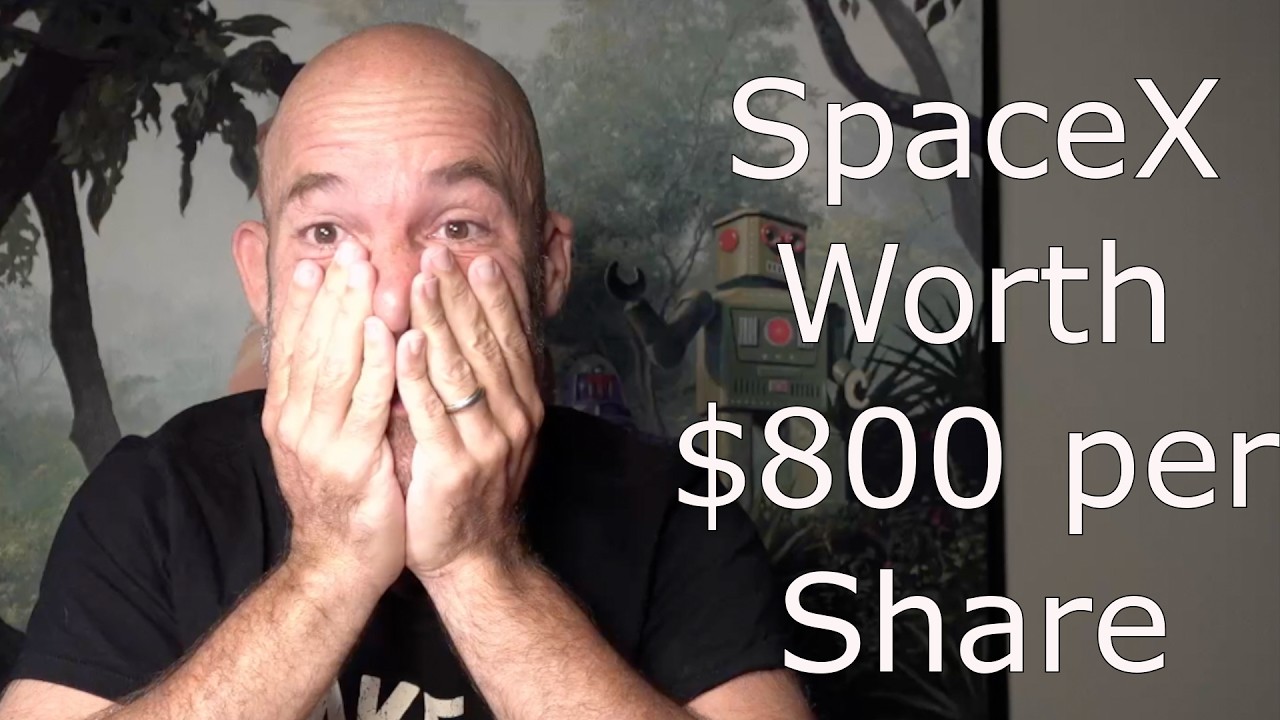
Raymond James has set an extraordinarily high $800 price target for SpaceX stock, implying a $10 trillion valuation based on ambitious revenue and market size projections tied to Elon Musk’s visionary but arguably impractical plans for space-based AI data centers. The video cautions that such inflated valuations risk undermining trust in the financial system and emphasizes the need to critically evaluate the hype surrounding space commercialization, which historically has been driven more by national pride and scientific goals than economic incentives.
Raymond James recently issued an extremely high price target of $800 per share for SpaceX stock, implying a staggering $10 trillion valuation. This recommendation has raised eyebrows across Wall Street, especially since SpaceX’s current trading price hovers around $113 per share, down from its all-time high of $225 shortly after its IPO. The firm’s bullish stance suggests a nearly sevenfold increase in value, which many find unrealistic given the company’s current financials and market conditions. Despite SpaceX’s rough few weeks post-IPO, Raymond James remains confident in its long-term growth prospects.
The valuation projections from Raymond James are based on ambitious revenue growth estimates, forecasting SpaceX’s sales to jump from $38.5 billion in 2026 to $837 billion by 2031. Additionally, EBITDA is expected to soar from $17.7 billion to $696 billion within the same period. These figures imply an extraordinarily rapid expansion that many find hard to believe, especially considering the short timeframe of just over four years. The firm also estimates SpaceX’s total addressable market at $28 trillion, which is roughly a quarter of the entire global GDP, a number that seems disconnected from economic reality.
Much of the hype around SpaceX’s future value is tied to Elon Musk’s ambitious vision, including plans to build AI data centers in space and establish manufacturing capabilities on the moon. Musk envisions launching one AI data center per hour into orbit, which, while technically feasible on a small scale, appears wildly impractical and economically questionable. These space-based data centers are essentially single racks of servers, and the scale Musk proposes is unprecedented and difficult to justify from a business perspective. Critics argue that these grandiose plans are more storytelling and hype than grounded financial strategy.
The video also highlights concerns about the broader implications of such inflated valuations and narratives. The author worries that when respected financial institutions like Raymond James promote unrealistic targets, it undermines trust in the financial system. Younger generations, already skeptical of authority, may become further disillusioned, questioning the value of investing in the future if they perceive the system as corrupt or manipulated. This erosion of trust could have long-term negative effects on societal growth and economic stability.
Finally, the video reflects on the historical context of space exploration, noting that economic incentives have never been the primary driver for lunar missions or space endeavors. Instead, these efforts have been motivated by broader values such as national pride and scientific advancement. The current push to monetize space through ventures like SpaceX’s ambitious plans may be more about selling a compelling story than delivering tangible economic returns. The author urges viewers to critically assess these narratives and consider the real value behind the hype.