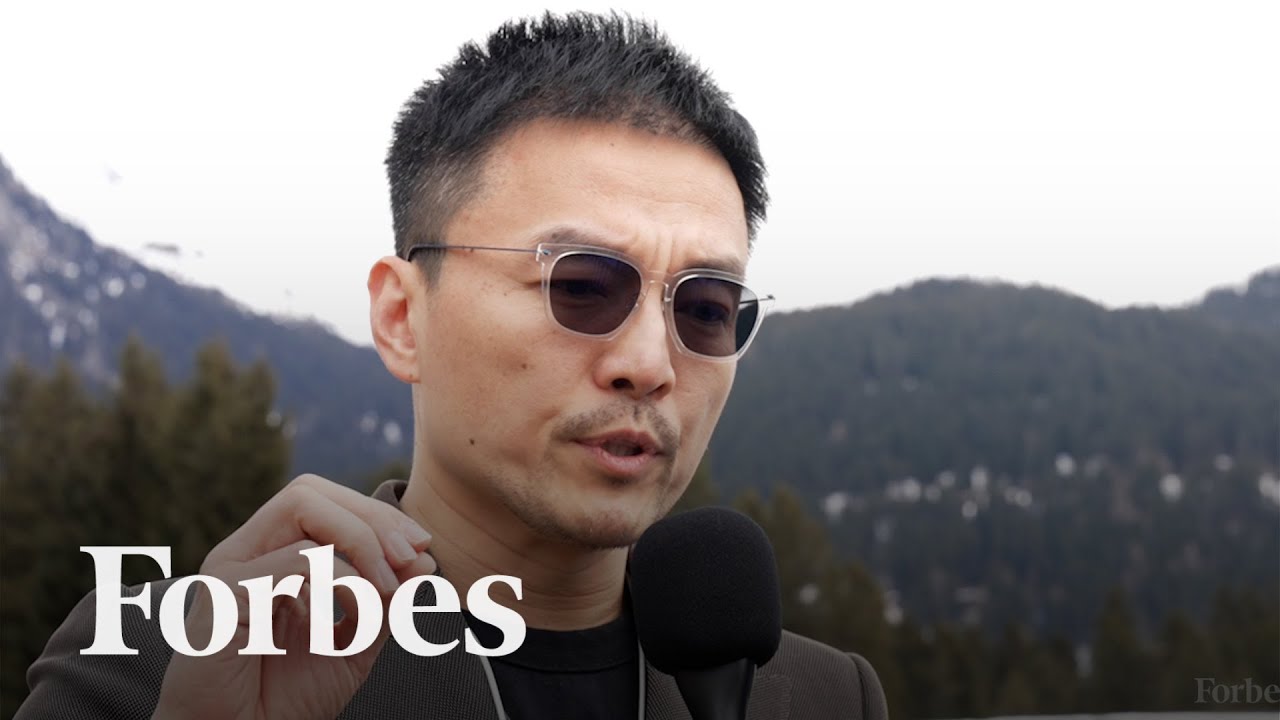
Derek Ha Young Lee, founder of Squirrel AI Learning, discussed the transformative potential of AI in K-12 education at the World Economic Forum, highlighting his company’s innovative virtual AI teacher that operates independently of traditional classroom settings. He emphasized the need for educators to adapt to new roles focused on data analysis and emotional support, while also raising concerns about the long-term effects of AI on human cognitive abilities and the importance of fostering independent thinking in students.
In a discussion at the World Economic Forum in Davos, Derek Ha Young Lee, the founder of Squirrel AI Learning, shared insights on the global implications of artificial intelligence (AI) in education. He emphasized the unique position of Chinese companies in the AI landscape, noting their rapid innovation and ability to understand consumer needs. Lee highlighted that Chinese firms, including Squirrel AI, have evolved from merely copying Western technologies to leading in AI advancements, with his company holding over 100 patents in AI education.
Squirrel AI Learning aims to revolutionize K-12 education by providing a virtual AI teacher that interacts directly with students, functioning independently of traditional classroom instruction. Lee described this technology as akin to “level five” autonomous driving, distinguishing it from other AI educational tools that primarily assist human teachers. With a user base of 24 million students and a compound annual growth rate exceeding 100% over the past three years, Squirrel AI is positioned as a primary educational resource rather than a mere supplement.
Lee argued that the role of teachers will undergo significant changes in the next decade, as AI takes over the delivery of knowledge and fundamental concepts. He suggested that teachers will need to transition into roles focused on data analysis and emotional support, rather than traditional instruction. This shift could lead to a scenario where AI enhances students’ learning capabilities, potentially making them significantly smarter than previous generations.
During the conversation, Lee also expressed concerns about the long-term implications of AI on human cognitive abilities. He posited that as AI increasingly handles intellectual tasks, human brains may “shrink” in their capacity to think critically and creatively. He emphasized the importance of teaching students how to learn and think independently, rather than relying solely on AI tools for completing assignments.
Looking ahead, Lee projected rapid growth for both Squirrel AI and the broader AI education sector. He noted the potential for job displacement across various professions, including teaching, law, and medicine, as AI technologies advance. Lee urged stakeholders to consider the societal impacts of these changes and to adapt educational systems to prepare students for a future where AI plays a central role in learning and knowledge acquisition.