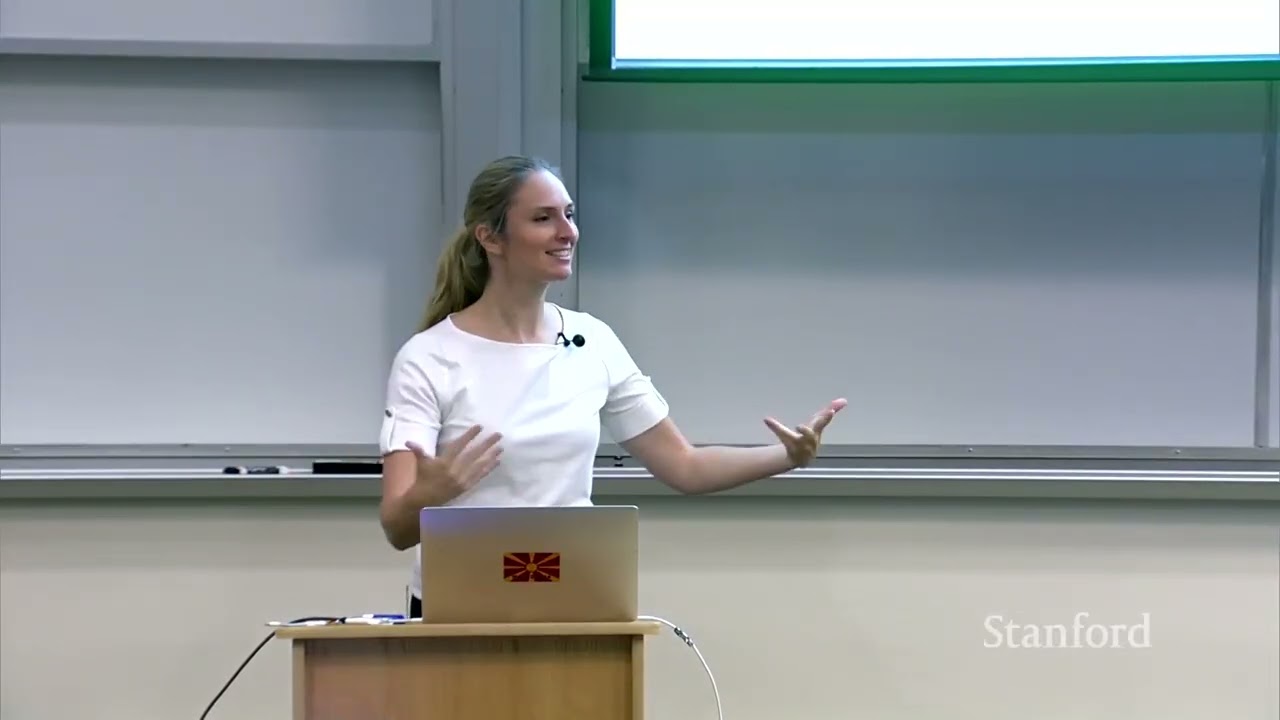
The talk begins with an enthusiastic discussion about AI-assisted coding, highlighting the excitement around tools like Vibe Coding and AI solving complex problems such as 3D Rubik’s cubes. However, the speaker cautions that some AI solutions, like a student’s Rubik’s cube solver, simply reverse the scrambling steps rather than genuinely solving the puzzle, which can mislead developers into overestimating AI capabilities. This sets the stage for the core message: AI needs human collaboration because it cannot be fully trusted to work independently. The speaker emphasizes three key themes for building trust in human-AI systems: collaboration, control, and trust.
In exploring collaboration, the speaker illustrates how humans and AI have complementary strengths in creative tasks such as brainstorming, prototyping, and testing. Using the example of creative advertising, they introduce the concept of abstract design patterns—deep structural templates that underlie creative works, such as visual metaphors in ads. By breaking down creative problems into components like concepts, images, and shapes, AI can assist in generating designs that satisfy these patterns, significantly accelerating human creativity. The speaker shares how their research developed systems that discover and apply these design schemas interactively, enabling both AI and humans to work together more effectively.
The talk then shifts to control, focusing on a system called Logo Motion that generates and edits animations using AI. This system reads image assets, understands their semantic meaning, and writes animation code that it can self-debug and refine. Importantly, it provides users with intuitive editing tools—timelines, layers, and action panels—that allow precise control over the animation without disrupting other elements. This combination of AI automation and human editorial control enables users, even novices, to create polished animations efficiently while maintaining creative input and oversight.
Trust is addressed through the example of “Double Agents,” an AI system designed to automate the complex task of scheduling seminar speakers via email. The system operates under user-defined policies that govern its actions, ensuring it behaves within acceptable boundaries. It also flags unusual or ambiguous situations for human intervention, fostering transparency and user confidence. Through simulations and real user studies, the speaker demonstrates how incremental exposure and clear visualization of AI reasoning help users build trust in the system. This approach balances automation with human oversight, making AI a proactive assistant rather than an uncontrollable agent.
In conclusion, the speaker reflects on the broader implications of human-AI collaboration, emphasizing that AI is far from perfect and requires human expertise to guide and validate its outputs. Shared problem representations, such as schemas and design patterns, are crucial for effective collaboration, enabling both humans and AI to understand and satisfy creative constraints. Control mechanisms like editing interfaces and policy-based governance further empower users to shape AI behavior and maintain trust. Ultimately, the talk advocates for a future where AI amplifies human creativity and productivity through transparent, controllable, and trustworthy partnerships.