The video explains that successful AI image generation requires users to think like film directors by providing detailed, cinematic prompts—including camera angles, lighting, and emotional tone—rather than simple descriptive phrases. By adopting this structured approach, users can create rich, cohesive images that feel like scenes from a fantasy movie instead of generic artwork.
The video emphasizes that AI image generation is not simply a matter of typing in descriptive prompts like a search bar but requires a more thoughtful, directorial approach. Many users make the mistake of providing generic descriptions, resulting in images that look like expensive desktop wallpapers rather than cinematic fantasy scenes. The problem lies not with the AI itself but with how people prompt it—they describe what they want instead of directing how the camera should capture the scene.
To create images that feel like they belong in a cohesive movie world, the video suggests adopting the mindset of a film director rather than a fan. Instead of vague or broad prompts, users should build a detailed shot list that includes technical and emotional elements. This means specifying the style, genre, emotion, scene composition, and even the actor or visual anchor to bring the image to life. By doing so, the AI can generate visuals that are consistent and rich in storytelling.
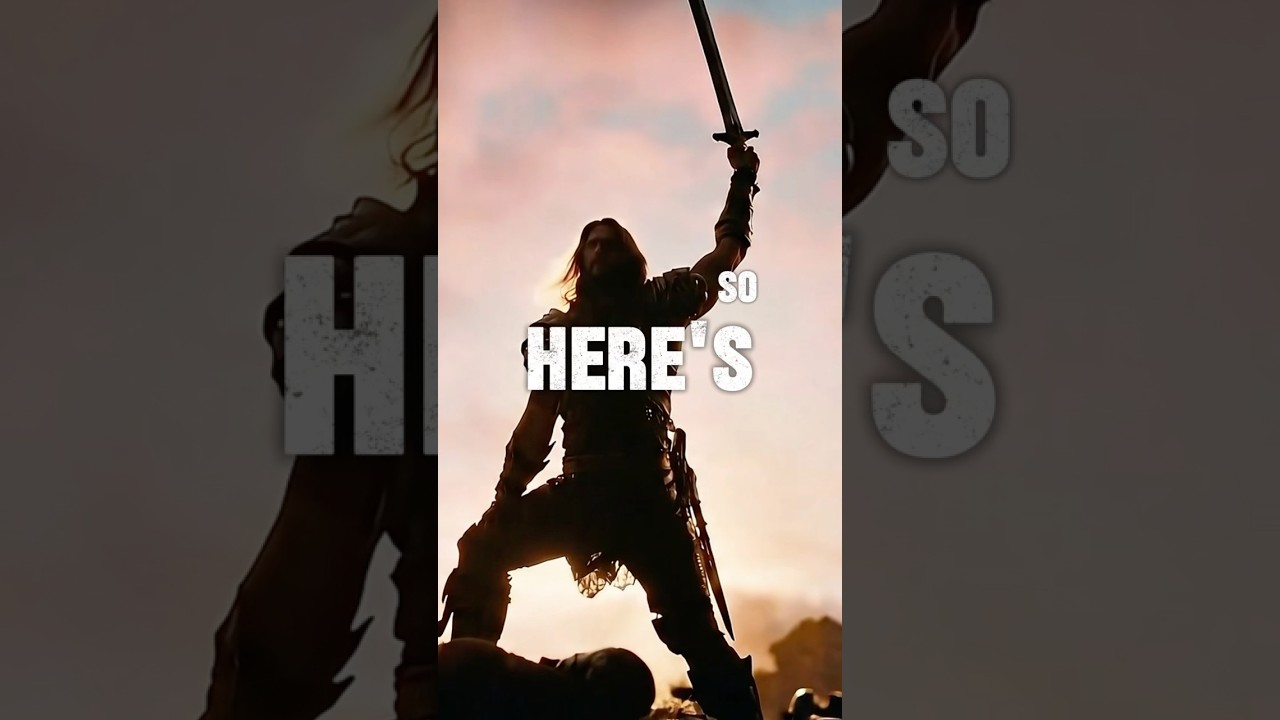
The video contrasts two example prompts: a simple description of a warrior standing victorious and a more detailed, cinematic prompt that includes camera angles, lighting, lens choice, and time of day. The first prompt results in a generic illustration, while the second produces a cinematic image with depth and soul. This demonstrates how adding cinematic data to prompts guides the AI to create more dynamic and engaging images.
The key takeaway is that the more specific and structured the prompt, the less the AI defaults to generic fantasy art. Users don’t need luck or better AI models; they need a better framework for prompting. By thinking like a director and providing comprehensive details about the shot, users can achieve repeatable, high-quality cinematic results that look like scenes from a fantasy film rather than just standalone artwork.
Finally, the video offers a resource for viewers who want to improve their prompting skills—a full prompt guide available as a PDF on Gumroad. This guide presumably elaborates on the director’s framework and provides practical tips for crafting cinematic prompts, helping users elevate their AI-generated images from generic to extraordinary.