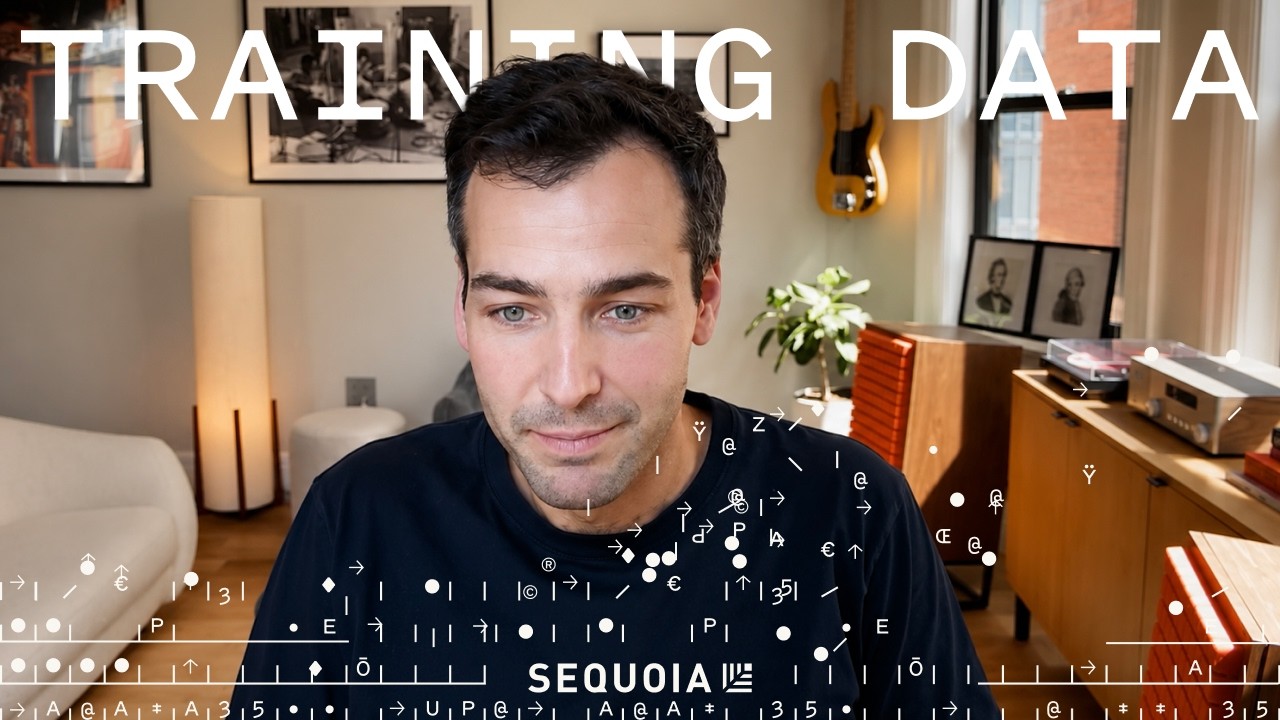
Mikey Shulman, founder and CEO of Suno, discusses the revolutionary approach his company has taken to AI-generated music. Unlike traditional Western music models limited to 12 tones and predefined instruments, Suno’s technology models raw sound waves sampled at 48,000 times per second, treating music as continuous audio rather than discrete notes or instruments. This breakthrough allows Suno’s AI to create entirely new sounds and genres, unconstrained by conventional musical theory, enabling users to explore limitless creative possibilities. The company’s early days involved overcoming significant technical challenges, but once they succeeded, they realized they had built a generic music-making machine limited only by users’ imagination and descriptive input.
Shulman’s background in physics and quantum computing unexpectedly paved the way for his venture into AI music. He emphasizes the value of working at the intersection of disparate fields, which led to innovative breakthroughs in audio modeling. Initially, Suno did not set out to build a music company due to the perceived difficulty of generating high-quality music with AI. However, early experiments and user engagement on platforms like Discord demonstrated the potential and fun of AI music creation, encouraging the team to pursue this path despite skepticism from others who viewed speech technologies as more commercially viable.
Suno’s platform is designed as a creative entertainment tool that transforms users from passive music consumers into active creators. Shulman highlights that 90% of Suno’s users engage in music creation daily, often for personal enjoyment rather than commercial purposes. This shift fosters a new kind of social and cultural interaction with music, akin to gaming, where the act of creation itself is the source of fulfillment and entertainment. The platform supports full songs with lyrics, focusing on storytelling and emotional connection through the human voice, which distinguishes it from other AI music tools that often produce short, instrumental clips.
The company’s approach to product development prioritizes user experience and social interaction, aiming to make music creation more accessible and collaborative. Recent features include allowing users to incorporate their own voices into songs, enhancing personal attachment and social sharing. Shulman envisions future innovations where fans and artists co-create music interactively, potentially transforming live concerts into participatory events. Suno also recently partnered with Warner Music, signaling a collaborative future between AI music platforms and the traditional music industry, aiming to create new forms of artist-fan engagement and monetization.
Looking ahead, Suno plans to deepen the social and expressive aspects of its platform, making music creation more interactive and personalized. Shulman believes AI unlocks unprecedented creative potential for everyone, not just professionals, and foresees a future where creative entertainment platforms become widespread. He also reflects on the challenges of building consumer AI products, noting that while enterprise AI is more straightforward, consumer-focused innovation requires creativity and a vision for new forms of play and creation. Ultimately, Suno aims to elevate music’s cultural role by making creation joyful, social, and deeply personal for all users.