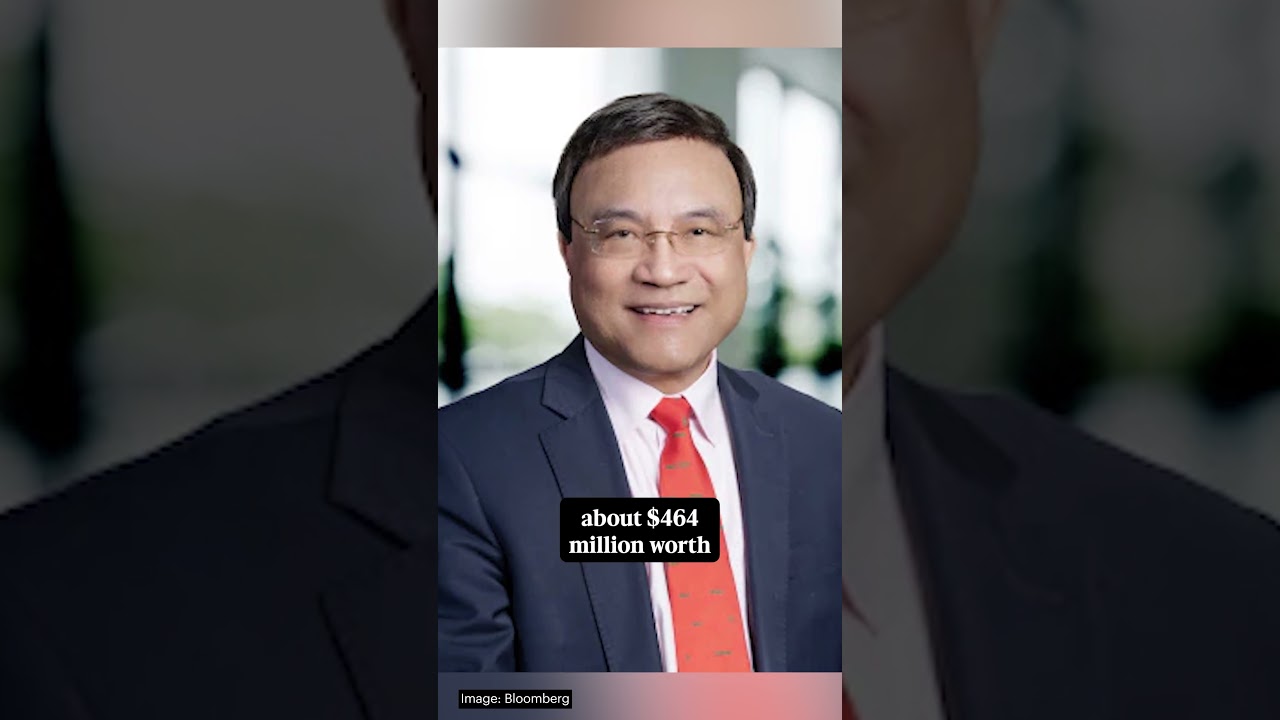
Super Microcomputer co-founder Yi Shan Liao and two others have been charged with conspiring to smuggle $2.5 billion worth of Nvidia-powered AI chips, banned for export to China, through a Southeast Asian company, leading to a significant stock drop for Super Micro. In response, the company placed Liao and another executive on administrative leave, severed ties with an outside contractor involved, and emphasized that it is not a defendant in the case amid ongoing US-China export control tensions.
Super Microcomputer experienced a significant stock drop of over 25% in pre-market trading following the arrest of its co-founder Yi Shan Liao. The US government charged Liao, along with two others, Rui Shong Chong and Tingi Sun, with conspiring to smuggle AI chips worth billions into China. The charges include violations of US export control laws, conspiracy to smuggle goods, and conspiracy to defraud the US. These allegations have caused considerable concern among investors and the tech community.
The Justice Department revealed that Liao, Chong, and Sun allegedly sold Nvidia-powered AI chips, which are banned for export to China, through a Southeast Asian company referred to as Company 1. These chips were then forwarded to China via third-party brokers, violating US export controls. Prosecutors claim that these smuggling activities generated approximately $2.5 billion in sales for Super Micro since 2024, highlighting the scale and impact of the alleged scheme.
In response to the charges, Super Micro stated that Liao and Chong have been placed on administrative leave, and the company has severed ties with the outside contractor, Tingi Sun. The company itself is not named as a defendant in the case. Despite this, the news has severely affected the company’s market value, with shares falling to around $23 each, marking the largest single-day loss for Super Micro since October 2024.
Yi Shan Liao, who co-founded Super Micro in 1993, holds a substantial stake in the company valued at approximately $464 million. The case comes amid heightened US restrictions on exporting high-power Nvidia GPUs to China, driven by the competitive demand for generative AI technology. These export controls were initially tightened in 2022 to limit China’s access to advanced AI chip technology.
However, trade policies have seen some relaxation under former President Trump, who in December allowed the export of Nvidia’s H200 chip to China, along with easing restrictions for other major American chipmakers like AMD and Intel. Trump criticized the Biden administration’s restrictions for forcing companies to produce less desirable products and noted that the US would receive a 25% cut from advanced chip sales. The ongoing tensions and regulatory changes continue to shape the complex landscape of AI chip trade between the US and China.