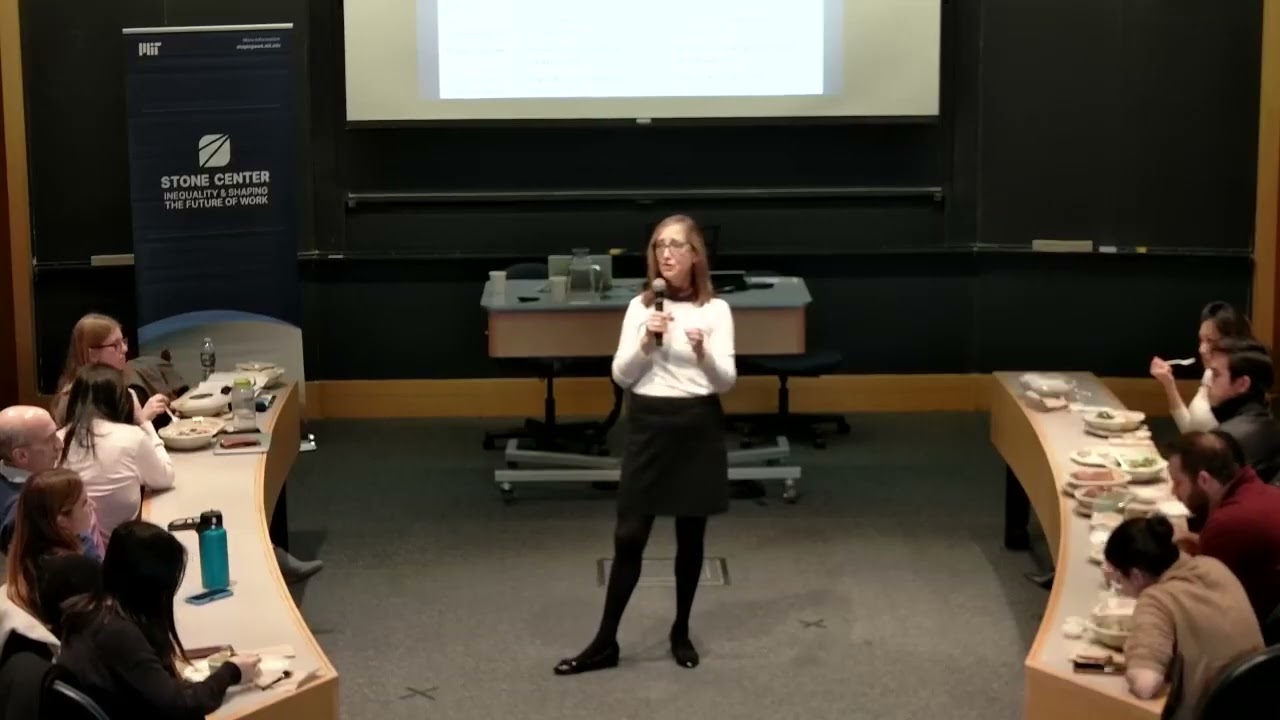
The discussion begins with an introduction to the concept of democratic backsliding, as explained by Susan Stokes, a political science professor at the University of Chicago. Backsliding refers to the process where leaders, once elected through free and fair elections, begin to undermine democratic institutions such as the press, courts, legislatures, and independent bodies. This erosion often involves consolidating executive power by attacking these institutions, firing bureaucrats, and weakening accountability mechanisms. Stokes emphasizes that this pattern is observable across many countries and is not unique to the United States.
A key insight from Stokes’ research, co-authored with Eli Ralph, is the strong correlation between income inequality and the likelihood of democratic erosion. Their statistical study found that income inequality is a more robust predictor of democratic backsliding than other economic factors like income per capita or state capacity. Inequality fosters polarization within societies, which backsliding leaders exploit by deepening divisions and using polarized rhetoric to justify undemocratic actions. This polarization leads citizens to tolerate or even support attacks on democratic norms out of fear that the opposing side might gain power.
The conversation also touches on the challenges of maintaining democratic norms and institutions in the face of backsliding. One contentious issue discussed is the idea of “court packing” or changing the composition of the Supreme Court to restore balance and neutrality. Stokes explains that the current norms around judicial appointments have been effectively altered, leading to a conservative-leaning court that undermines its legitimacy. While court packing could rebalance the court, it risks further politicizing the institution and eroding public trust. The broader dilemma is how to defend democracy without further delegitimizing its institutions.
Audience questions highlight the complexity of democratic backsliding in different contexts, including countries like Brazil, Turkey, and the United States. Stokes notes that backsliding can occur regardless of a democracy’s age and that leaders from both the left and right can engage in these tactics. The discussion also explores the role of public opinion, misinformation, and the potential impact of emerging technologies like AI. While AI could exacerbate misinformation and polarization, it also holds potential for supporting democratic engagement, though the outcome remains uncertain.
Finally, the speakers emphasize the importance of economic conditions, particularly inequality, in shaping democratic resilience. Reducing inequality through social policies is framed as an investment in democracy’s future. The conversation ends on a cautiously optimistic note, recognizing that while backsliding poses serious threats, democratic institutions and actors—such as courts and opposition parties—can still resist and reverse these trends. However, rebuilding trust and democratic norms is a slow process that requires sustained effort and attention to both economic and political factors.