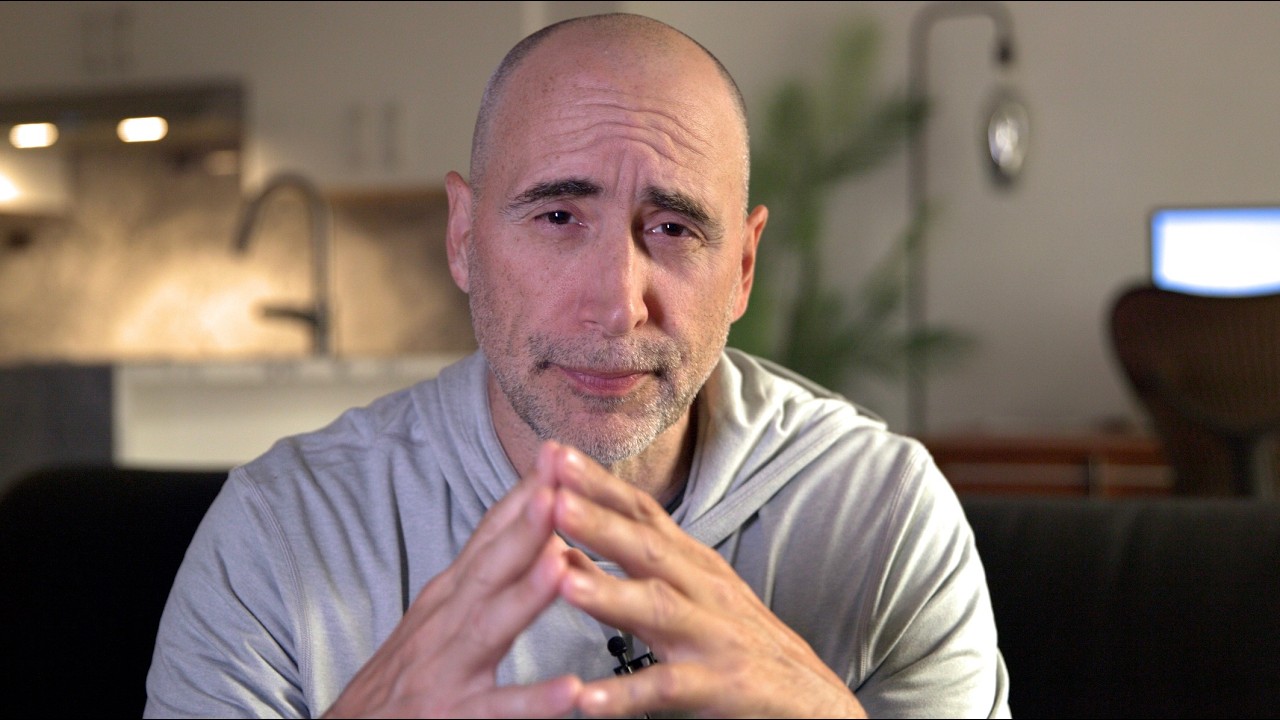
In this video, Steph discusses how programming languages have become “old news” in 2026, emphasizing that while coding remains a valuable skill, the landscape of software development is rapidly evolving due to AI advancements. Steph clarifies that they are not dismissing programming but highlighting that the time investment in learning traditional coding languages is becoming less critical. Instead, developers need to adapt to new roles that involve system-level thinking and understanding the AI technology stack, including cloud models, prompt engineering, and agent deployment. AI is seen as a powerful tool to augment development rather than replace developers entirely, especially for complex projects.
Steph reflects on the history of web development, sharing personal experiences from the early 1990s to the early 2000s, illustrating how technological shifts like the adoption of CSS revolutionized the field. This historical perspective serves to draw parallels with the current AI-driven transformation in software development. Just as developers had to adapt to new standards and tools in the past, today’s developers must embrace AI tools intelligently to enhance productivity without falling into the trap of over-reliance or misuse.
The video also addresses the polarized views on AI, contrasting the “AI doomers” who fear its destructive potential with the “AI pumpers” who overhype its capabilities. Steph advocates for a balanced perspective, encouraging viewers to avoid extremes and recognize AI’s practical benefits without succumbing to fear or unrealistic expectations. The advice includes integrating AI thoughtfully into workflows rather than using it as a crutch or a reason to cut developer jobs, citing real-world examples like Ford’s hiring missteps as cautionary tales.
Beyond technology, Steph offers personal life advice drawn from years of experience. One key tip is to embrace baldness by shaving hair rather than pursuing ineffective or artificial solutions like hair transplants. This advice is framed humorously but underscores the value of authenticity and practicality. Steph also discusses how material possessions lose importance with age, advocating for investing in diversified financial assets rather than accumulating luxury goods, which aligns with a broader philosophy of simplicity and long-term thinking.
Finally, Steph stresses the importance of health and fitness, especially as one ages. The concept of “ascending” through physical well-being is highlighted as a fundamental, non-intellectual aspect of life that impacts energy, mental clarity, and social interactions. The recommendation is to focus on a protein-rich diet, regular exercise, and weight management to achieve a body and lifestyle that surpass most of the population in vitality and ease. This holistic approach ties back to the overall message of adapting wisely to change—whether in technology, personal appearance, finances, or health.