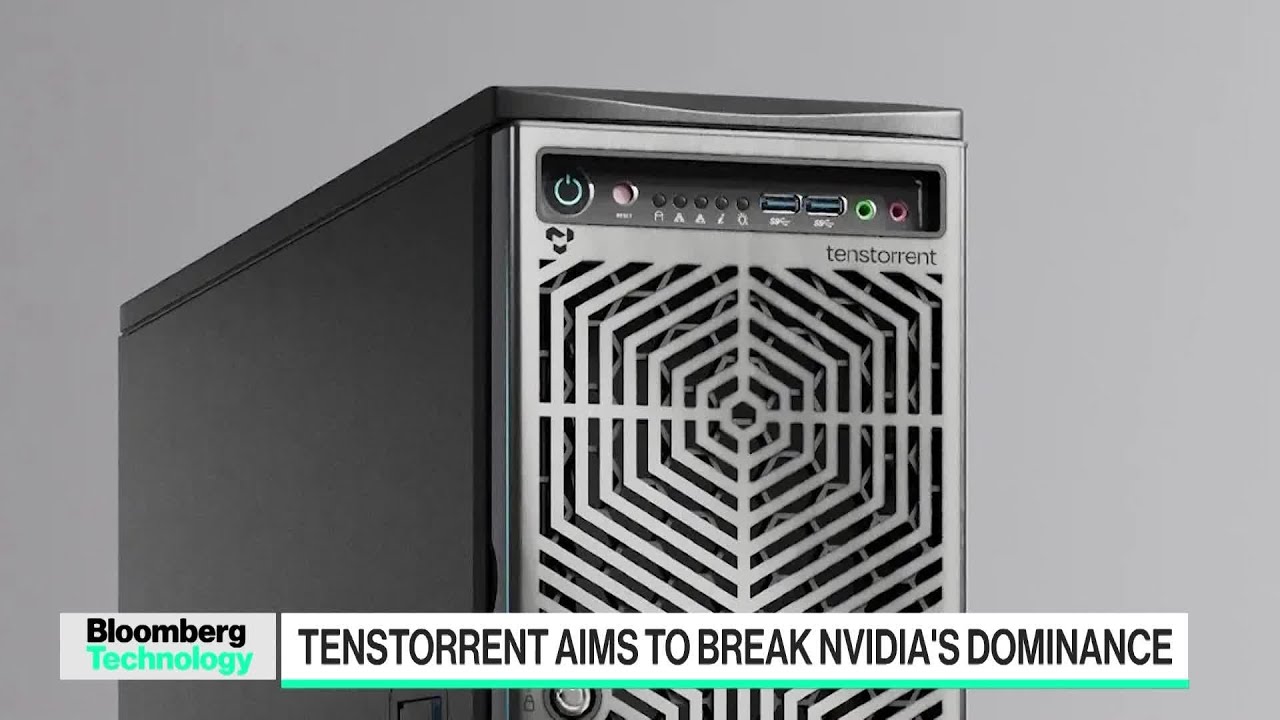
Jim Keller, co-founder of Tenstorrent, discussed the company’s strategy to provide affordable AI chip solutions by leveraging licensed intellectual property and optimizing their architecture for efficient data handling. He emphasized the importance of engaging early adopters in the AI market, which he believes is currently in a hype cycle, while navigating the complexities of the semiconductor industry amid U.S.-China trade dynamics.
In a recent discussion, Jim Keller, co-founder of Tenstorrent, outlined the company’s mission and strategy in the rapidly evolving AI chip market. Keller emphasized the importance of building a strong team and product offerings while focusing on attracting developers and early customers. Tenstorrent aims to provide a more affordable alternative to existing high-cost chip solutions, particularly those from major players like Nvidia, by leveraging their licensed intellectual property and open-source software.
Keller highlighted the company’s approach to reducing costs by utilizing less expensive memory technologies and optimizing their tensor processor architecture. This design allows for efficient data handling on-chip, minimizing the need for high-bandwidth memory and enabling better scalability across multiple chips. By partitioning AI workloads effectively, Tenstorrent can offer a competitive edge in performance without the hefty price tag associated with traditional solutions.
When discussing market potential, Keller noted that even a small share of the vast AI market could yield significant revenue for Tenstorrent. With $150 million already booked in revenue and a target of $200 million for the next year, the company is focusing on smaller players who seek differentiation in their technology. Keller believes that engaging with these early adopters will foster organic growth and establish a solid foundation for the company’s future.
Keller also addressed the current state of the AI industry, asserting that it is indeed in a hype cycle. He anticipates that AI will dominate computing over the next decade, with ongoing transformations in both hardware and software. Keller urged stakeholders to look beyond short-term fluctuations and recognize the long-term potential of AI technologies, emphasizing the need for innovative chip design and community engagement through open-source initiatives.
Finally, Keller reflected on the broader landscape of the semiconductor industry, particularly in relation to U.S.-China dynamics. He acknowledged the complexities of navigating trade regulations while pursuing growth opportunities. Tenstorrent’s commitment to open-source technology and compliance with legal frameworks positions the company to adapt to changing market conditions, whether or not China participates in the AI chip sector. Overall, Keller’s insights paint a picture of a company poised to make significant strides in the AI hardware space.