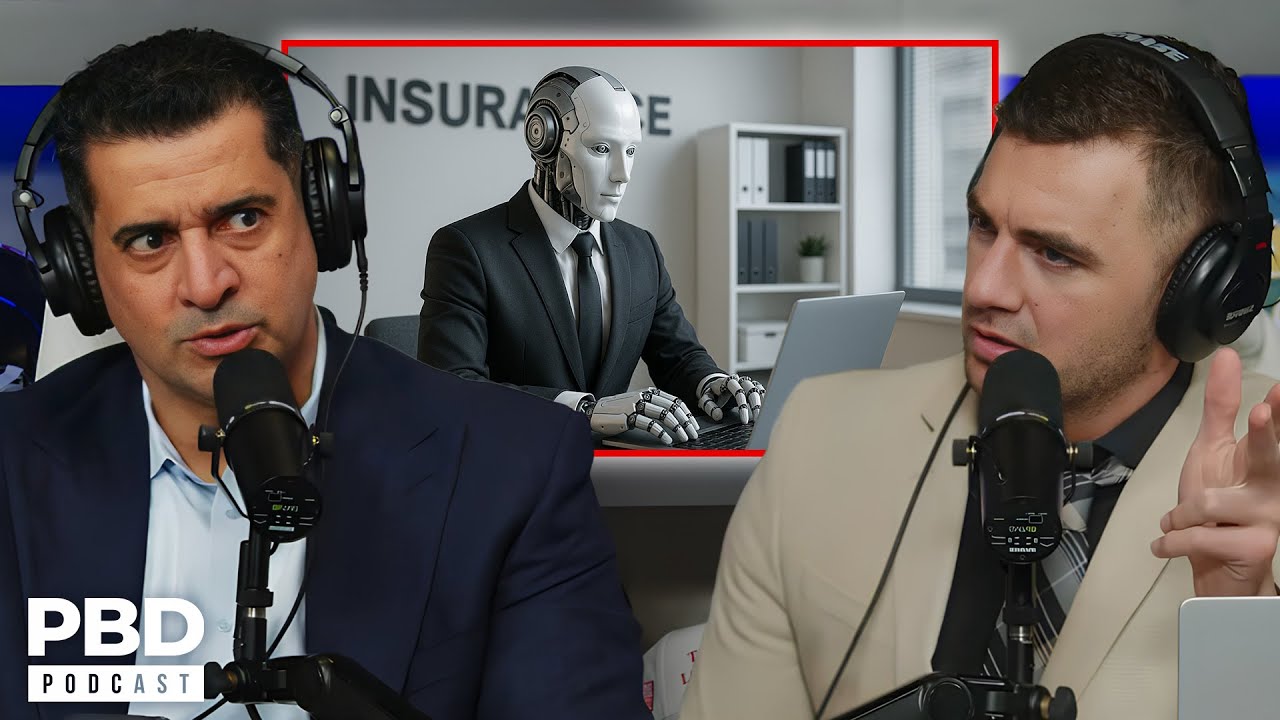
The video discusses the growing concerns among insurance companies about covering errors caused by artificial intelligence (AI). As businesses rapidly integrate AI into their operations, insurers are hesitant to provide coverage for losses resulting from AI mistakes, particularly those made at scale. Traditional insurance policies, such as errors and omissions (E&O) insurance, cover human errors based on decades of data and underwriting experience. However, AI operates at a much faster pace and can make widespread errors that are difficult to predict or quantify, making it challenging for insurers to set premiums or accept liability. An example cited is Air Canada’s chatbot, which malfunctioned and caused significant issues, highlighting the risks of AI without sufficient safeguards.
The conversation also touches on the legal and liability complexities surrounding AI errors. Companies may argue that mistakes made by AI are not their direct errors, but since the AI systems are built and operated using their data and protocols, liability could still fall on the company. This creates a “slippery slope” where responsibility is unclear, complicating insurance claims and legal accountability. Experts note that while AI is not yet fully reliable for high-stakes applications like healthcare or insurance advice, the industry is still evolving, and regulatory frameworks have yet to catch up with these technological advancements.
In response to these challenges, an AI industry-backed super PAC has launched a $10 million campaign to push for a uniform national AI policy in the United States. The goal is to prevent a patchwork of state laws that could complicate compliance and increase legal risks for companies deploying AI. While the campaign is presented as a public interest effort, critics argue it primarily serves the industry’s interests by simplifying regulatory burdens and limiting consumer protections. The video draws parallels to past industry efforts, such as the auto and crypto industries, where uniform federal regulations were sought to reduce legal complexity and control legislative outcomes.
The discussion highlights concerns that a federal AI policy driven by industry lobbying may prioritize corporate interests over consumer safety and accountability. There is skepticism about whether such centralized regulation will effectively address the nuanced risks of AI or simply create barriers to competition and innovation. The video warns that without careful oversight, AI could be used in ways that harm individuals, such as through deepfakes or wrongful accusations, and that consumers might be left vulnerable if protections are weakened in favor of industry convenience.
Finally, the video transitions to a motivational message encouraging viewers to plan and invest in their futures, using the example of the speaker’s own journey in acquiring and developing a property over several years. The speaker invites viewers to participate in a business planning workshop to prepare for 2026, emphasizing the importance of strategic investment in oneself rather than just spending money. This closing segment serves as an inspirational call to action amid the broader discussion of AI, insurance, and regulatory challenges.