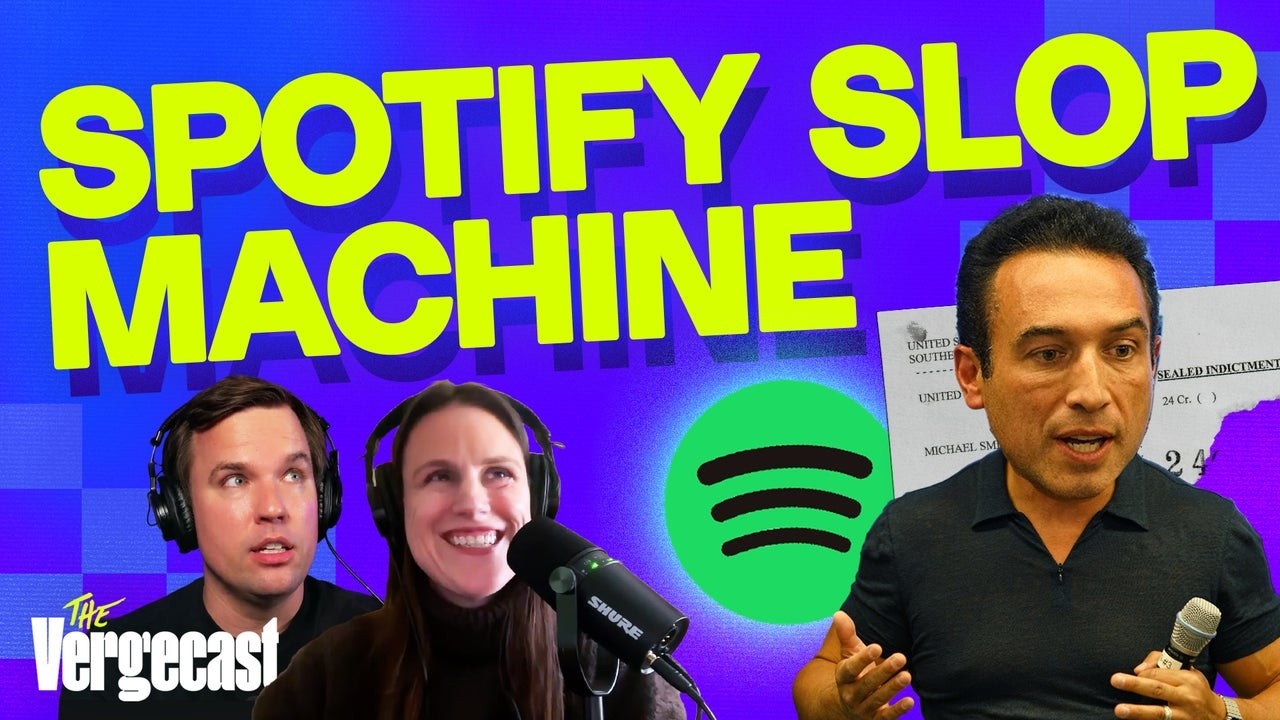
The Vergecast episode examines Mike Smith’s $8 million AI music streaming fraud, where he used AI-generated songs and streaming bots to artificially inflate royalties, leading to his criminal conviction and 18-month prison sentence. The discussion also highlights the broader challenges of policing AI-generated content and fraudulent activity in the music industry amid the rapid rise of AI-assisted media creation.
The Vergecast episode delves into the intriguing case of Mike Smith, a man who orchestrated an $8 million AI music streaming fraud scheme. Host David Pierce and Wired’s Kate Nibs explore how Smith, originally involved in healthcare, used his earnings to pursue a music career. Despite producing music and financing projects, Smith struggled to gain genuine traction. Eventually, he turned to AI-generated music and streaming bots to artificially inflate plays and royalties, creating fictitious artists and flooding streaming platforms with hundreds of thousands of AI-created songs.
Smith’s operation involved using AI tools like Boommy to rapidly generate music, which he then distributed through various streaming services using fake artist profiles. He employed networks of bots to repeatedly stream these songs, thereby generating substantial royalty payments. Although $8 million might seem modest compared to large AI company valuations, it represents a significant sum in the music streaming industry, where payouts are typically low. Smith’s scheme was eventually uncovered by streaming platforms and regulatory bodies, leading to criminal charges and his guilty plea.
The legal case against Smith centered not on the creation or distribution of AI music itself—which is generally permitted—but on the fraudulent manipulation of streaming numbers through bots. This artificial inflation violated platform terms of service and constituted fraud due to the deceptive nature of the actions and Smith’s denial when confronted. Despite the complexity and novelty of the case, Smith was sentenced to 18 months in prison, with prosecutors aiming to set a deterrent precedent amid growing concerns about AI-driven content manipulation in the music industry.
The discussion also highlights the broader context of AI-generated content flooding the internet, from books to podcasts to music, often produced cheaply and in massive quantities to exploit monetization systems. While Smith’s case is notable for its scale and legal consequences, many similar operations likely continue undetected, especially those operating internationally or on less regulated platforms. The episode underscores the challenges streaming services and other platforms face in policing AI-generated content and fraudulent activity, balancing enforcement with the evolving role of AI in creative industries.
Finally, the conversation touches on the future implications of AI in media and entertainment, noting that AI-assisted content creation is becoming ubiquitous and that public tolerance for AI-generated media may increase. Platforms are incrementally improving detection and removal of fraudulent content, but the problem’s scale and complexity suggest ongoing struggles ahead. The episode closes with reflections on the difficulty of maintaining integrity in digital ecosystems and the uncertain path forward as AI continues to reshape how content is produced, distributed, and consumed.
Useful Links