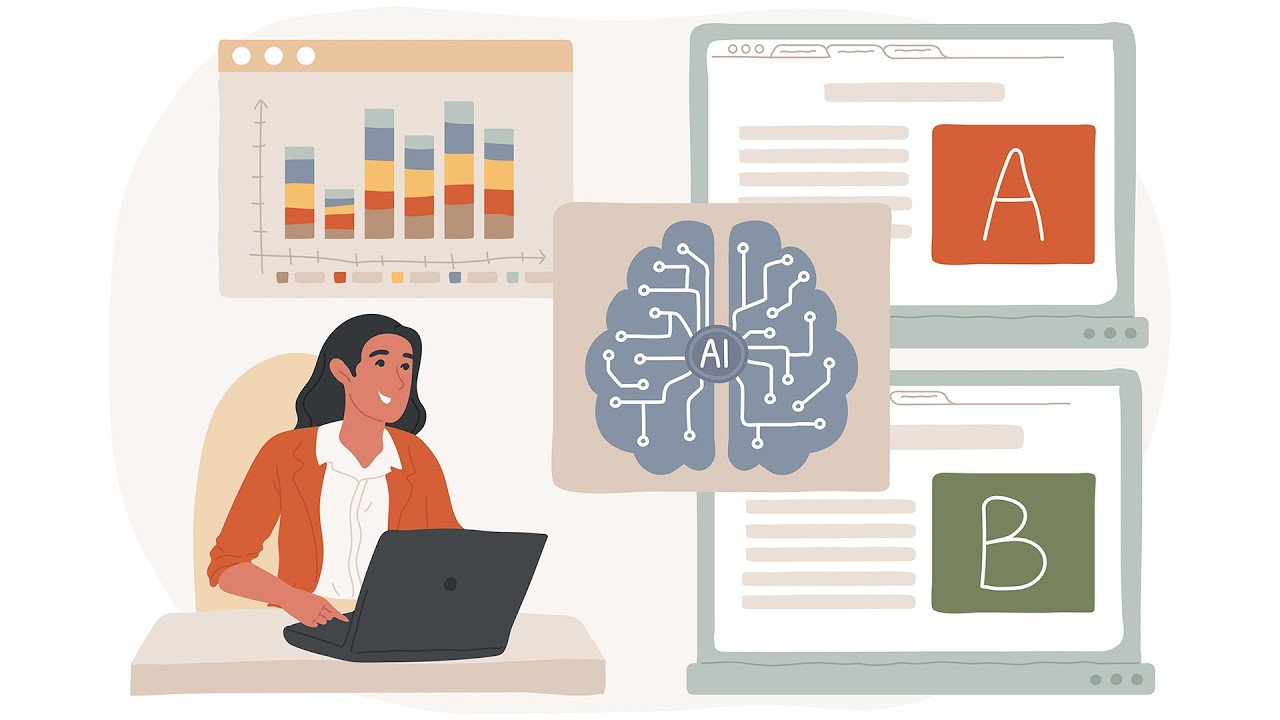
Many small business owners mistakenly believe that artificial intelligence (AI) is only accessible to large tech companies, but in reality, AI adoption among small businesses is rapidly increasing. Recent statistics show that 68% of small businesses now use AI, with three-quarters reporting that it helps them achieve more with fewer resources. For those still skeptical, a focused 90-day AI pilot offers a practical, low-risk way to test AI’s value without major investments or complicated onboarding.
The key to a successful AI pilot is to target a single, well-defined business problem rather than attempting to overhaul multiple processes at once. For example, if customer response times are slow, implementing an AI chatbot or automated email responder can address this specific pain point. Alternatively, if marketing consistency is an issue, AI tools can automate social media posts or newsletters. The goal is to select one bottleneck and measure progress using familiar business metrics such as time saved, response speed, conversion rates, or repeat sales.
Before investing in new AI tools, small businesses should first explore the AI features already embedded in their existing software, such as Microsoft 365, Google Workspace, QuickBooks, or Shopify Magic. These platforms often include capabilities like meeting summaries, email drafting, cash flow predictions, and product description generation. Simply activating these features can save several hours each week without incurring additional costs.
Data security remains a top concern for small businesses considering AI adoption. To address this, companies should create a clear, concise policy outlining which data types are safe to use with AI tools, which platforms are approved, and who is responsible for reviewing AI-generated outputs. Sensitive information should never be entered into public chatbots, and businesses should prioritize using AI features within licensed, secure software environments.
Finally, successful AI integration depends on training staff, not just on how to use AI, but also on understanding its purpose and limitations. Regular team check-ins help identify what’s working, what isn’t, and which tasks should remain manual. After 90 days, businesses should evaluate the pilot’s impact on costs, revenue, and customer experience. If successful, the AI solution can be scaled to other areas, gradually compounding time savings and building organizational confidence. AI won’t replace personal relationships, but it can streamline operations and support growth when adopted thoughtfully and incrementally.