The video explores the evolving role of artificial intelligence (AI) in India’s tech industry, highlighting both opportunities and challenges. AI is described as a powerful marketing term driving massive investments globally, with large language models consuming vast resources. In India, AI is reshaping the workforce, automating many tasks and reducing the need for large teams, but also creating new types of tech jobs. However, there is debate about whether India has a unique AI path or if it remains primarily a back office for global tech giants, providing data annotation and training services essential for AI development elsewhere.
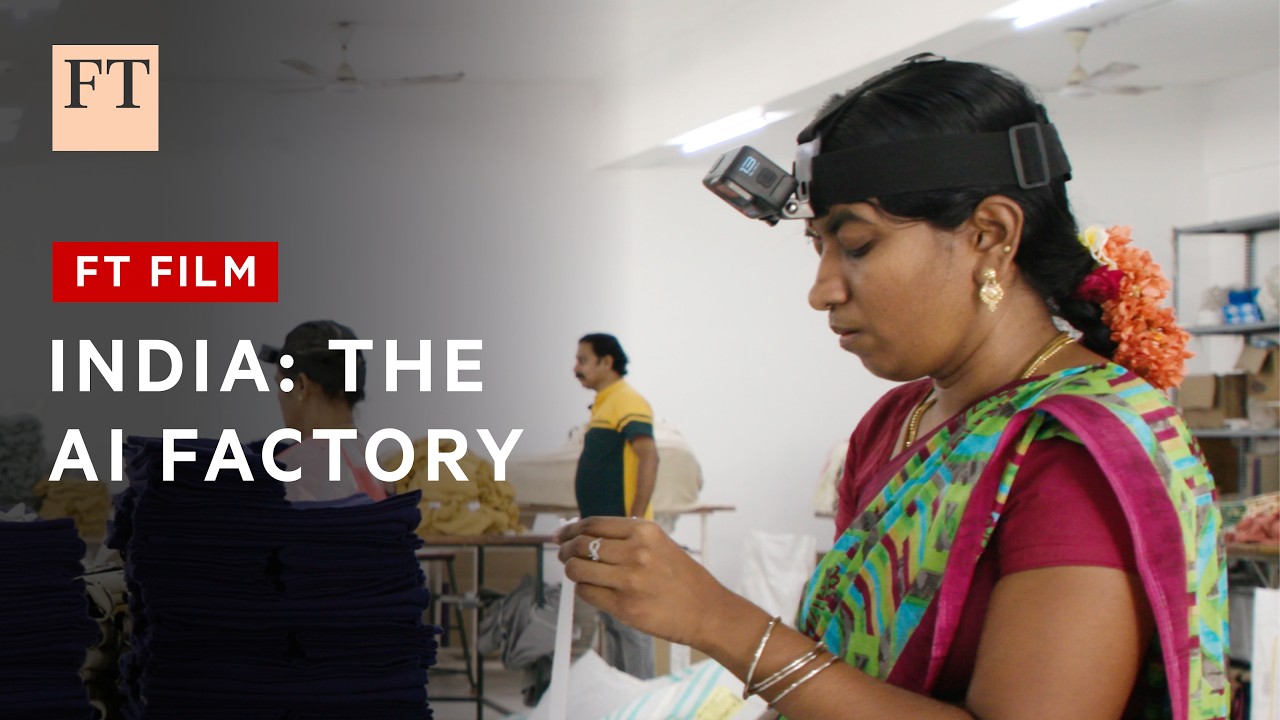
A significant portion of India’s AI-related work involves data annotation and robotics training, often carried out by workers in small towns and rural areas. These workers, including women who benefit from remote work opportunities, wear cameras and other devices to capture daily activities that train AI systems. While this creates income and job opportunities, it raises ethical concerns about exploitation and the extractive nature of this labor, as well as the potential for AI to eventually replace these workers. The video emphasizes the tension between economic necessity and the risks of becoming mere data suppliers for foreign companies.
India’s tech industry, centered in cities like Bangalore, Delhi, and Mumbai, has long been a global leader in IT services and outsourcing. However, the rise of AI poses a significant threat to this dominance, as many routine and repetitive tasks traditionally outsourced to India can now be automated. The industry faces pressure to innovate and invest in AI research and development, but private sector investment remains limited. Despite these challenges, some experts believe India could emerge as a major player in AI adoption and integration, leveraging its vast talent pool and English language advantage.
The video also highlights success stories of AI application in Indian-based global companies, such as Tesco’s use of AI for supply chain optimization and personalized customer experiences. These examples demonstrate how AI can enhance business operations and create new efficiencies. However, the broader picture remains complex, with India striving to balance its role as a global AI labor hub with ambitions to develop indigenous AI technologies and products. The country faces competition from nations investing heavily in hardware and innovation, such as Taiwan and South Korea.
Ultimately, the video portrays India as a country at a crossroads in the AI era. With a young, adaptable population and a large pool of skilled workers, India has the potential to become the “AI factory of the world.” Yet, this potential is tempered by concerns over job displacement, exploitation, and the need for greater investment in innovation. The future of AI in India will depend on how well the country can harness its human capital, foster homegrown AI development, and navigate the complex dynamics of global tech power and economic sovereignty.