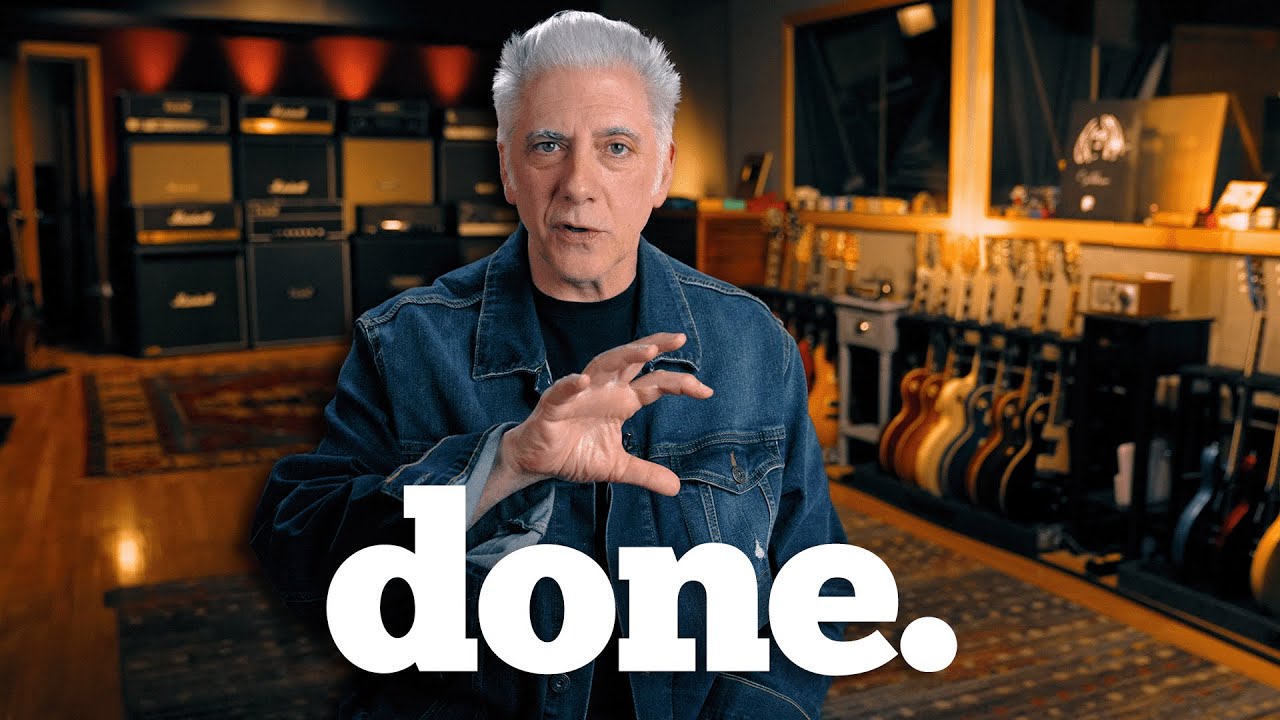
In this video, Rick Beato discusses who he believes has already won the AI music race and why. He begins by highlighting the current landscape of popular music apps, noting that Spotify and YouTube Music dominate, followed by Shazam, and then AI music apps. Recently, major music companies like Universal Music Group (UMG) and Warner Music Group have partnered with AI music platforms—UMG with UDO and Warner with Sunno—to create licensed AI music services. These platforms will allow users to create music in the style of popular artists while ensuring revenue flows to artists and songwriters, although much of the money will likely go to the labels.
Rick points out that Sunno is significantly more popular than UDO, as evidenced by the number of app store reviews—Sunno has over 141,000 reviews compared to UDO’s 12,000. He attributes Sunno’s success to its ease of use and accessibility, which appeals not only to professional songwriters but also to everyday users. Many songwriters use AI tools like Sunno, Claude, Gemini, and ChatGPT to generate ideas, melodies, and professional-sounding demos, which they then pitch to real artists. This democratization of music creation is changing how demos are made, especially in places like Nashville.
A recent feature called Hooks, launched by Sunno, allows users to pair short video clips with AI-generated songs to create and share music-focused content, similar to TikTok. Although Rick’s daughter found it less exciting than TikTok, the platform is gaining traction as a social media space for musicians to promote their AI-created music legally and without fear of takedowns. Users can create songs using AI versions of famous artists like Drake, Ed Sheeran, and Bruno Mars, and these AI-generated tracks are expected to become mainstream on platforms like Spotify and Apple Music.
Rick emphasizes that the AI music race is largely about the attention economy, where licensed AI music platforms are already thriving. He shares anecdotes from people who have benefited from these tools, including an older poet who finally found a way to turn his songs into music. According to a Wall Street Journal article, Sunno has raised $250 million and reportedly generates $200 million in annual revenue, underscoring its commercial success. Rick believes Sunno has effectively won the AI music race by creating the most viable and user-friendly platform.
Finally, Rick reflects on why specialized AI music companies are more likely to succeed than broader AI projects aiming for artificial general intelligence (AGI). These music-focused platforms require less massive infrastructure and investment because they concentrate on a single domain—music. He concludes by stating that AI systems are essentially pattern recognizers that remix existing data and cannot create beyond what they have been trained on. While AI can assist in music creation, it will never replace the originality of legendary artists like Bach, Coltrane, or The Beatles. Rick invites viewers to share their thoughts and engage with his channel.