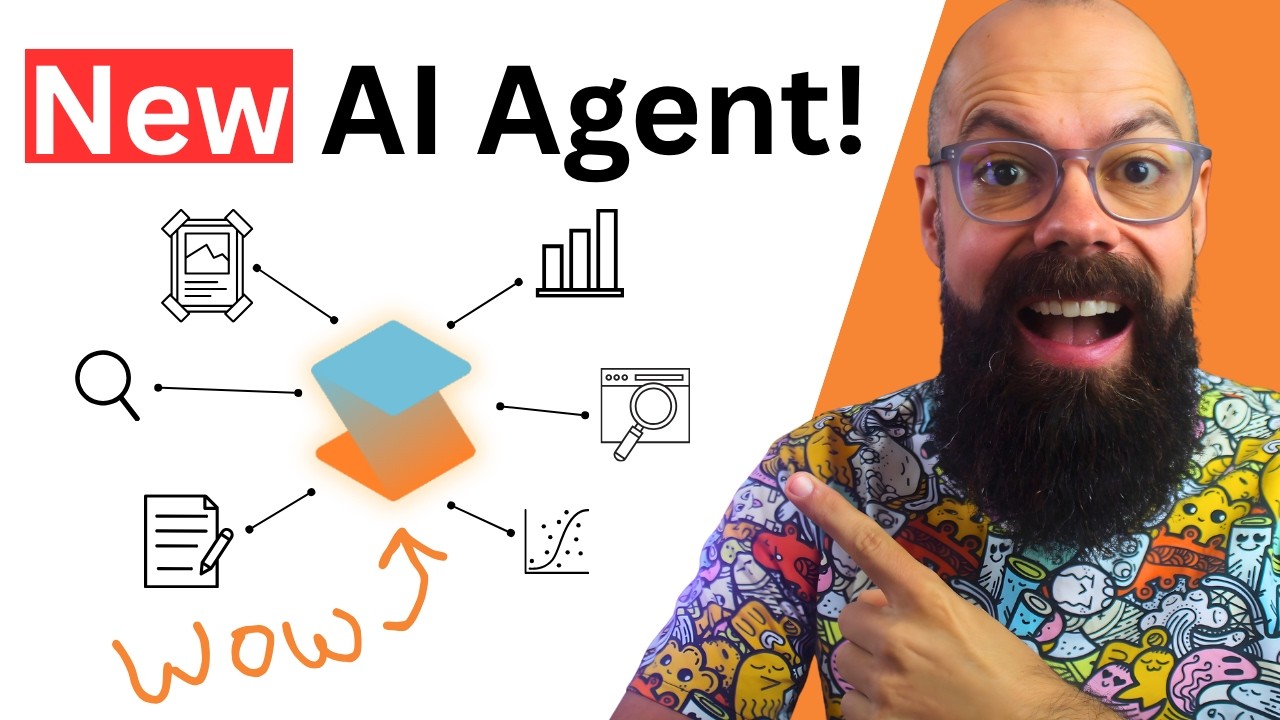
The video introduces a powerful new AI agent from SciAce that consolidates the functionality of 150 different research tools into a single platform. This AI agent streamlines the research process by enabling users to perform literature reviews, draft manuscripts, create visuals such as posters and PowerPoint presentations, and even find and plot real data—all through a single prompt. The agent intelligently breaks down complex tasks into manageable steps, making it easier to handle workflows that would otherwise require juggling multiple applications.
One of the standout features demonstrated is the agent’s ability to conduct comprehensive literature searches. For example, the presenter asks it to find recent studies on nanocomposite electrode materials, remove duplicates, list the most cited papers, and provide summaries. The agent efficiently compiles over 500 papers, generates abstracts, and even offers concise summaries, showcasing its capacity to handle large volumes of information and present it in an organized, accessible format. Users can also customize outputs by adding columns and other details, enhancing the depth of their research.
The AI agent excels in visual content creation as well. The presenter tests it by asking to build a conference poster from an old research paper, including key figures and bullet points. While the design is not perfect, the agent successfully extracts relevant figures and organizes content logically, including sections like acknowledgments and conclusions. This capability extends to generating interactive charts and maps based on real data, such as publication trends in perovskite solar cells or dinosaur field study locations in Africa. The agent produces HTML files that can be rendered into interactive visuals, providing researchers with dynamic tools for data presentation.
Beyond literature and visuals, the agent can assist with writing tasks such as drafting background and literature review sections for grant proposals. Although the outputs are not flawless, they offer a strong starting point and include references for further verification. This versatility makes the AI agent a valuable assistant for various stages of the research process, from initial data gathering to final presentation and grant writing. The presenter encourages viewers to experiment with the tool to explore its full potential.
Finally, the video highlights SciAce’s advancements in AI detection technology tailored for scientific writing. Their AI detector outperforms competitors like GPTZero, QuillBot, and Grammarly in identifying AI-generated content within research papers, achieving a high success rate even against challenging models. This tool is particularly useful for verifying the authenticity of scientific documents and ensuring transparency in research authorship. Overall, the SciAce AI agent and its associated tools represent a significant leap forward in integrating AI into scientific workflows, making research more efficient and accessible.