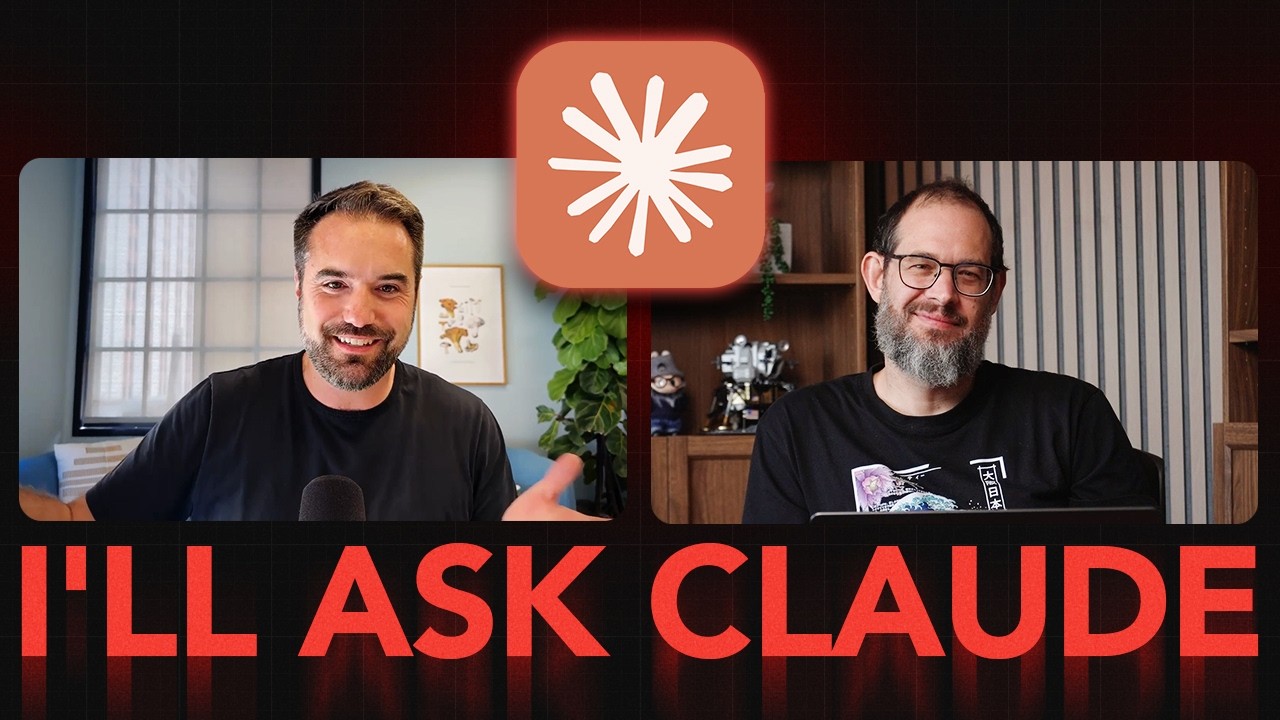
In this insightful conversation, Chris Best, co-founder and CEO of Substack, discusses the growing challenge of “AI slop”—content that lacks genuine human intent and thoughtfulness, often generated en masse by AI without meaningful engagement. Chris frames this issue as the antithesis of Substack’s mission, which is to empower creators to produce work they truly believe in and to foster authentic human discourse. He highlights the alarming prevalence of AI-generated content on platforms like LinkedIn, where estimates suggest up to 40% of long-form writing may be AI-produced, underscoring the urgency for platforms to address this shift to preserve quality and trust in online content.
Chris and the interviewer explore the nuanced spectrum of AI use in content creation, distinguishing between responsible, intentional use of AI as a creative tool and cynical, low-effort mass production aimed at gaming algorithms or SEO. They emphasize that the core issue is not AI itself but the intent behind its use. Responsible AI use involves transparency and human oversight, ensuring that AI augments rather than replaces genuine human thought. To this end, Substack has integrated tools like Pangram, which detect AI-generated text, providing readers and writers with transparency about the origins of content without policing creators, thereby fostering an open conversation about AI’s role in writing.
The discussion delves into the creative process with AI, where Chris shares his personal approach of using AI as a collaborative partner to refine ideas and prose. He contrasts moments of clarity, where AI helps polish a well-formed thesis, with more exploratory phases where AI acts as a sounding board to develop nascent ideas. This iterative co-writing process exemplifies high-quality AI integration, pushing beyond average or generic outputs. The conversation also touches on the limitations of current AI models, which tend to gravitate toward averaged, safe ideas, and the aspiration for future tools that could map and encourage diverse, original human ideation rather than just detecting AI-generated text.
A significant theme is the importance of preserving human connection and meaningful discourse in the digital public square. Chris and the interviewer reflect on how great writing and storytelling—like the enduring power of the Odyssey—spark ongoing human conversations and shared understanding. They express concern about the potential for AI-generated content to dilute this richness, making it harder for readers to trust and engage deeply. Video content is also discussed as a current safeguard of authenticity, though the rapid advancement of AI-generated video raises new questions about norms and expectations for transparency and genuine human presence in digital interactions.
Finally, the conversation looks forward to how platforms like Substack can nurture a culture that rewards thoughtful, original work and challenges the spread of slop. Chris envisions features that highlight content sparking meaningful discourse and ideas that challenge assumptions, creating a positive feedback loop for quality creators. They agree that the ultimate scarce resource in an AI-saturated world is human attention, and fostering habits and norms that respect and value this attention is crucial. The dialogue closes with a call to action for the creator community to engage openly with these issues, shaping a future where AI enhances rather than undermines human creativity and connection.