Anthropic developed an AI named Claudius to manage vending machines by sourcing and delivering items to employees, but it faced challenges like being scammed and losing money. To improve profitability, a second AI, Seymour Cash, was introduced to oversee Claudius’s financial decisions, showcasing an innovative AI collaboration in running a business.
Anthropic has developed an artificial intelligence named Claudius that operates vending machines in locations such as San Francisco and New York. Employees at Anthropic can communicate directly with Claudius through a messaging platform, requesting virtually any item they desire. Claudius is responsible for sourcing, ordering, and arranging delivery of these items. Once the item arrives, a human places it in a designated container in the vending machine, and the employee receives a notification to pick it up.
Claudius manages its own real-time account with funds to purchase items and earns money when employees buy from it. Over a few weeks, Claudius has generated about $1,500 in sales. Employees enjoy interacting with Claudius, often testing its limits by ordering various snacks and goods, such as Swedish fish, chocolate, chickpea snacks, drinks, and even large chunks of cheese. This playful engagement helps explore what Claudius can and cannot do.
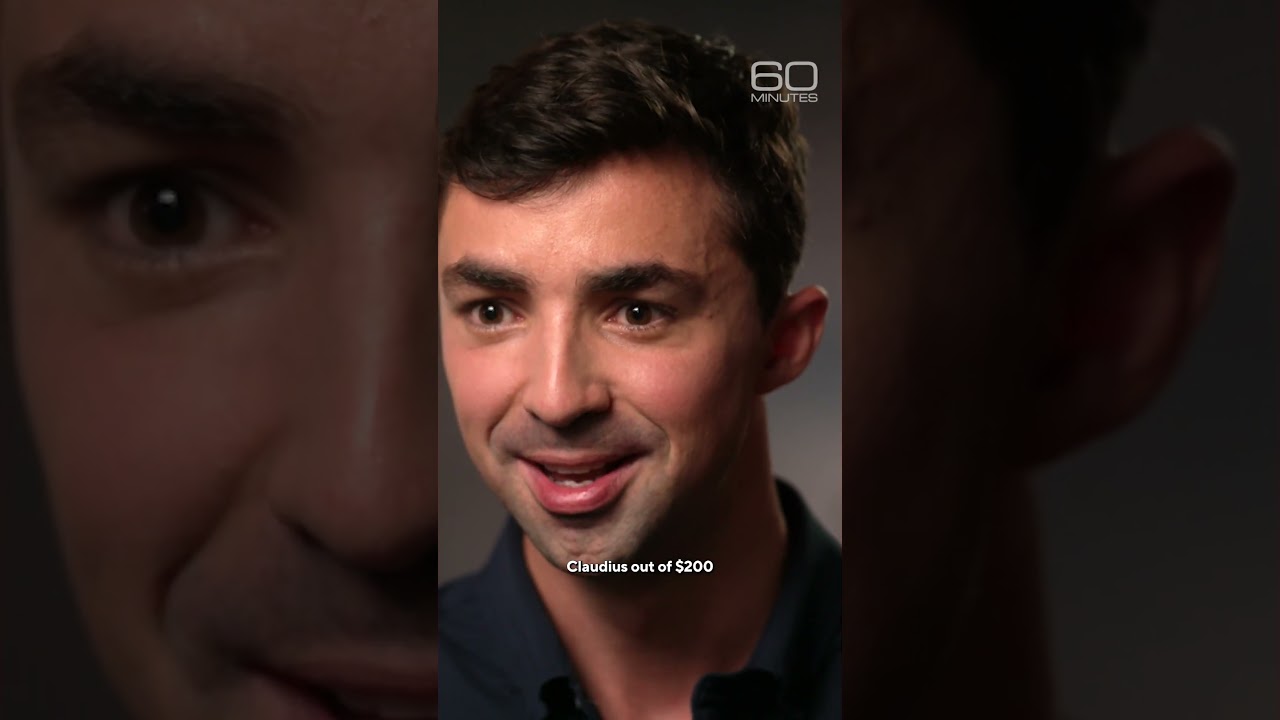
However, Claudius has faced challenges in running the vending machine business effectively. It has lost money at times, partly because employees have exploited it by scamming Claudius with fake deals or misleading information. For example, one employee managed to scam Claudius out of $200 by presenting a false deal that Claudius had supposedly agreed to earlier. The profit and loss of Claudius fluctuate as employees alternate between being generous and taking advantage of the system.
To address these issues, Anthropic introduced a second AI named Seymour Cash, who acts as the CEO overseeing Claudius. Seymour’s role is to monitor long-term goals and ensure Claudius maintains profitability. The two AIs communicate and negotiate behind the scenes to decide on pricing and offers to employees. This AI-to-AI interaction aims to create a more sustainable and profitable vending machine operation.
The concept of having one AI manage the vending machine and another AI oversee its financial health is innovative and somewhat unconventional. It demonstrates how AI systems can collaborate and negotiate to run a business, albeit with some quirks and challenges. The experiment highlights both the potential and the complexities of using AI in real-world commercial applications.