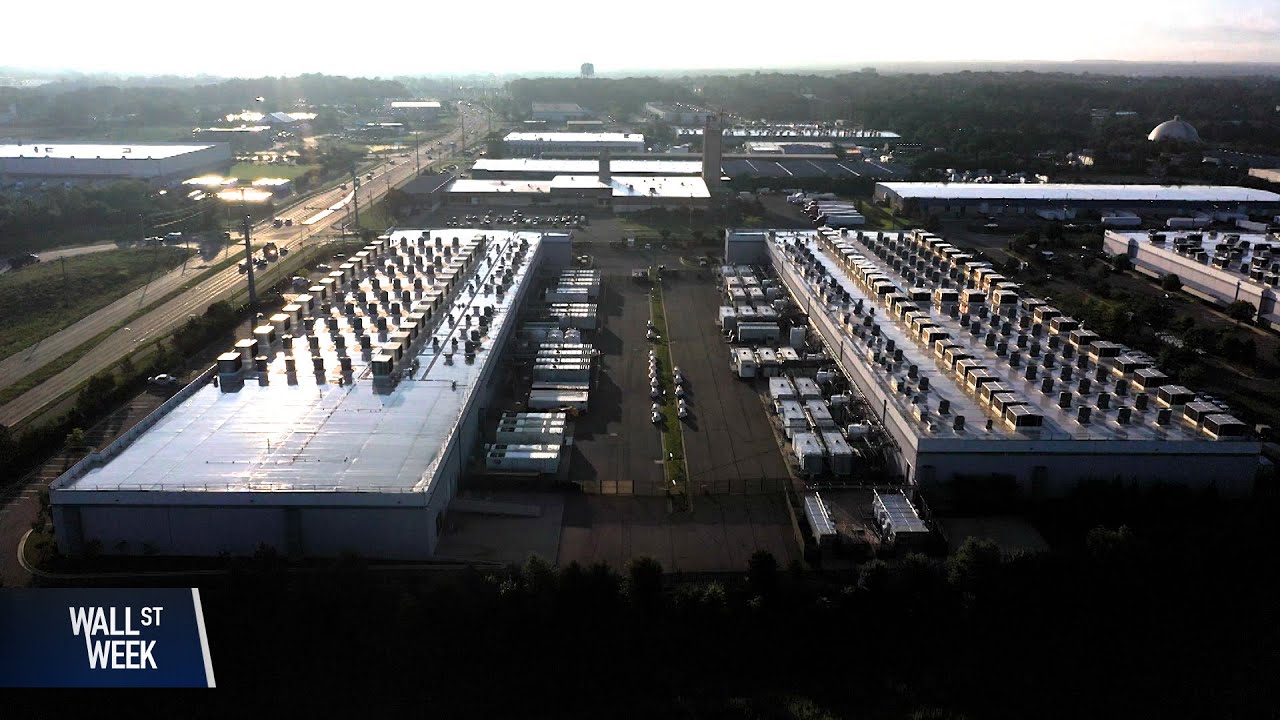
The video explores the complex challenges small towns face in accommodating the growing demand for data centers essential to powering artificial intelligence (AI). Warrenton, Virginia, a quaint town of 10,000 residents, serves as a case study. While AI promises increased productivity and advancements in fields like drug discovery, the infrastructure required—particularly data centers—poses significant local concerns. Amazon’s plan to build a large data center on a 42-acre site in Warrenton sparked controversy, highlighting the tension between economic benefits and community impact.
Data centers require massive amounts of power, which has become a critical bottleneck in their development. The town’s aging infrastructure and limited resources make it difficult to support such energy-intensive facilities. Residents and local officials expressed frustration over a lack of transparency and felt sidelined in decision-making processes. The proposed data center would have brought substantial revenue, but the community’s concerns about noise, environmental impact, and the strain on local utilities led to widespread opposition, with nearly 2,400 residents voicing their disapproval compared to only 11 supporters.
The Warrenton City Council ultimately voted to ban data centers, reflecting the community’s resistance to the transformation such projects would bring. A major concern is the enormous energy consumption of modern data centers, which far exceeds that of earlier facilities. This demand puts pressure on local power grids and raises questions about sustainability and fairness, as energy costs could be passed on to residents. The industry faces a critical challenge in finding ways to supply reliable, clean, and affordable power without disrupting communities.
Innovative solutions like small modular nuclear reactors and on-site clean energy generation, such as those developed by Bloom Energy, offer potential paths forward. These technologies aim to provide efficient, quiet, and environmentally friendly power directly at data center sites, reducing reliance on traditional power grids and transmission lines. However, even these advancements may struggle to keep pace with the exponential growth in data center capacity driven by AI’s expanding needs.
The future of data centers in towns like Warrenton remains uncertain, with legal battles and community opposition shaping outcomes. While the transformative benefits of AI necessitate robust data infrastructure, balancing these needs with local interests is crucial. The video underscores the importance of transparent communication, sustainable energy solutions, and community engagement to ensure that data centers can coexist as welcomed neighbors rather than sources of conflict.