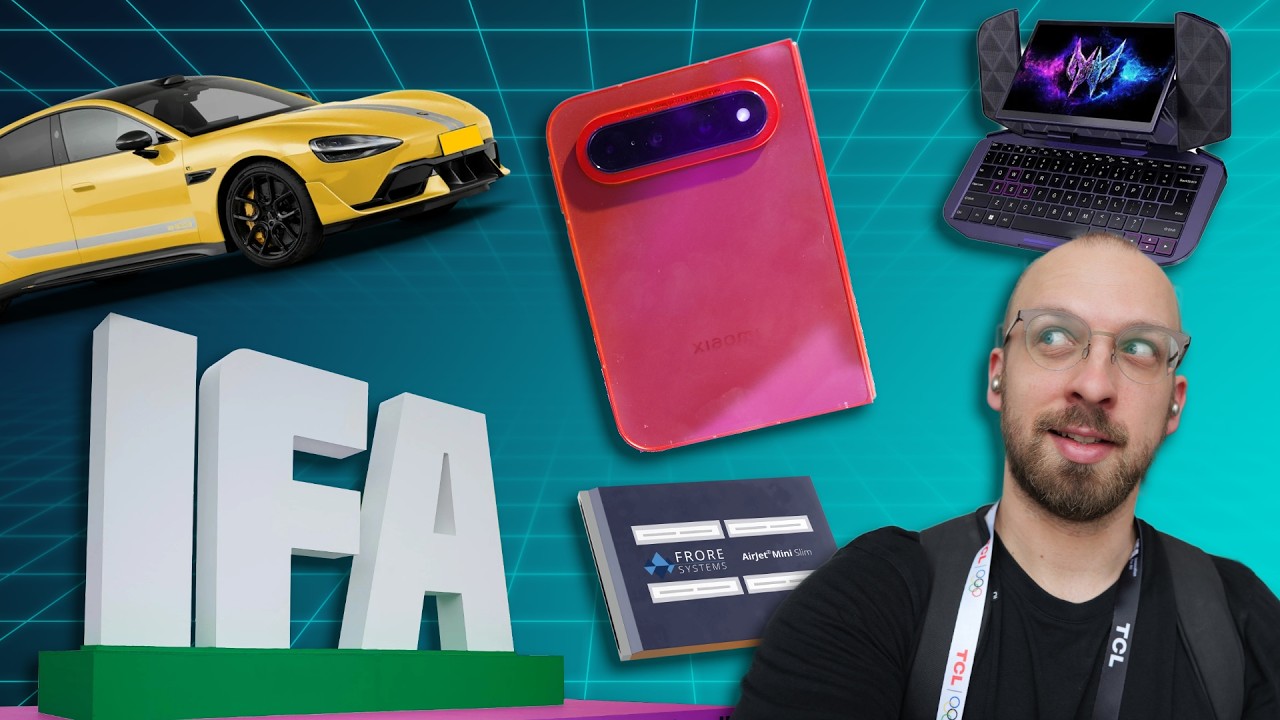
At IFA 2026, several exciting tech highlights emerged across phones, laptops, chips, and innovative gadgets. In the phone category, Xiaomi teased its 18 Fold with a widebody design and a new flagship chip, while TCL introduced the P80 Ultra, their first AMOLED next-paper phone featuring a triple camera system and a MediaTek chip, priced at €549. Techno showcased a bezel-less phone with a striking 3D patterned back, hinting at future design trends. Anker unified its five brands under one name and revealed a fabric printer capable of vibrant textile printing, the AI-powered Mindbase NAS for smart home management, and new audio products featuring their self-developed Thus chip, emphasizing improved microphone quality.
The PC segment saw major announcements, notably the arrival of Nvidia’s DJX Spark SoC combining a MediaTek CPU with a powerful Nvidia GPU, targeting high-end content creators and AI applications in Windows ARM devices. Snapdragon X2-based laptops from various manufacturers also debuted, alongside Intel’s Budget Lake Wildcat Lake processors aimed at competing with Apple’s MacBook Neo by balancing battery life and performance. Acer’s Vo 16 laptop promised repairability and upgradeability but fell short due to limited user-accessible parts and soldered components, causing some confusion about its true modularity. Lenovo impressed with a prototype laptop featuring airjet cooling technology, replacing traditional fans with tiny vibrating chips for efficient, low-power cooling in thin and light designs.
Xiaomi announced its entry into the European electric vehicle market, partnering with German car dealers to begin sales next year, though production and pricing details remain unclear. DJI unveiled the Romo P2 robot vacuum with significant upgrades including enhanced safety, offline operation, improved mobility with new legs and a swiveling arm, and quieter performance, albeit at a high price of €1,300 and lingering privacy concerns. Lifen showcased innovative personal care products such as the Wave Pro oscillating electric toothbrush and a budget variant, a high-speed hairdryer brand leading in sales, and an automatic curling iron, highlighting their focus on everyday beauty tech and expanding international presence.
BenQ introduced a premium light bar designed for iMacs, featuring an aluminum build, customizable illumination, and a magnetic cable attachment, priced at $189. Lenovo demonstrated a rollable display laptop prototype that expands the screen size at the press of a button, showing promise for future market release despite concerns about weight and screen durability. Their Gen 2 Yoga Tabs now include customizable colorful LED lights for notifications, potentially foreshadowing wider adoption of similar features across Android devices linked to Google’s Gemini AI platform.
Among the more unconventional concepts, Acer’s Project Duo Play revealed a thick handheld device that flips into a laptop with a keyboard on the reverse side, blending gaming and productivity in a novel form factor, though practicality and pricing remain uncertain. Acer also presented a triple-screen portable monitor prototype that unfolds to provide four displays via USB-C, but its lack of polish and inability to fold flat cast doubt on its readiness for market. Overall, IFA 2026 showcased a blend of cutting-edge innovation, practical upgrades, and quirky ideas, setting the stage for exciting tech developments ahead.