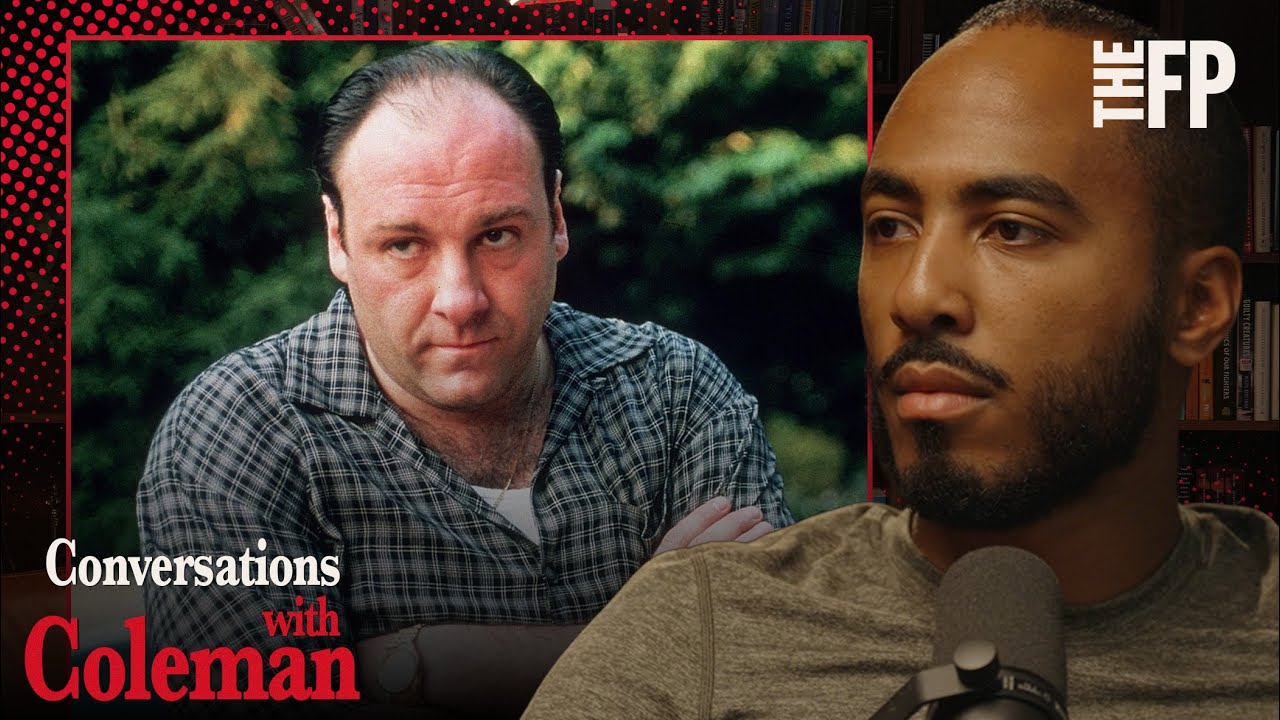
The video explores the complexities of writing flawed characters with bigoted views, emphasizing the importance of portraying them realistically without endorsing their beliefs, while highlighting the current publishing challenges posed by sensitivity readers and market pressures. It argues against sanitizing literature for social justice, advocating for authentic storytelling that reflects life’s imperfections and warns that rigid standards risk limiting artistic expression and narrative diversity.
The video discusses the challenges and considerations involved in writing flawed characters who hold bigoted views, such as racism, sexism, or homophobia. Using examples like Tony Soprano, a complex character who exhibits casual and violent bigotry yet remains central to the story, the conversation highlights how empathy and nuance are built around such characters to make the narrative compelling. The key point is that flawed characters can be portrayed realistically without endorsing their views, but this approach raises questions in today’s publishing climate.
In the current era, sensitivity readers and publishers often scrutinize books featuring bigoted characters, sometimes flagging language or behavior as problematic even when it is historically or contextually accurate. The video shares an anecdote about a literary agent who defended the inclusion of misogynistic language in a historical novel by emphasizing that it reflected the reality of the time period. However, there is tension between preserving authenticity and avoiding content that might alienate or upset readers, with some fearing backlash on social media platforms like Twitter and Goodreads.
Publishers are caught between artistic integrity and commercial concerns. While many acknowledge that having a misogynistic or racist character does not make a book itself misogynistic or racist, they worry about how isolated passages might be taken out of context and cause controversy that could harm sales. This leads to a cautious approach where flawed characters often need to face consequences or be countered within the narrative to satisfy both market demands and social expectations.
The video also contrasts this cautious approach with the appeal of novels featuring deeply flawed characters who do not receive comeuppance, such as “American Psycho” or “No Country for Old Men.” These works are praised for their aesthetic and realistic portrayal of the world, where bad behavior does not always lead to punishment or redemption. The speaker argues that literature should reflect the complexity and imperfections of real life rather than an idealized version where every wrongdoing is corrected.
Ultimately, the discussion critiques the growing pressure to sanitize literature and restrict artistic expression in the name of social justice. It warns that imposing rigid standards on how flawed characters are portrayed risks undermining the authenticity and diversity of storytelling. The speaker advocates for a broader understanding of art’s purpose, emphasizing that literature should challenge readers and depict the world as it is, not just as it ought to be, and cautions against equating disagreement with censorship as inherently racist or sexist.