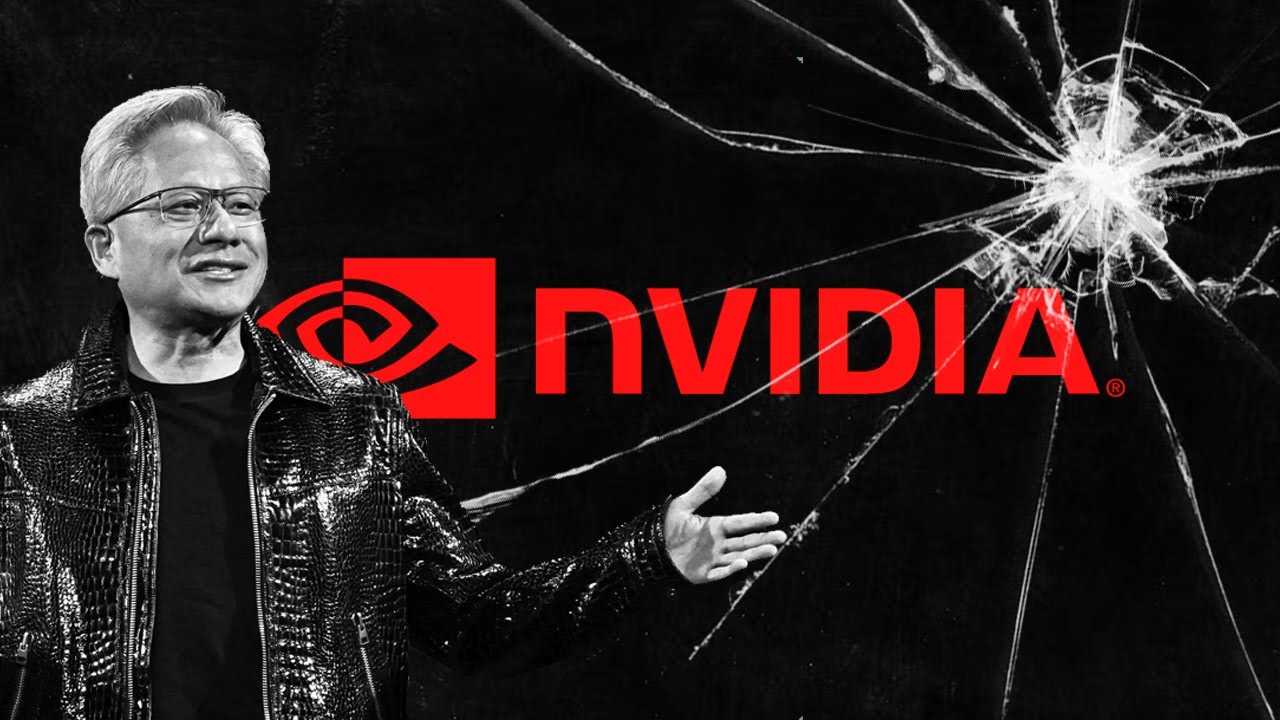
The video critiques Nvidia and its CEO Jensen Huang for their stance on artificial intelligence (AI) and the current AI industry bubble. The creator begins by referencing a previous video about Microsoft’s CEO Satya Nadella, who dismissed negative perceptions of AI as “slop.” The video argues that industry leaders like Nadella and Huang are either delusional about the societal benefits of AI or are intentionally prolonging a financial bubble for personal and corporate gain. The creator suggests that these leaders are out of touch with the real-world consequences of their technologies and are primarily motivated by profit and inflated corporate valuations.
Nvidia is highlighted as both the main beneficiary and benefactor of the AI boom, manufacturing GPUs that are in high demand by AI companies. The video describes a circular relationship where Nvidia sells hardware to AI companies, invests back into those same companies, and helps fuel an unsustainable financial bubble. The creator criticizes the utopian vision presented by Jensen Huang, who predicts a future dominated by automation and billions of robots, arguing that such ideas are paradoxical and disconnected from reality. The video mocks Huang’s dismissal of “doomer” narratives, suggesting that his real concern is the impact of criticism on Nvidia’s stock price and reputation.
The creator then examines the real-world applications of generative AI, focusing on the proliferation of low-quality, AI-generated content—referred to as “slop”—that is flooding the internet. While AI is capable of producing hyper-realistic media, the video warns that this technology is more often used for scams, identity theft, and deception than for any broadly beneficial purpose. The creator claims that the negative impacts of AI, such as the erosion of online trust and the spread of misinformation, far outweigh any potential benefits, and that tangible, positive use cases are rare or anecdotal at best.
A significant portion of the video is dedicated to exposing Nvidia’s alleged unethical practices, including a lawsuit accusing the company of training its AI models on pirated content from so-called “shadow libraries.” The creator points out the hypocrisy of AI companies that routinely scrape and steal content from creators, but are willing to pay for pirated data when it suits their needs. This behavior is presented as evidence that Nvidia and similar companies are not the benevolent innovators they claim to be, but rather profit-driven entities willing to bend ethical norms for financial gain.
In conclusion, the video argues that the AI industry is in the midst of a dangerous bubble, propped up by exaggerated promises and self-serving rhetoric from its leaders. The creator questions why, if AI is truly revolutionary and beneficial, its proponents are so defensive in the face of criticism. The video ends by labeling Nvidia as a delusional company led by a billionaire with grandiose ambitions, urging viewers to remain skeptical, question industry narratives, and be wary of the ongoing hype surrounding AI.